1 John 1:9, 2 Timothy 2:22, Romans 12:2, Isaiah 1:16-17, Proverbs 1:7, James 1:5
Therefore let us repent and pass from ignorance to knowledge, from foolishness to wisdom, from licentiousness to self-control, from injustice to righteousness, from godlessness to God.
Luke 4:21-30, Mark 6:1-6, Matthew 5:44, Colossians 3:12-13, James 4:11, 1 Peter 2:1, Romans 12:10
Contempt is so painful To be dismissed, disregarded Questioning instead of dignity Accusation instead of personhood I have felt its sting and hollowness As have you, my Jesus Help me hear the needed ...
Ephesians 4:31-32, Matthew 5:44, Colossians 3:12-13, James 4:11, 1 Peter 2:1, Romans 12:10
Contempt is so painful To be dismissed, disregarded Questioning instead of dignity Accusation instead of personhood I have felt its sting and hollowness As have you, my Jesus Help me hear the needed m...
Psalm 46:1, Philippians 4:19, James 4:8, Hebrews 4:16, Matthew 11:28-30, Psalm 34:18, 1 John 1:9
Dear Christ, hasten to me. Release me from my sins. Free my arms from the chains of evil, that I may embrace you. Lift the scales of ignorance from my eyes, that I may see you. Why do you delay? What ...
Matthew 25:40, Isaiah 58:10, Colossians 3:23-24, Proverbs 31:8-9, Micah 6:8, Galatians 6:9-10, James 2:45-17
O God, Father of us all, we praise you for so binding humanity together that we must each lean upon the strength and labor of others. We ask your blessing on all men and women who have worked to build...
Proverbs 1:5, Jeremiah 9:23-24, Matthew 11:25, James 1:21, Colossians 2:3, Matthew 18:3
Becoming a teachable person has two prerequisites: There must be a teacher and a person willing to be taught. Increasingly, Western culture has become an environment that celebrates and platforms the ...
Melville Weston Fuller (1833–1910), a prominent U.S. lawyer and Chief Justice of the Supreme Court (1888–1910), once presided over a church conference where a speaker passionately denounced higher edu...
2 Corinthians 10:1, Ephesians 4:2-3, Romans 12:3, Colossians 4:6, Matthew 23:11-12, Proverbs 11:2, James 1:19
In a statement created by Christian leaders across the world, the Lausanne Willowbank Report calls for church leaders to return to the humility and servanthood that Jesus manifested in His earthly min...
Romans 5:8, John 21:15-19, Jonah 3:4, Matthew 18:21-35, 2 Samuel 12:1-7, Romans 14:10-13, James 4:11-12
Judging others makes us blind, whereas love is illuminating. By judging others we blind ourselves to our own evil and to the grace which others are just as entitled to as we are.
Proverbs 3:5-6, Isaiah 55:8-9, James 4:6, Jeremiah 9:23-24, Romans 12:3, Matthew 23:1-12, Psalm 25:9, 1 Peter 5:5-6, Hebrews 4:16
All: Knowing God, we often believe our way is the best way. In our arrogance, we ignore your will and your ways. We confess our dependence on knowledge and our independence from you. Thank you that yo...
Matthew 4:10, James 4:7, 2 Corinthians 11:14, Ephesians 6:11-12, 1 Peter 5:8
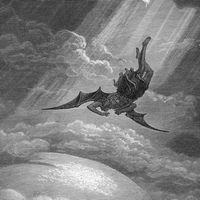
There are two equal and opposite errors into which our race can fall about the devils. One is to disbelieve in their existence. The other is to believe, and to feel an excessive and unhealthy interest...
At a dinner party, [The Scottish playwright George Bernard] Shaw sat next to a young man who proved to be a bore of historic proportions. After suffering through a seemingly interminable monologue, Sh...
Matthew 23:12, 1 Corinthians 8:2-3, James 4:6, Isaiah 5:21, Romans 12:3, Proverbs 18:2, Proverbs 15:33, Psalm 18:27
In her aptly title book, Being Wrong , Kathleen Schulz describes just how difficult it is to be wrong: A whole lot of us go through life assuming that we are basically right, basically all the ti...
James 4:13-15, John 9:41, Romans 11:33, Isaiah 55:8-9, Ecclesiastes 11:5, Job 38:2-4
“I know” seems to describe a state of affairs which guarantees what is known, guarantees it as a fact. One always forgets the expression, “I thought I knew.”
The search for knowledge can go wrong, not as a result of individual, erroneous judgments or of mistakes creeping in at different points, but because of one single mistake at the beginning… Faith does...
Galatians 5:14-15, John 8:32, Micah 6:8, 1 Corinthians 1:10, Matthew 7:3-5, Romans 12:2, James 3:17
People bind themselves into political teams that share moral narratives. Once they accept a particular narrative, they become blind to alternative moral worlds.
Proverbs 16:18, Proverbs 11:2, James 4:6, 1 Peter 5:5-6, Philippians 2:3-4, Luke 18:9-14, Matthew 23:1-12
In his thoughtful book, Our Good Crisis: Overcoming Moral Chaos with the Beatitudes , Jonathan K. Dodson points out our blind-spots with respect to pride: We rarely think of ourselves as proud. I...
Matthew 11:29, Galatians 5:16-17, 1 Peter 3:9, James 1:19-20, Romans 12:19
A person who suffers bitterly when slighted or insulted should recognize from this that he still harbors the ancient serpent in his breast. If he quietly endures the insult or responds with great humi...
Proverbs 18:21, Numbers 13:31-33, Deuteronomy 1:28, James 3:5-6, Exodus 14:12
Learned Helplessness can be easily seen in a research study when participants are given a math test. In this study, some participants are told, “men don’t tend to do well on this test,” or “Millennia...
Many of life’s annoyances just have to be ignored. That doesn’t mean that we suppress, ignore, or deny every pain. Serious pain has to be confronted. But one mark of resilience is learning to tell whi...
James 1:27, Romans 12:17-19, Zechariah 7:9-10, Psalm 82:3-4, Proverbs 21:3
In his 2008 book, Just Courage, Gary Haugen, a lawyer by training, describes an interesting legal precedent known as “void for vaugeness.” Haugen used the precedent to illustrate how vague ideas of Bi...
Genesis 15:1-6, Exodus 14:10-14, Joshua 1:9, Psalm 23:, James 2:14-26
There’s no shortage of the religiously faithless who seem eager to tell us what faith is. Many of these characterizations of faith are reminiscent of Mark Twain’s precocious schoolboy who quipped, “Fa...
Exodus 32:null, 1 Timothy 4:16, 1 John 4:1-4, 2 Corinthians 11:14-15, Proverbs 3:5-6, Matthew 7:1-2, James 1:19
On a cold January day, a forty-three-year-old man was sworn in as the chief executive of his country. By his side stood his predecessor, a famous general who, fifteen years earlier, had commanded his ...