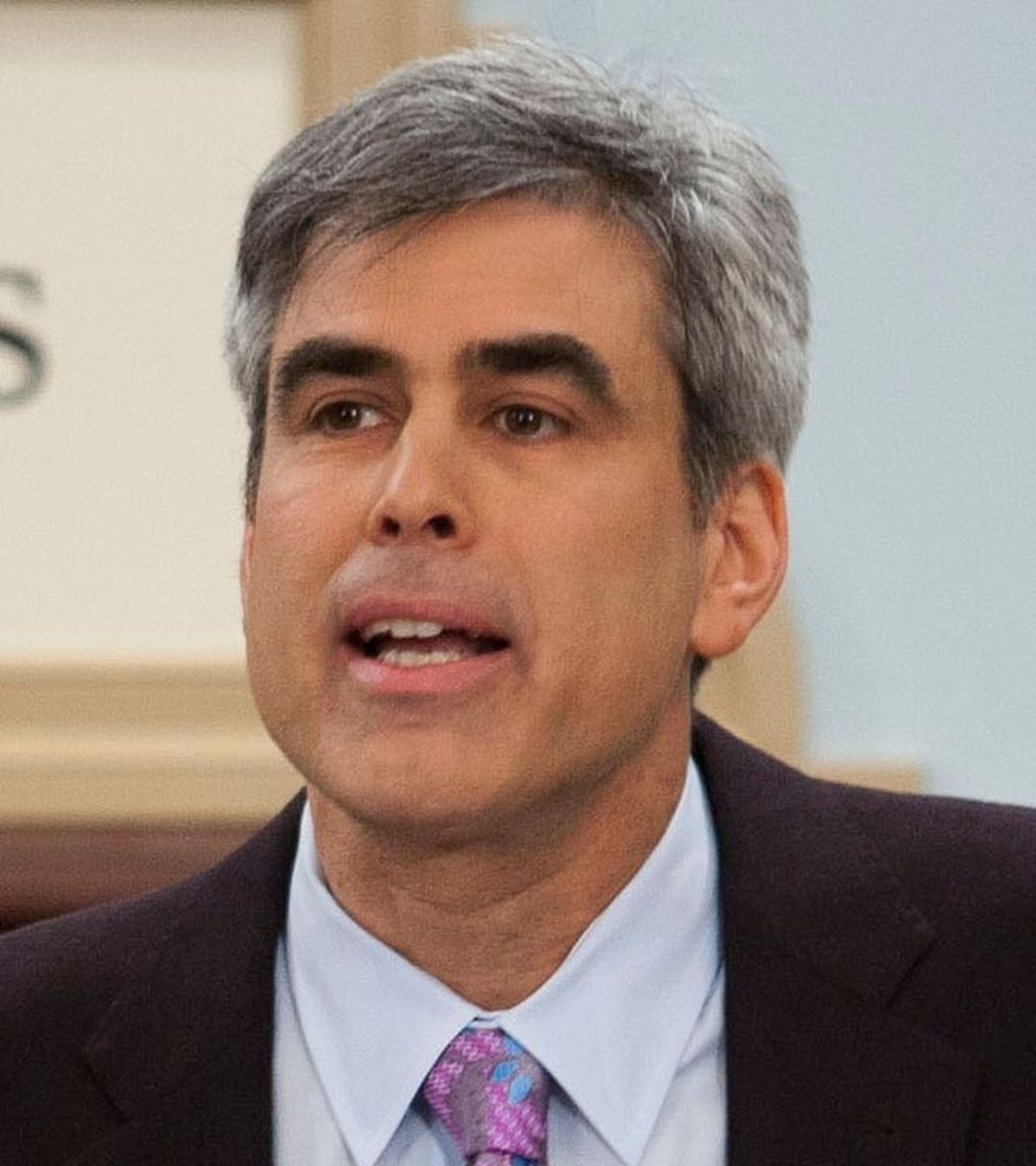
Jonathan Haidt
Jonathan Haidt is a prominent social psychologist, author, and professor known for his groundbreaking work on the intersections of morality, culture, and politics. His research has had a profound influence on how we understand human behavior, particularly in relation to moral values, societal division, and the role of culture in shaping our beliefs. Haidt is currently a professor of Ethical Leadership at New York University's Stern School of Business, and his work often bridges psychology, philosophy, and political science.
Haidt’s best-known book, The Righteous Mind: Why Good People Are Divided by Politics and Religion (2012), explores the psychological underpinnings of moral judgment and political division. In it, he argues that humans are deeply moral beings whose political and religious beliefs are often shaped by intuitive, emotional responses rather than rational analysis. He highlights how differences in moral values can lead to misunderstanding and polarization, offering insights into how people can better engage across political divides. The book was widely praised for its insightful analysis and has been influential in discussions on politics, culture, and human behavior.
Haidt’s earlier work, including The Happiness Hypothesis: Finding Modern Truth in Ancient Wisdom (2006), examined the nature of happiness and well-being, drawing on both psychological research and ancient wisdom traditions. His academic work focuses on understanding the social and cultural factors that influence moral judgment, social cooperation, and the dynamics of societal change.
In addition to his books, Haidt has written for numerous outlets, including The New York Times, The Wall Street Journal, and The Atlantic. He is also a co-founder of the Heterodox Academy, an organization aimed at promoting viewpoint diversity and constructive debate in academic environments.
Haidt’s work continues to shape public discourse on morality, politics, and human behavior, encouraging a more empathetic and nuanced understanding of societal challenges.