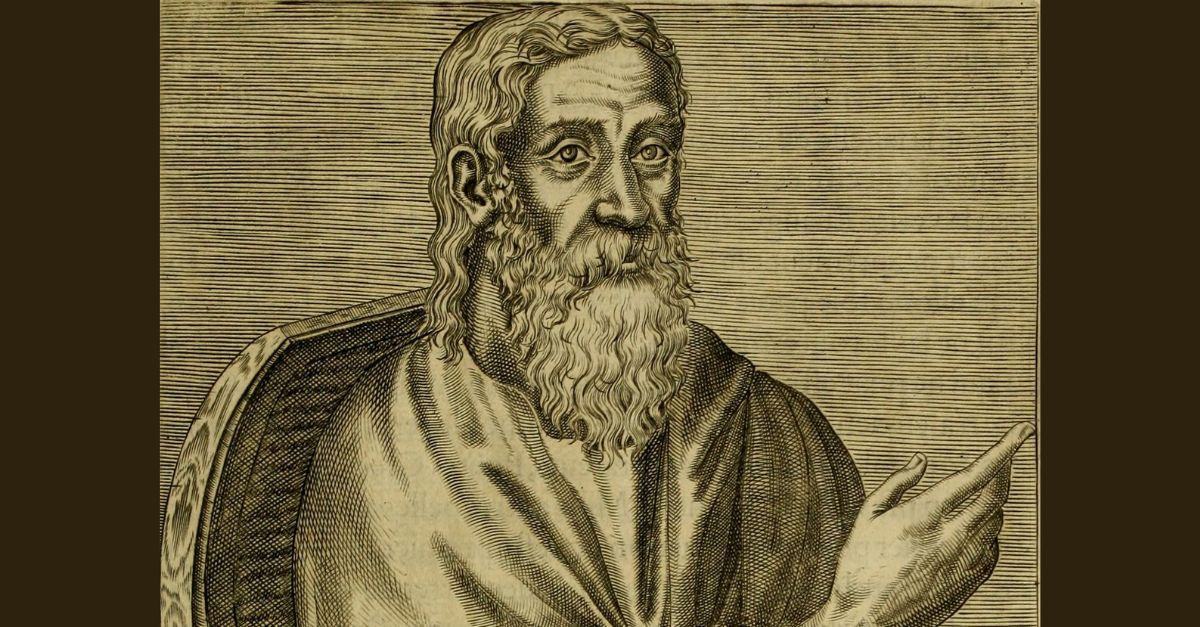
Clement of Alexandria
Clement of Alexandria (circa 150–215 AD) was an early Christian theologian, philosopher, and one of the most influential figures in the development of Christian thought in the late 2nd and early 3rd centuries. Born in Athens, Greece, Clement became a prominent scholar and teacher, later moving to Alexandria, Egypt, where he served as the head of the catechetical school. His intellectual background combined both Greek philosophy and Christian theology, and he sought to reconcile the teachings of the ancient philosophers with the truths of Christianity.
Clement’s works were central in articulating an early Christian worldview that engaged with classical philosophy while emphasizing the importance of Scripture and divine revelation. His most famous writings include "Exhortation to the Greeks", "The Instructor", and "Stromata", where he explored topics ranging from ethics and spiritual growth to the relationship between faith and reason. Clement believed that faith and knowledge were not in conflict, and he advocated for a deeper understanding of Christianity through philosophical inquiry.
One of Clement’s key contributions was his development of the idea of gnosis (knowledge), but unlike Gnostic sects of his time, he saw Christian knowledge as rooted in divine truth revealed through Christ, rather than secret, hidden knowledge. His views on Christian ethics and the pursuit of virtue emphasized the inner transformation of the believer, urging Christians to live in harmony with God's will and the teachings of Jesus.
Clement also played a pivotal role in defending Christianity against pagan philosophers and critics, seeking to present the faith as intellectually credible and compatible with the broader philosophical traditions. While his work was not universally accepted by later Christian thinkers, Clement's synthesis of Greek philosophy and Christian doctrine had a lasting impact on Christian thought.
Clement of Alexandria’s legacy endures as one of the key early Christian thinkers who helped lay the foundation for the development of Christian theology in the centuries that followed.