Dietrich Bonhoeffer
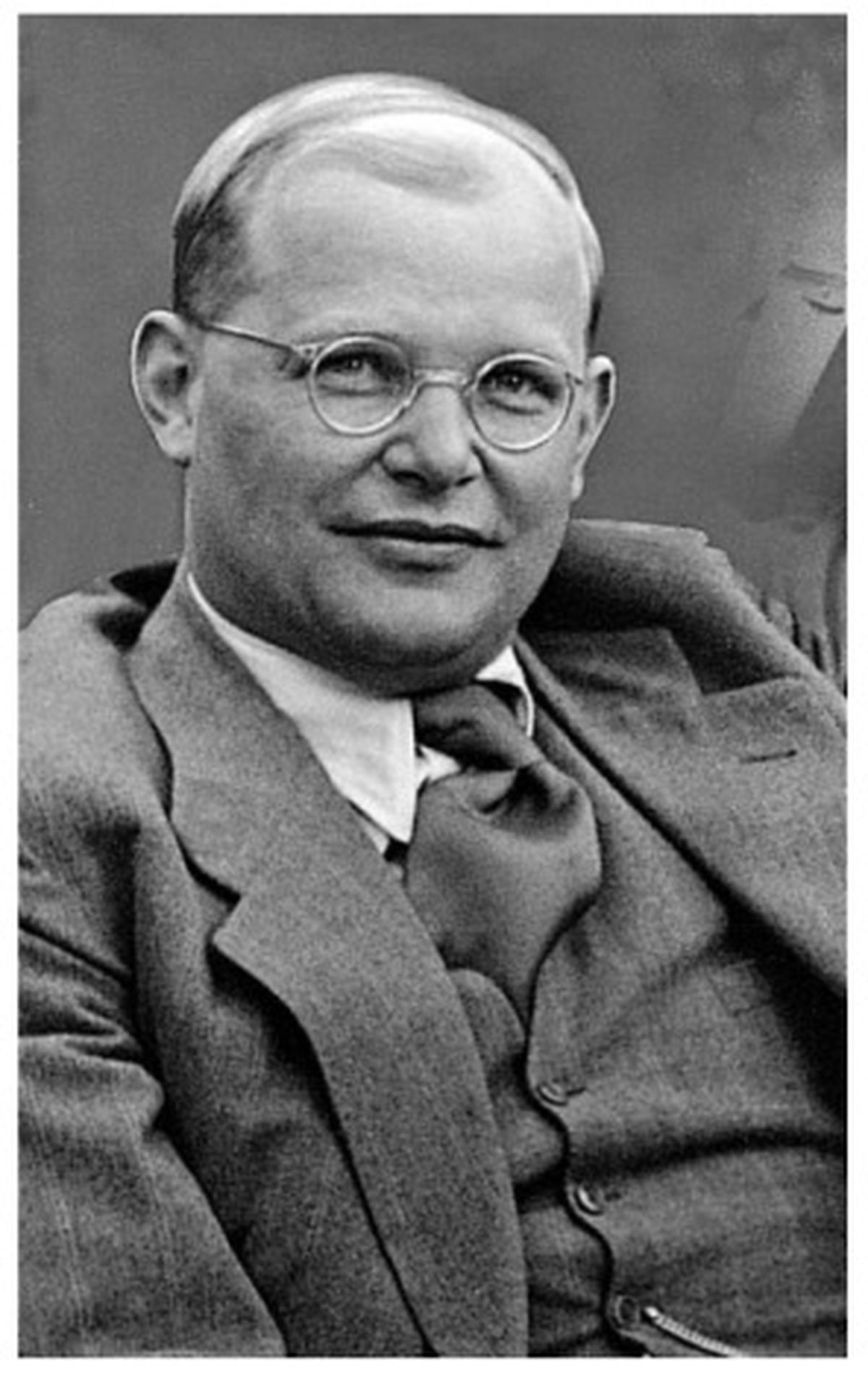
Dietrich Bonhoeffer (1906–1945) was a German Lutheran pastor, theologian, and anti-Nazi dissident whose legacy has deeply influenced Christian thought, ethics, and resistance to injustice. Bonhoeffer was a key figure in the Confessing Church, a group of German Christians who resisted Nazi ideology and its influence over the church. He actively opposed Adolf Hitler’s policies, including the persecution of Jews, and was a vocal critic of the Nazi regime's attempts to control Christian teaching.
Bonhoeffer’s theological writings, including The Cost of Discipleship and Life Together, have had a lasting impact on Christian spirituality and ethics. In The Cost of Discipleship, he challenged Christians to live out the radical implications of Jesus’ teachings, emphasizing that true discipleship requires sacrifice and a commitment to follow Christ at all costs. Life Together, a work that reflects on the nature of Christian community, underscores the importance of shared life in faith, prayer, and mutual support among believers.
In addition to his theological contributions, Bonhoeffer was known for his courageous resistance against the Nazi regime. He was involved in a plot to assassinate Adolf Hitler and was arrested in 1943 for his participation. Despite the dangers of opposing the Nazi government, Bonhoeffer remained committed to his moral convictions, even at the cost of his own life. He was executed in 1945, just weeks before the end of World War II.
Bonhoeffer’s legacy endures through his writings and his example of standing firm in faith, even in the face of severe opposition. His reflections on the relationship between faith and action, the call to resist injustice, and the cost of discipleship continue to inspire Christians and people of conscience worldwide.