Blaise Pascal
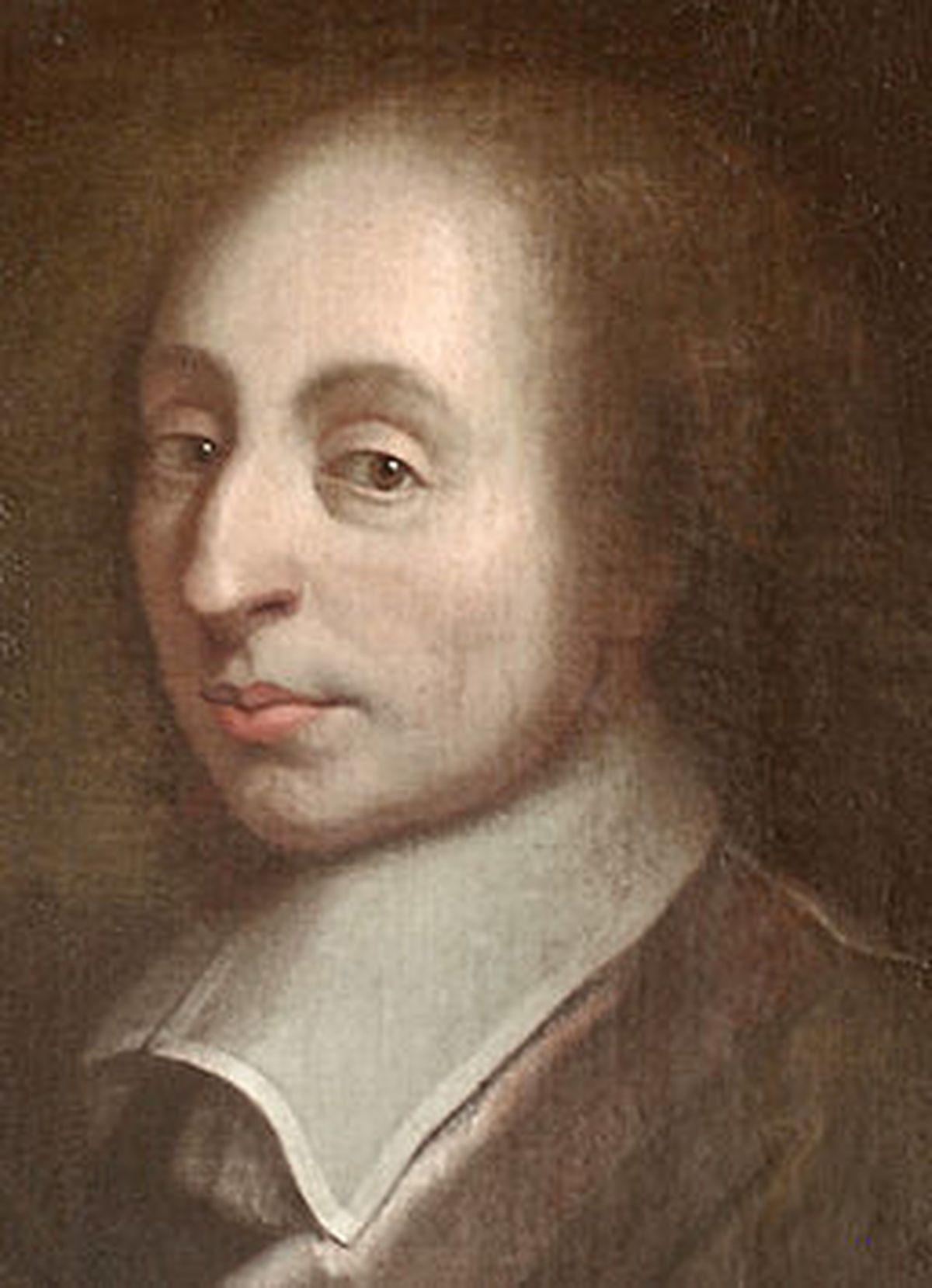
Blaise Pascal (1623–1662) was a brilliant French mathematician, physicist, inventor, writer, and philosopher whose profound contributions spanned both the scientific and philosophical realms. Born on June 19, 1623, in Clermont-Ferrand, France, Pascal displayed extraordinary intellectual gifts from a young age. His father, Étienne Pascal, encouraged his education, fostering Blaise’s talent for mathematics and science.
In mathematics, Pascal was a pioneer, co-founding probability theory with Pierre de Fermat, a field that has had far-reaching implications in economics, statistics, and risk assessment. He also made significant contributions to geometry and calculus, influencing future generations of mathematicians. At the age of 19, he invented the Pascaline, one of the world’s first mechanical calculators, designed to assist his father with tax calculations.
Pascal’s work in physics was equally groundbreaking. He conducted pivotal experiments on fluid dynamics and pressure, leading to the formulation of Pascal’s Law, which describes the behavior of fluids at rest and has applications in hydraulics and engineering.
Pascal’s later life was marked by a profound spiritual awakening, leading him to embrace Jansenism, a movement within Catholicism. His deepening faith inspired his Pensées ("Thoughts"), an unfinished collection of notes that explore the human condition, the nature of faith, and the existence of God. His famous “Wager” posits that rational individuals should believe in God, as the potential gain far outweighs the risk of disbelief.
Despite his relatively short life, Pascal’s legacy is monumental. He bridged the worlds of science and faith, demonstrating that rigorous intellectual inquiry and spiritual reflection are not mutually exclusive. His contributions continue to influence mathematics, philosophy, theology, and science, securing his place as one of history’s most extraordinary thinkers. Pascal died on August 19, 1662, at the age of 39, leaving an enduring mark on both disciplines.