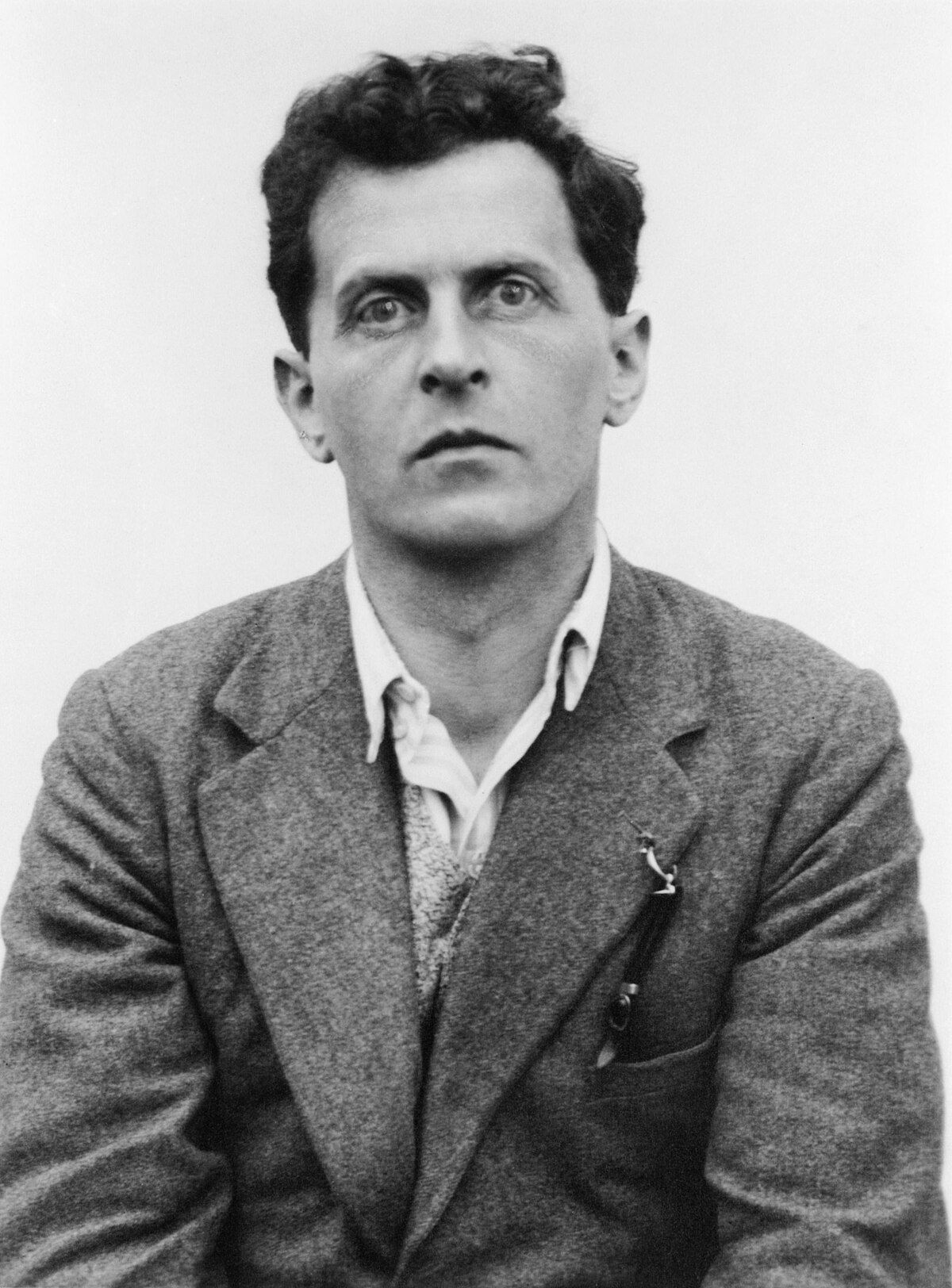
Ludwig Wittgenstein
Ludwig Wittgenstein (1889–1951) was an Austrian-British philosopher who is widely regarded as one of the most influential thinkers of the 20th century. His work, particularly in the philosophy of language, logic, and mind, has had a profound impact on various fields, including philosophy, linguistics, and cognitive science.
Born into a wealthy family in Vienna, Wittgenstein initially studied engineering before turning to philosophy. He studied at the University of Cambridge under the guidance of Bertrand Russell, where his groundbreaking ideas on logic and language began to take shape. His first major work, Tractatus Logico-Philosophicus (1921), sought to define the limits of language and knowledge. Wittgenstein argued that the structure of language reflects the structure of reality, and that many philosophical problems arise from misunderstandings of language. His ideas influenced logical positivism and analytic philosophy, though he would later abandon many of the views expressed in the Tractatus.
In the later part of his career, Wittgenstein shifted his focus to the ordinary use of language, producing his second major work, Philosophical Investigations (published posthumously in 1953). In this work, he explored how language functions in everyday life, emphasizing that meaning is rooted in the practical use of words rather than abstract definitions. His later philosophy became known for its emphasis on language games, the idea that words acquire meaning through their use in specific social contexts.
Wittgenstein's work challenged the traditional boundaries of philosophy, and he remains a central figure in contemporary debates about meaning, language, and thought. Known for his eccentric personality and intellectual intensity, Wittgenstein influenced a wide range of thinkers and continues to shape modern philosophy today.