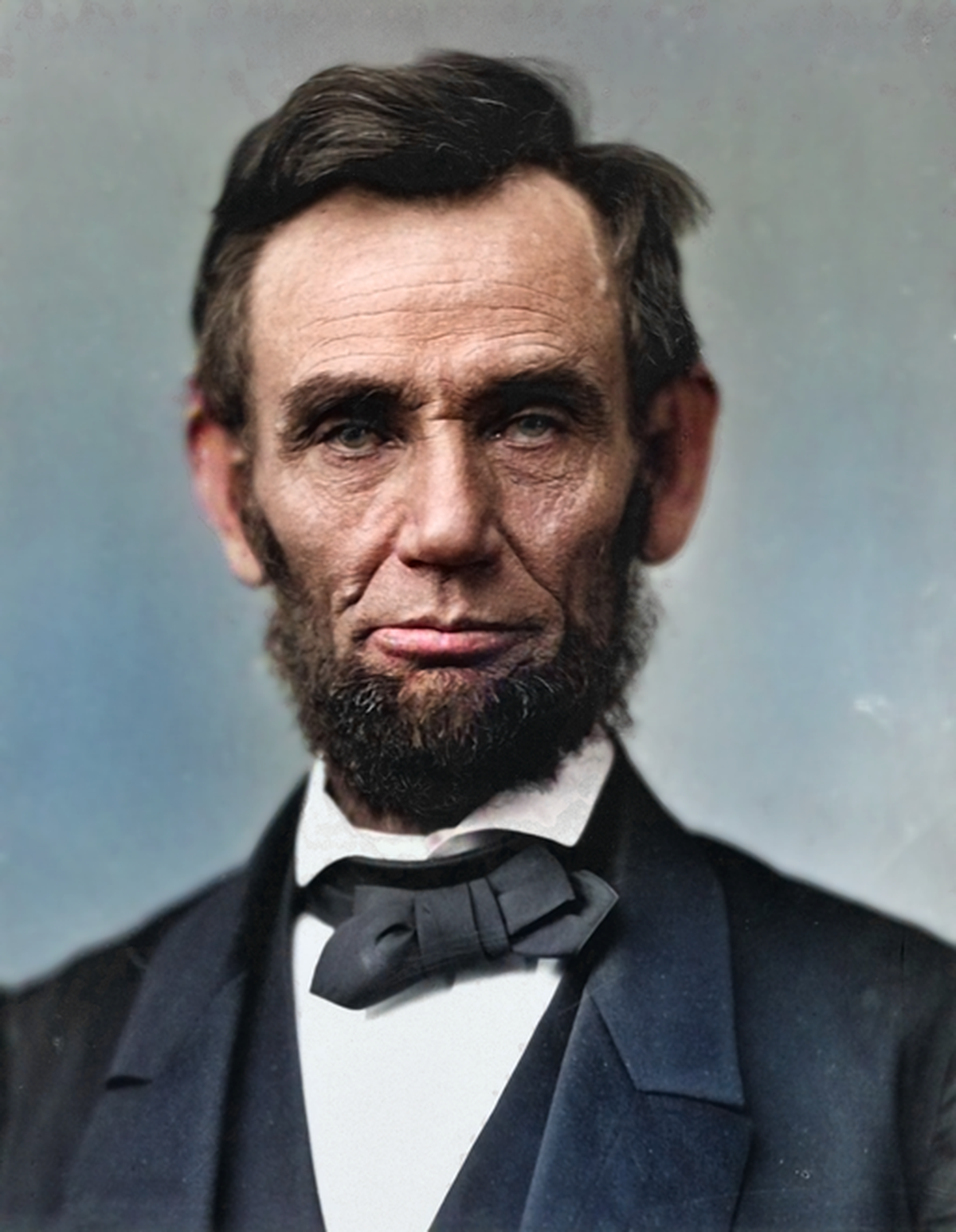
Abraham Lincoln
Abraham Lincoln (1809–1865) served as the 16th President of the United States, leading the nation through one of its most challenging periods—the Civil War. His leadership during this time proved crucial in preserving the Union and ultimately shaping the future of the nation. Lincoln’s presidency is most notably defined by his strong stance against the expansion of slavery and his commitment to equality, which was most famously encapsulated in the Emancipation Proclamation of 1863. This executive order declared the freedom of enslaved individuals in the Confederate states, marking a pivotal moment in the fight against slavery and laying the groundwork for its eventual abolition.
Lincoln’s exceptional oratory skills helped rally the nation and redefined the meaning of democracy. His Gettysburg Address of 1863 is a defining speech in American history, where he eloquently reaffirmed the principles of liberty and equality, and called for a "new birth of freedom" for all people. His words continue to resonate, serving as a symbol of the nation’s ideals of democracy and human rights.
Born in a log cabin in Kentucky, Lincoln was largely self-educated, rising from humble beginnings to become a prominent lawyer and politician. His personal character, marked by integrity, empathy, and determination, earned him respect across political divides. During his presidency, he faced intense opposition, yet his resolve to keep the Union intact and end slavery remained steadfast.
Lincoln was tragically assassinated in 1865, just as the war was drawing to a close. His death marked the loss of one of America’s most revered leaders. Today, his legacy endures as a champion of freedom, justice, and equality, and his leadership continues to influence and inspire generations.