Galatians 6:9, John 3:8, Ecclesiastes 11:5, Isaiah 55:10-11, John 6:44
Writing about ministering to postmodern skeptics, Don Everts and Doug Schaupp share a helpful insight into the mystery of God's movement: The first lesson they have taught us about the path to f...
Galatians 5:13, John 8:36, Isaiah 30:1, Proverbs 14:12, Genesis 3:6-7
Modern man is “a bleak business…To our chagrin we discover that the declaration of autonomy has issued not in a race of free, masterly men, but rather in a race that can be described by its poets and ...
Exodus 1:15–21, Daniel 3:16–18 , 1 Kings 3:16–28 , Matthew 4:1–11, Galatians 1:6–10, Psalm 73:
Pragmatism may be defined simply as the approach to reality that defines truth as “that which works.” The pragmatist is concerned about results, and the results determine the truth. The problem with t...
In this short excerpt, professor and pastor Tod Bolsinger describes how the changing world of ministry (in the West) has led some pastors to simply give up trying: About twelve years ago, I heard a ...
I grew up as a Christmas and Easter Methodist. Our family called ourselves Christians, but it was not an important part of our lives. I found church boring. When I turned eighteen, something happened ...
Context of Galatians I still remember my intro to New Testament class in college and the professor discussing Paul’s letter to the Galatians. All of Paul’s other letters begin with words of adoration...
1 Peter 2:12, Galatians 3:26-28, 1 Corinthians 12:12-13, John 13:34-35, Acts 2:42-47, Matthew 28:19-20, James 2:17-18
In Silence, Shusaku Endo writes of the journey of Portuguese Jesuits journeying to Japan. It is a conversation about those who intend to take the path of Jesus, only to find they are on the path of Ju...
Psalm 19:null, Psalm 1:null, Psalm 119:null, Exodus 20:2-3, Galatians 3:24-26, John 14:6, Matthew 22:37-40
Ancient Lens What can we learn from the historical context? The Books of the Psalms and David The Book of Psalms is divided into five books, like the five books of the Torah. While it is not obvi...
Romans 12:2, Galatians 6:1, Proverbs 9:10, James 1:4, Isaiah 61:3
Think of an ancient icon of Christ. Imagine that a thousand-year-old Christ Pantocrator painted on a wooden panel is discovered in some forgotten monastery. The image of Christ is there, but it’s cove...
Galatians 5:14-15, John 8:32, Micah 6:8, 1 Corinthians 1:10, Matthew 7:3-5, Romans 12:2, James 3:17
People bind themselves into political teams that share moral narratives. Once they accept a particular narrative, they become blind to alternative moral worlds.
Romans 5:1, Romans 8:1, Galatians 2:16, Titus 3:5, 1 John 4:15, Isaiah 61:10, Hebrews 10:14
Much that we have interpreted as a defect of sanctification in church people is really an outgrowth of their loss of bearing with respect to justification. Christians who are no longer sure that God l...
“Moral”…is an orientation toward understandings about what is right and wrong, just and unjust, that are not established by our own actual desires or preferences but instead are believed to exist apar...
Exodus 5:1-21, 1 Samuel 8:4-22, Isaiah 1:10-17 , Matthew 23:23-28 , Galatians 3:26-29, Psalm 146:3-9
One of the gravest dangers to the Christian faith is its wholesale appropriation of the larger culture. When this happens, the citizens of those places cannot recognize the difference between their cu...
1 Peter 3:8-9, Galatians 3:28, Proverbs 31:8-9, Matthew 5:9, Romans 12:18
Just as Socrates felt that it was necessary to create a tension in the mind so that individuals could rise from the bondage of myths and half-truths to the unfettered realm of creative analysis and ob...
Galatians 1:10, Jeremiah 29:7, Matthew 5:13-14, Colossians 2:8, John 17:15-16, Acts 17:22-23, Romans 12:2
To reach people we must appreciate and adapt to their culture, but we must also challenge and confront it. This is based on the biblical teaching that all cultures have God's grace and natural rev...
In class I often use a show-and-tell example to illustrate the central point for the understanding of ministry. I invite a student to join me at the front of the class. I always pick a large, strongly...
Psalm 37:8, Colossians 3:8, Galatians 5:22-23, Romans 12:17-18, Matthew 7:1-2
The political cartoonist and Op-Ed writer Tim Kreider has provided us with some insight into the “world of outrage” we currently inhabit. A world that has been amplified by the dawn of the Internet an...
Galatians 5:13-14, Matthew 16:24-25, Romans 12:4-5, Philippians 2:3-4, Ephesians 2:8-10
In her excellent book on following Jesus in the suburbs, Ashley Hales describes one of the ways in which our discipleship has been influenced by modern secular trends such as the desire for self-actua...
Matthew 11:28-30, Galatians 5:1, Deuteronomy 30:19-20, 1 Corinthians 10:23, John 10:10
When every option is available to us, we don’t actually have freedom; we tend to shut down. I experienced what sociologists call choice overload (or paralysis) and decision fatigue. If you’ve ever tri...
James 2:1-17, James 1:27, Galatians 3:16, Colossians 3:11, Romans 2:11, Ephesians 6:9, Colossians 3:25
A Highly Practical Text Often we come to scripture passages that require a bit of interpretive twists and turns to find ways of connecting the text to our modern-day lives in the 21st century. But oc...
Galatians 1:10, Colossians 3:23, Psalm 139:13-14, Proverbs 29:25, Romans 8:31, 1 Thessalonians 2:4, 1 Samuel 16:7, Romans 12:2, John 1:12
George Herbert Mead, an influential early 20th-century sociologist, coined the term “generalized other” to describe the vague group we consider when shaping our actions. How often do we behave a certa...
Isaiah 49:6, Revelation 7:9, John 3:16, Galatians 3:28, Romans 10:12, Acts 1:8, Matthew 28:19-20
The Gospel as such has no native country. He who goes out humbly with Christ in the world of all races will perpetually discover the multiple, but constant, relevance of what he takes. It takes a whol...
Galatians 2:20, James 1:2-4, Isaiah 53:5, Romans 8:28, Matthew 16:24-25
It is not what we do that matters, but what a sovereign God chooses to do through us. God doesn't want our success; He wants us. He doesn't demand our achievements; He demands our obedience. T...
Philippians 3:13-14, Matthew 11:12, Galatians 1:10, Daniel 3:18, 1 Corinthians 1:27, Acts 17:6
The reasonable man adapts himself to the world; the unreasonable one persists to adapt the world to himself. Therefore all progress depends on the unreasonable man.
In one of his letters, the philosopher and psychologist William James shares a conviction regarding his focus not on big, grand things, but with the small “almost invisible” decisions: I am done wit...
Matthew 28:18-20, Acts 1:8, Acts 10:34-35, Galatians 3:28, Romans 1:16, John 4:21-24, Psalm 22:27-28
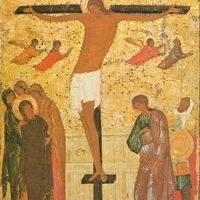
[Speaking of the early church] A cosmopolitan spirit grew, particularly in the cities, that transcended national barriers. Old tribal distinctions and identities were breaking down, leaving people rip...
Imagine you have an invisible recorder around your neck that, for all your life, records every time you say to somebody else, “You ought.” It only turns on when you tell somebody else how to live. In ...
Kevin Vanhoozer draws on 1 Corinthians 4 to argue powerfully for reading and teaching the Bible as drama. As Paul talks about his apostolic ministry, he says this: “For, I think, God has exhibite...
Matthew 5:48, 1 John 3:2-3, Galatians 5:16-17, Philippians 3:13-14, Colossians 3:1-2, Ephesians 4:22-24
The scholastics used to say: Homo non proprie humanus sed superhumanus est —which means that to be properly human, you must go beyond the merely human.
In today’s culture, it’s a race to the top of the ladder. According to Pew Research, millennials are the most educated generation. No one does comparison quite like millennials. We have apps for every...














![[Speaking of the early church] A](https://a-us.storyblok.com/f/1016915/1200x801/ed572a4861/the-early-church.jpg/m/200x200/smart)


