Martin Luther King, Jr.
Martin Luther King Jr. (1929–1968) was a pivotal American civil rights leader and Baptist minister whose work in the 1950s and 1960s changed the course of American history. Through his unwavering commitment to justice and equality, King became the most visible and influential figure in the struggle for racial equality, drawing upon the principles of nonviolent resistance and Christian teachings.
King rose to national prominence as the leader of the Montgomery Bus Boycott in 1955, a response to the arrest of Rosa Parks for refusing to give up her seat to a white man on a segregated bus. This boycott, along with King's subsequent leadership of the Southern Christian Leadership Conference (SCLC), became a model for the civil rights movement's nonviolent approach to protest.
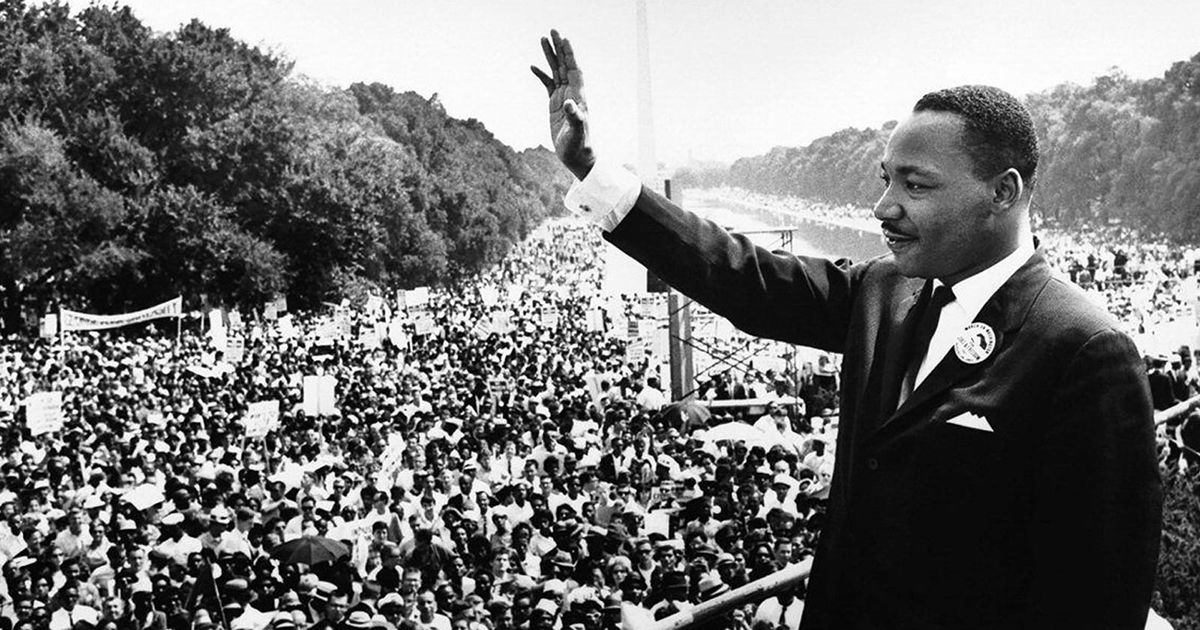
King’s oratory skills and steadfast dedication to peaceful protest made him a powerful voice in the fight against racial segregation, discrimination, and injustice. His "I Have a Dream" speech, delivered during the 1963 March on Washington, called for an end to racial inequality and promoted the vision of a nation where people are judged by the content of their character rather than the color of their skin.
In recognition of his advocacy for peace and equality, King was awarded the Nobel Peace Prize in 1964. His efforts contributed directly to landmark legislation, including the Civil Rights Act of 1964 and the Voting Rights Act of 1965, both of which significantly advanced racial equality in America.
Tragically, King was assassinated in 1968 while in Memphis, Tennessee, advocating for economic justice for poor workers. However, his legacy of advocating for fairness, justice, and peaceful change continues to inspire movements for equality and social justice across the world. His life remains a testament to the power of faith, nonviolent resistance, and the pursuit of a just society.