Psalm 119:105, 2 Timothy 3:16-17, Nehemiah 8:8, Acts 17:10-15, Galatians 5:1, Hebrews 4:12, Isaiah 55:10-11, John 15:15, 1 John 2:27
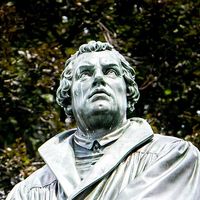
The Bible ceased to be a foreign book in a foreign tongue, and became naturalized, and hence far more clear and dear to the common people. Hereafter the Reformation depended no longer on the works of ...
Matthew 5:11-12, 1 Peter 2:12, Galatians 1:10, Acts 17:16-34, Ephesians 4:29, Matthew 7:1-5, James 4:11-12
In life, whenever someone achieves success, criticism usually follows—regardless of their skill or the effort they’ve invested. An old story illustrates this truth. A woman crafted artificial fruit so...
John 1:14, Galatians 4:4-5, Micah 5:2, Matthew 2:1-2, Acts 17:26-27
The Christian faith can never be separated from the soil of sacred events, from the choice made by God, who wanted to speak to us, to become man, to die and rise again, in a particular place and at a ...
Acts 17:6, Revelation 5:9-10, Galatians 3:28, Romans 8:17, Matthew 5:3
The kingdom of God turns the Darwinist narrative of the survival of the fittest upside down (Acts 17:6–7). When the church honors and cares for the vulnerable among us, we are not showing charity. We ...
John 13:34-35, Isaiah 1:17, Proverbs 31:8-9, Acts 17:26, Micah 6:8, James 2:1, Galatians 3:28
To remain neutral in a situation where the laws of the land virtually criticized God for having created men of color was the sort of thing I could not, as a Christian, tolerate.
Philippians 3:13-14, Matthew 11:12, Galatians 1:10, Daniel 3:18, 1 Corinthians 1:27, Acts 17:6
The reasonable man adapts himself to the world; the unreasonable one persists to adapt the world to himself. Therefore all progress depends on the unreasonable man.
Galatians 1:10, Jeremiah 29:7, Matthew 5:13-14, Colossians 2:8, John 17:15-16, Acts 17:22-23, Romans 12:2
To reach people we must appreciate and adapt to their culture, but we must also challenge and confront it. This is based on the biblical teaching that all cultures have God's grace and natural rev...