In this excerpt, author David Zahl challenges the common belief that religion is “in decline.” He argues that while Westerners, particularly younger generations, may be distancing themselves from the ...
Exodus 5:1–2, 1 Kings 18:21–39, Daniel 3:16–18, Matthew 5:14–16, Acts 4:19–20, Psalm 2:1–2, 10–12
Most secularists are too politically savvy to attack religion directly or to debunk it as false. So what do they do? They consign religion to the value sphere—which takes it out of the realm of true a...
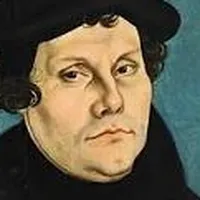
Noteworthy in this regard is the contribution of the Reformers, particularly Martin Luther, though John Calvin’s contribution is also very significant. Both called for a spirituality in the world that...
Many people have misinterpreted the separation of church and state to mean that religious views shouldn’t play a role in public discussions and lawmaking. Someone might say, “We shouldn’t restrict abo...
Genesis 2:1-3, Exodus 20:8-11, Deuteronomy 5:12-15, Mark 2:27-28, Matthew 12:8, Luke 6:5
For the most part, contemporary Christians pay little attention to the Sabbath. We more or less know that the day came to reflect, in U.S. culture, the most stringent disciplinary faith of the Puritan...
Mark 7:1-23, Mark 7:1-12, Isaiah 29:13, Exodus 12:6-20, Deuteronomy 6:20-25, Joshua 4:1-9
Context Ritual Purity The most important broad contextual issue to address with this passage is the concept of ritual purity, and the ways in which this served as a boundary and identity marker for ...
Mark 7:1-8, 14-15, 21-23, Mark 7:11-12, Isaiah 29:13, Exodus 12:6-20, Deuteronomy 6:20-25, Joshua 4:1-9
Context Ritual Purity The most important broad contextual issue to address with this passage is the concept of ritual purity, and the ways in which this served as a boundary and identity marker for ...
Mark 2:23-28, Mark 3:1-6, Acts 12:12, Acts 12:25, Acts 15:37-39, Colossians 4:10, 2 Timothy 4:11, Philemon 1:24, 1 Peter 5:13, Mark 1:14-15, Mark 2:1-22, Exodus 20:8-11, Deuteronomy 5:12-15, Exodus 34:21, 1 Samuel 21:1-6, Luke 11:37-54, Mark 2:1-17, Genesis 1:26-31, Genesis 2:1-2, Genesis 3:null, John 19:30
Context Authorship of Mark Mark’s account of the story of Jesus is commonly held to be the earliest of the four canonical Gospels. Early church tradition identifies the author as Mark (or John Mark)...
Exodus 8:11, Mark 2:27, Genesis 2:3, Matthew 5:12-15
Sunday observance of the Sabbath was the subject of forty-seven acts of Parliament and often debated by American legislators in the nineteenth and early twentieth centuries.
Exodus 3:7-10, Isaiah 58:6-10, Micah 6:6-8, Matthew 23:27-28 , James 1:26-27, Psalm 146:7-9
A major stumbling block for many earnest seekers is the compelling evidence throughout history that terrible things have been done in the name of religion. This applies to virtually all faiths at some...
The problem is not recognizing the importance of the individual. The problem is the glorification of the individual. When the individual self is glorified over the greater good of the community, right...
Exodus 12:14, Exodus 13:8-9, Joshua 4:6-7, Acts 2:42, Joel 2:15-16
Rituals are procedures or routines that are fused with meaning. Ritual actions include various rites of passage (birth, marriage, death) or calendrical rites (religious holy days, national holidays), ...
Ignoring God's Stop Sign Have you ever been driving and inadvertently blown right through a stop sign? It happened to me recently. Anne and I were down in San Francisco meeting some friends, I w...
Exodus 5:1-21, 1 Samuel 8:4-22, Isaiah 1:10-17 , Matthew 23:23-28 , Galatians 3:26-29, Psalm 146:3-9
One of the gravest dangers to the Christian faith is its wholesale appropriation of the larger culture. When this happens, the citizens of those places cannot recognize the difference between their cu...
The challenge each of these faced in their deconstruction—and what we may face—is walking the tightrope between becoming our own person and honoring our past. In The Homeless Mind , sociologist P...
Exodus 20:3-7, 12-17, Deuteronomy 5:12-15, Mark 2:27-28, Matthew 12:8, Luke 6:5, Hebrews 4:9-10, Isaiah 58:13-14
Interpretation series editor Patrick Miller has shrewdly observed that the fourth commandment on Sabbath is the “crucial bridge” that connects the Ten Commandments together. The fourth commandment loo...
When we fight this work-six-days, Sabbath-one-day rhythm, we go against the grain of the universe. And to quote the philosopher H. H. Farmer, “If you go against the grain of the universe, you get spli...
As the place where the divine presence dwells, our bodies are worthy of care and blessing. . . . It is through our bodies that we participate in God’s activity in the world.
Whether the Hebrew Genesis account was meant to be science or not, it was certainly meant to convey statements of faith. As will be shown it is part of the biblical polemic against paganism and an int...
Exodus 6:33, Exodus 20:3, Deuteronomy 6:5, 1 Corinthians 10:31, James 1:17, 1 Timothy 6:17, Luke 14:26-27, Philippians 3:8
We sometimes imagine surrender to God as emotional starvation. Every pleasure feels suspicious, and every passion feels in competition with our love of God. We think that the more miserable we are in ...
Ancient lens What's the historical context? Covenant first These words spoken by God to the people of Israel were spelled out within the covenant-making process. God has promised to be with t...
Mark 2:23-28, 3:1-6, Mark 2:23-28, Mark 3:1-6, Acts 12:12, Acts 12:25, Acts 15:37-39, Colossians 4:10, 2 Timothy 4:11, Philemon 1:24, 1 Peter 5:13, Mark 1:14-15, Mark 2:1-22, Exodus 20:8-11, Deuteronomy 5:12-15, Exodus 34:21, 1 Samuel 21:1-6, Luke 11:37-54, Mark 2:1-17, Genesis 1:26-31, Genesis 2:1-2, Genesis 3:null, John 19:30
Preaching Commentary Context Authorship of Mark Mark’s account of the story of Jesus is commonly held to be the earliest of the four canonical Gospels. Early church tradition identifies the author...
Summary of the Text Songs of Ascent Psalm 133 is part of the Psalter’s collection of the Songs of Ascent, Psalms 120-134. The Songs of Ascent were sung by the throng of pilgrims making their way to ...
Exodus 32:1–4, 1 Samuel 8:6–9, Daniel 6:6–10, Matthew 22:20–21, Acts 5:29, Psalm 146:3–5
Followers of Jesus should not be in bed with any of the political parties. Even if one affiliates with a particular party, may we maintain a posture to collaborate, listen, hold accountable, and engag...
When the Reformers broke with Rome and claimed the view that the Bible was to be the supreme authority of the church (sola Scriptura), they were very careful to define basic principles of interpretati...
The framework of seven days is rich with divine intention. Certainly, in biblical numerology, the number seven symbolizes divine perfection. But perhaps it goes deeper than that. Echoing church father...
Sabbath begins in rest. The Jewish people practice Shabbat sundown on Friday to sundown on Saturday. It begins and ends in the dark, where rest (not hustle) is the first word.
God's Sovereignty The sovereignty of God is a pervasive theme in the Bible, expressed in a variety of ways. Daniel’s vision is one of those expressions and a bit more challenging than the declara...
Exodus 3:11-14, Isaiah 6:5-8 , 1 Kings 19:11-13 , John 15:4-5 , Luke 10:38-42 , Psalm 46:10
Historically the West has tended to throw its chief emphasis upon doing and the East upon being. . . . Were human nature perfect there would be no discrepancy between being and doing. The unfallen man...