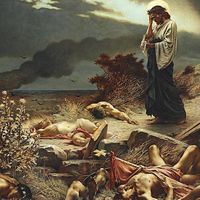
After the fall of our first parents, boundaries were something to push past, to transgress. It’s worth pausing to note how we use the word transgression for “sin.” With its Latin roots, “across” and ...
Genesis 3:1-7 , Exodus 32:1-6 , Ecclesiastes 2:1-11, Psalm 73:25-26, Matthew 4:1-11 , James 1:13-15
The church fathers consistently acknowledged the beauty and goodness of desire (e.g., Augustine, above), but they were not naive to the potential for desire to be bent by sin. They knew that our longi...
Genesis 3:9-13 , Exodus 32:21-24 , Proverbs 16:2, Luke 18:9-14 , Psalm 94:11, Matthew 25:24-30
Some time ago, when gambling was still illegal in the state of Massachusetts, four old friends were sitting in the back of a small New England general store, quietly playing poker, when the sheriff su...
Mark 2:23-28, Mark 3:1-6, Acts 12:12, Acts 12:25, Acts 15:37-39, Colossians 4:10, 2 Timothy 4:11, Philemon 1:24, 1 Peter 5:13, Mark 1:14-15, Mark 2:1-22, Exodus 20:8-11, Deuteronomy 5:12-15, Exodus 34:21, 1 Samuel 21:1-6, Luke 11:37-54, Mark 2:1-17, Genesis 1:26-31, Genesis 2:1-2, Genesis 3:null, John 19:30
Context Authorship of Mark Mark’s account of the story of Jesus is commonly held to be the earliest of the four canonical Gospels. Early church tradition identifies the author as Mark (or John Mark)...
Mark 2:23-28, 3:1-6, Mark 2:23-28, Mark 3:1-6, Acts 12:12, Acts 12:25, Acts 15:37-39, Colossians 4:10, 2 Timothy 4:11, Philemon 1:24, 1 Peter 5:13, Mark 1:14-15, Mark 2:1-22, Exodus 20:8-11, Deuteronomy 5:12-15, Exodus 34:21, 1 Samuel 21:1-6, Luke 11:37-54, Mark 2:1-17, Genesis 1:26-31, Genesis 2:1-2, Genesis 3:null, John 19:30
Preaching Commentary Context Authorship of Mark Mark’s account of the story of Jesus is commonly held to be the earliest of the four canonical Gospels. Early church tradition identifies the author...
Revelation 21:10, Revelation 21:2, 10, 22-27, Revelation 22:1-5, 1 Kings 6:20, Genesis 12:1-3, Genesis 2:9, Genesis 3:23-24, Genesis 1:28, Genesis 2:15, Genesis 3:17-19, 1 Corinthians 15:58, Ephesians 6:5-9, Colossians 3:23, Genesis 1:26-27, Exodus 33:20-23, John 14:9, Colossians 1:15, Hebrews 1:3, Mark 15:34, 2 Corinthians 5:21, Exodus 28:15-21, 29-30, John 4:13-14, John 7:37-38, Matthew 27:46, John 3:2, Romans 8:29
Pulling Back the Curtain The Revelation of Jesus Christ is a “pulling back of the curtain” to reveal both the unseen realities of the present (what is really going on in the world from God’s perspect...
Revelation 21:10, 22-22:5, Revelation 21:2, 10, 22-27, Revelation 22:1-5, 1 Kings 6:20, Genesis 12:1-3, Genesis 2:9, Genesis 3:23-24, Genesis 1:28, Genesis 2:15, Genesis 3:17-19, 1 Corinthians 15:58, Ephesians 6:5-9, Colossians 3:23, Genesis 1:26-27, Exodus 33:20-23, John 14:9, Colossians 1:15, Hebrews 1:3, Mark 15:34, 2 Corinthians 5:21, Exodus 28:15-21, 29-30, John 4:13-14, John 7:37-38, Matthew 27:46, John 3:2, Romans 8:29
Preaching Commentary Pulling Back the Curtain The Revelation of Jesus Christ is a “pulling back of the curtain” to reveal both the unseen realities of the present (what is really going on in the wo...
Romans 5:18-19, Exodus 1:14, Luke 15:11-32, John 3:16-17, 1 Corinthians 15:22, Romans 3:23-24, Genesis 3:1-7
The first attempt at a response: there must have been a fall, a decline, and the road to salvation can only be the return of the sensible finite into the intelligible infinite.
Genesis 2:8, Genesis 3:23-24, Exodus 15:27, Song of Solomon 4:12-15, John 18:1, Matthew 26:36
The Bible has its own garden path. It runs from Genesis to Revelation. In fact, some of the most important events in the Christian faith take place in Biblical gardens, evens around which Christianity...