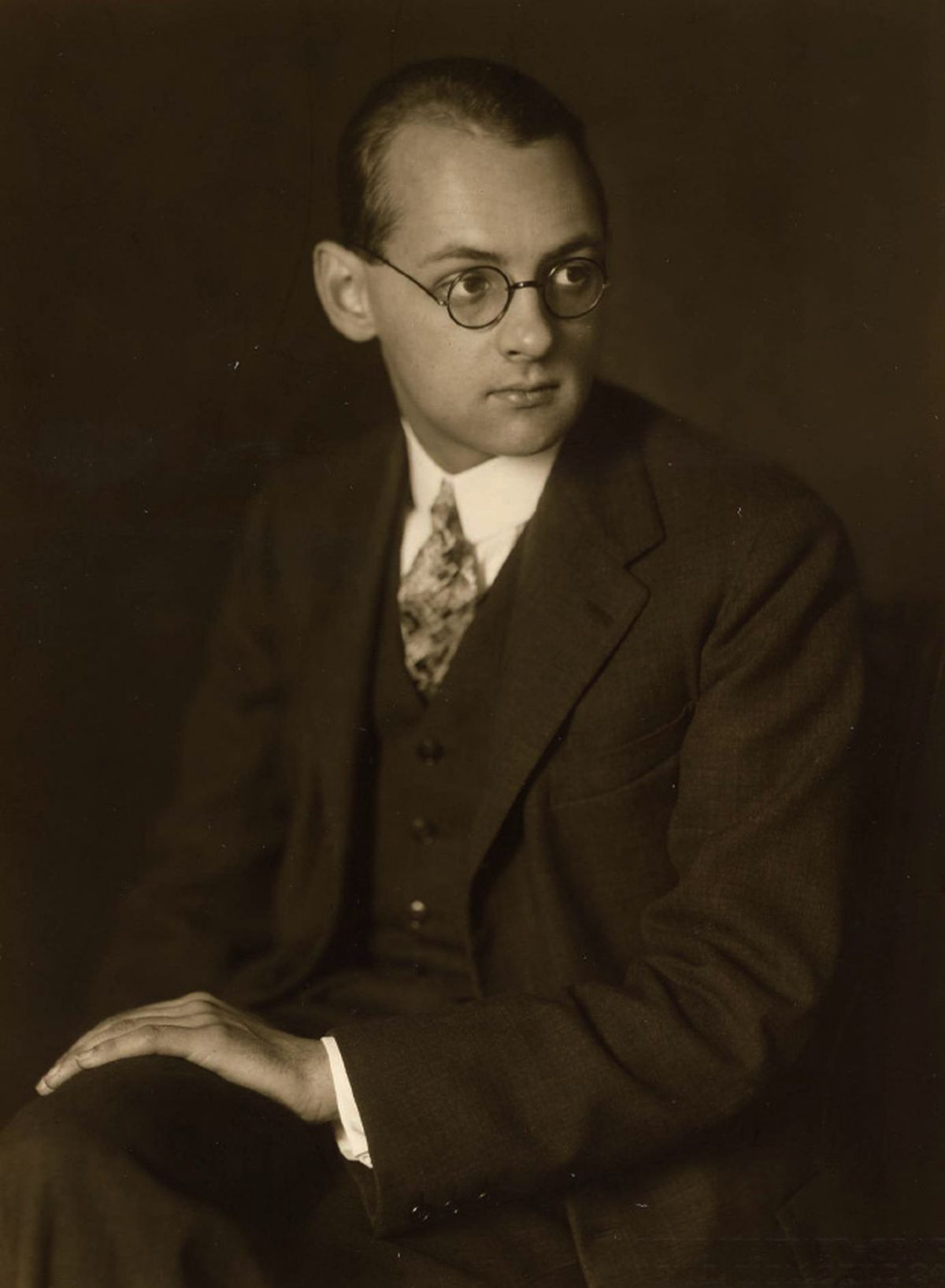
Hans Urs von Balthasar
Hans Urs von Balthasar (1905–1988) was a Swiss theologian, Catholic priest, and one of the most influential theological thinkers of the 20th century. Known for his profound intellectual depth and creative insight, von Balthasar’s work spanned theology, philosophy, literature, and spirituality, earning him a reputation as a pivotal figure in contemporary Catholic thought.
Born on August 12, 1905, in Lucerne, Switzerland, von Balthasar initially pursued studies in literature and philosophy at the universities of Vienna, Berlin, and Zurich. In 1929, he joined the Society of Jesus (Jesuits) and began his theological training. Ordained as a priest in 1936, von Balthasar left the Jesuits in 1950 to co-found the secular institute Community of Saint John with mystic Adrienne von Speyr, whose spiritual writings he edited and published extensively.
Von Balthasar’s theological contributions are vast and multifaceted. His magnum opus, the Theological Trilogy—comprising The Glory of the Lord (on aesthetics), Theo-Drama (on dramatic soteriology), and Theo-Logic (on truth and being)—is a monumental exploration of the beauty, goodness, and truth of God. He sought to recover the transcendent beauty of the Christian faith, emphasizing how divine revelation draws humanity toward God through love and wonder.
An ecumenically minded thinker, von Balthasar engaged with Protestant theology, patristics, and modern philosophy, influencing both Catholic and non-Catholic scholars. Despite his withdrawal from the Jesuits, his theological orthodoxy and fidelity to the Catholic Church were unwavering.
Pope John Paul II recognized von Balthasar’s contributions by naming him a cardinal in 1988, though he passed away shortly before the consistory. His legacy endures as a towering figure in modern theology, celebrated for his vision of a faith that embraces the fullness of truth, beauty, and love in the mystery of God.