2 Kings 5:1–14, Isaiah 53:4–5, Exodus 15:26, Mark 2:1–12, John 11:25–26, Psalm 103:2–3
David (Yonggi) Cho would go on to lead what is recognized as the largest church in the world (the Yoido Full Gospel Church), but his spiritual journey began far from Christianity. Raised as a Buddhist...
Leviticus 13:45-46, Isaiah 53:3-5, 2 Samuel 9:3, 6-7, Mark 1:40-42, Luke 7:37-38, John 20:27
Sociologist Erving Goffman wrote in his classic study Stigma: Notes on the Management of Spoiled Identity that the term stigma originated with the ancient Greeks, roughly during Jesus’ tim...
Hebrews 4:15, Hebrews 5:7-9, Isaiah 53:1-12, 1 Peter 4:1, 1 Peter 3:18, Matthew 27:57-75, Matthew 28:, Mark 14:43-65, Mark 15:, Luke 23:26-56, John 19:1-37, 1 Peter 2:24, Romans 8:3
A God who cannot suffer is poorer than any human. For a God who is incapable of suffering is a being who cannot be involved. Suffering and injustice do not affect him. And because he is so completely ...
Philippians 2:6-8, John 1:10-11, Isaiah 53:3-4, Matthew 11:19, Mark 15:34, Isaiah 53:12, Luke 15:20-24, Revelation 7:13-14
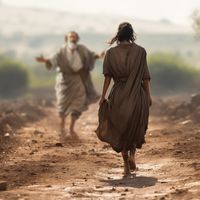
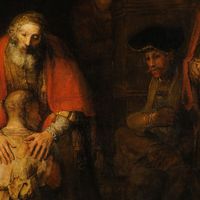
In this excerpt, the French monastic leader Frere Pierre Marie, shares an interpretation of Jesus as the true prodigal son—bringing all of us home with him: He, who is born not from human stock, or ...
Mark 5:21-43, Mark 2:17, Luke 5:31, Matthew 9:12, Isaiah 53:5, Psalm 147:3, 1 Peter 2:24
Jesus, our Great Physician, our sins have brought wounds on ourselves and others. Heal our hearts first, that we would no longer desire the sins that have only brought us and others pain. Go on to hea...
Isaiah 53:7, John 13:5, John 11:33-35, Mark 10:13-14, Luke 8:44-48
In the one place in the Bible where the Son of God pulls back the veil and lets us peer way down into the core of who he is, we are not told that he is “austere and demanding in heart.” We are not tol...
Mark 14:36, Colossians 3:12, Matthew 6:1, Philippians 2:6-11, Romans 1:1, Isaiah 53:7, Mark 14:61, 1 Timothy 1:15, Ephesians 2:8, Luke 18:10-14, Matthew 5:23-24, Mark 7:8, Matthew 7:1-6, Matthew 16:52
Gentled by grace. That’s the incredible and inspiring story of Abba Moses the Black. He was a violent thief who became a humble and kind monk and one of the great Desert Fathers who served the Lord ...
Luke 18:13-14, Romans 5:8, Mark 2:17, 1 John 1:8-10, Isaiah 53:6, Jeremiah 17:9, Romans 3:23
A recovery of the old sense of sin is essential to Christianity. Christ takes it for granted that men are bad. Until we really feel this assumption of His to be true, though we are part of the world H...
Mark 9:2-9, Exodus 24:16-18, Daniel 7:9, 13-14, Revelation 1:14-15, Mark 1:11, Isaiah 53:null, Psalm 2:6-8, 2 Peter 1:17-18
Context The Gospel of Mark presents two clear phases of Jesus’ ministry. The first phase (chapters 1-8) takes place in Galilee. It is characterized by words and deeds of power and authority. The seco...
Mark 1:4-11, Isaiah 40:3, Mark 2:7, Philippians 2:7, Isaiah 53:null, Hebrews 4:15, 2 Corinthians 8:9, Mark 1:1-3
Enter John the Baptist John the Baptist enters the stage in Mark 1 as the “voice of one crying in the wilderness,” (Isaiah 40:3) whose message and ministry is to “prepare the way of the Lord.” Mark d...
Mark 9:2-9, Exodus 24:16-18, Daniel 7:9, 13-14, Revelation 1:14-15, Mark 1:11, Isaiah 53:null, Psalm 2:6-8, 2 Peter 1:17-18
Preaching Commentary Context The Gospel of Mark presents two clear phases of Jesus’ ministry. The first phase (chapters 1-8) takes place in Galilee. It is characterized by words and deeds of power ...
Mark 1:4-11, Mark 1:1-3, Isaiah 40:3, Mark 2:7, Philippians 2:7, Isaiah 53:null, Hebrews 4:15, 2 Corinthians 8:9
Preaching Commentary Enter John the Baptist John the Baptist enters the stage in Mark 1 as the “voice of one crying in the wilderness,” (Isaiah 40:3) whose message and ministry is to “prepare the w...
Matthew 1:21, John 1:29, Isaiah 53:4-5, Hebrews 10:10, Mark 10:45, 1 John 4:9-10
The very purpose of Christ’s coming into the world was that He might offer up His life as a sacrifice for the sins of men. He came to die. This is the heart of Christmas.
Luke 1:26-38, Luke 2:1-7, John 1:14, Luke 2:10-11, Philippians 2:5-8, John 10:14-18, Isaiah 53:4-5, Matthew 20:17-19, Mark 15:33-39, 1 Peter 1:3-4
The Christmas message is that there is hope for a ruined humanity--hope of pardon, hope of peace with God, hope of glory--because at the Father's will Jesus became poor, and was born in a stable s...
John 10:11, John 10:27-28, Luke 15:4-6, Matthew 9:36, Mark 6:34, Isaiah 53:6, Psalm 23:1-3, 1 Peter 2:25
Jesus doesn’t just use the shepherd metaphor when he refers to himself as the door. Over and over in the Bible, we are compared to sheep. Some people think it’s heartwarming. But I hate to tell you, i...
Philippians 2:5-8, Luke 2:6-7, Isaiah 53:2-3, John 13:4-5, Hebrews 2:14-17, Luke 22:27, Mark 10:42-45
Humble. Before Jesus, almost no pagan author had used “humble” as a compliment. Yet the events of Christmas point inescapably to what seems like an oxymoron: a humble God. The God who came to earth ca...
John 11:35, Matthew 9:36, Luke 19:41-42, John 2:15-16, Mark 3:5, Isaiah 53:3-4
I am spellbound by the intensity of Jesus’ emotions: Not a twinge of pity, but heartbroken compassion; not a passing irritation, but terrifying anger; not a silent tear, but groans of anguish; not a w...
Mark 15:39, Hebrews 4:15, John 11:35, Luke 22:44, Psalm 22:1, 2 Corinthians 4:8-10, Isaiah 53:5
I am a Christian because of that moment on the cross when Jesus, drinking the very dregs of human bitterness, cries out, My God, my God, why hast thou forsaken me? . . . The point is that he felt huma...
1 Corinthians 1:18-25, Isaiah 53:3-5, John 12:32-33, Colossians 2:13-15, Mark 15:39
Precisely how a man nailed to a cross 2,000 years ago, who claimed to be the Son of God, came to signify reality, in contradiction to the sawdust men of destiny with their fraudulent wars and revoluti...
Philippians 2:5-8, Isaiah 53:2-3, Luke 22:27, Mark 10:45, John 13:14-15
St. Paul tells us that Jesus Christ, the revelation of God become human, “set aside the privileges of deity and took on the status of a slave, became human! Having become human, he stayed human. It wa...