Malcolm Muggeridge
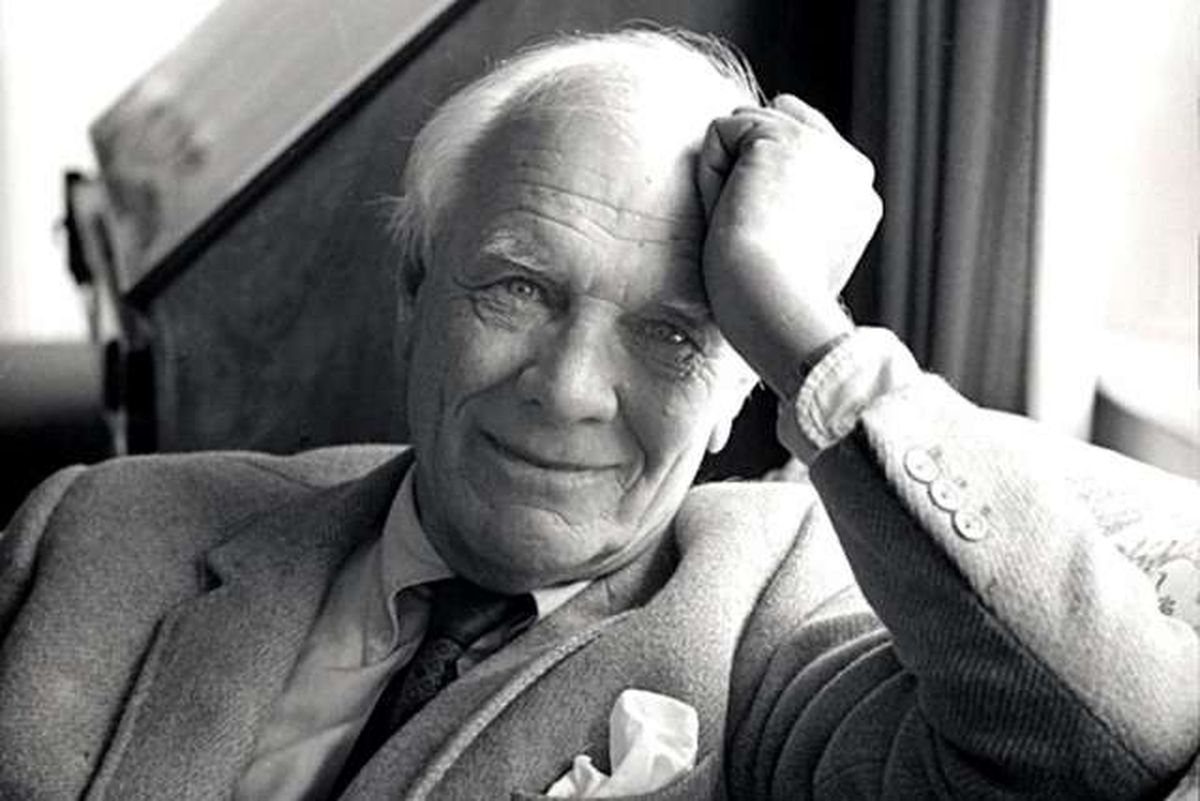
Malcolm Muggeridge (1903–1990) was a British journalist, author, broadcaster, and social critic, renowned for his sharp wit, incisive commentary, and later-life embrace of Christianity. Born in Croydon, England, Muggeridge grew up in a socialist family and initially pursued a secular worldview. After studying at Selwyn College, Cambridge, he began a career in teaching before transitioning to journalism, a field where his eloquence and critical thinking found a natural home.
Muggeridge’s early career included international reporting assignments, including a stint as a correspondent in Moscow during the 1930s. His disillusionment with Soviet communism, which he witnessed firsthand, marked a turning point in his life and writing. He became one of the first Western journalists to expose the horrors of Stalin’s regime, including the devastating Ukrainian famine, earning both respect and controversy for his outspoken stance.
In the mid-20th century, Muggeridge became a prominent media figure in Britain, hosting television programs and penning articles that often critiqued the moral and spiritual decline of Western society. His acerbic humor and penetrating insights made him a compelling voice in public discourse.
A significant transformation occurred in Muggeridge’s later years when he converted to Christianity. Influenced by figures such as Mother Teresa, whom he famously profiled in his book Something Beautiful for God, Muggeridge became a vocal advocate for faith, morality, and the transcendent purpose of life. His spiritual memoir, Confessions of a Twentieth-Century Pilgrim, chronicles his journey from skepticism to faith.
Muggeridge’s legacy lies in his ability to challenge cultural assumptions while articulating a vision of life rooted in eternal truths. His work continues to inspire readers and thinkers, offering a profound critique of modernity alongside a hopeful vision of redemption and grace.