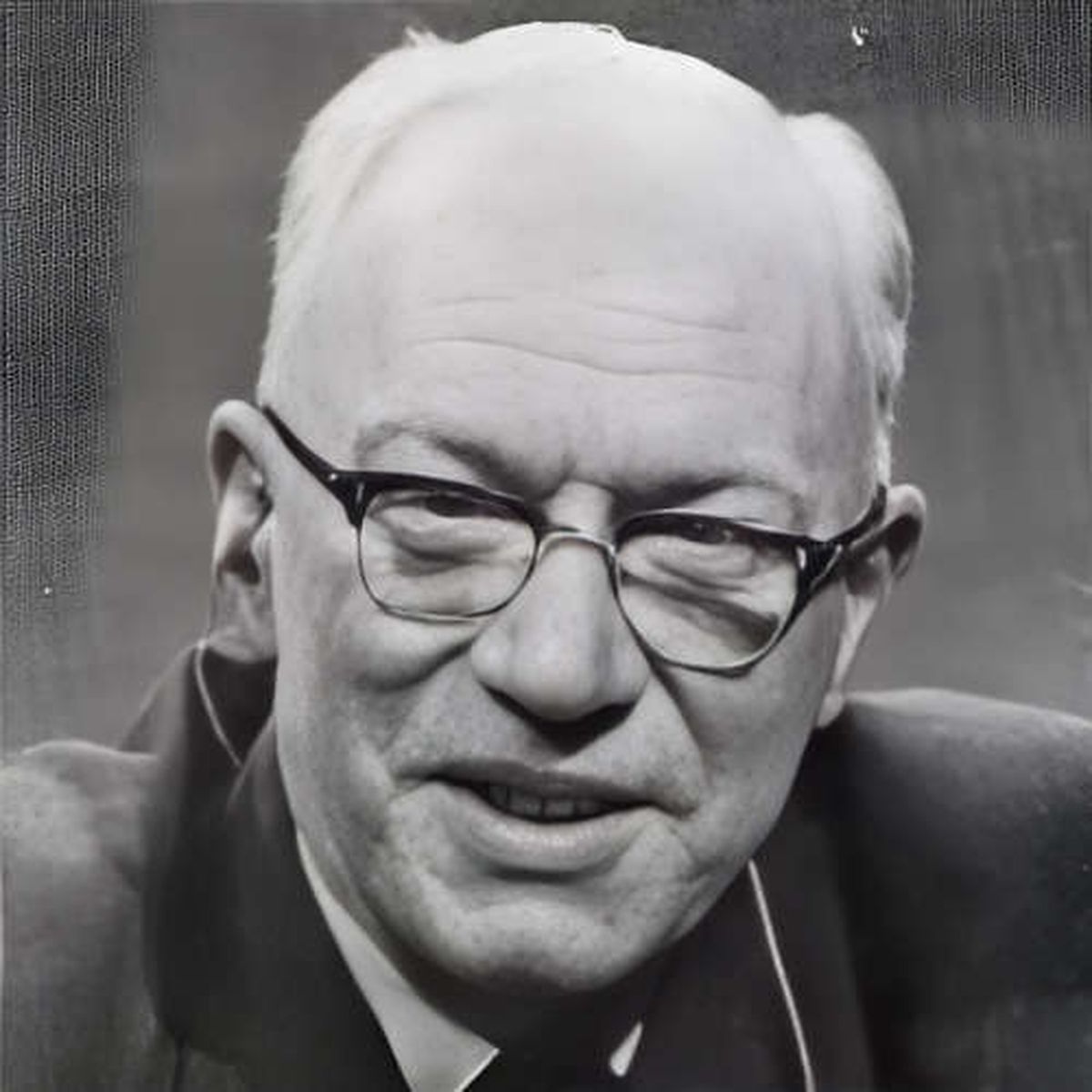
William Barclay
William Barclay (1907–1978) was a renowned Scottish theologian, biblical scholar, and author, best known for his accessible commentaries on the New Testament and his ability to bridge the gap between academic theology and everyday Christian life. Born on December 5, 1907, in Winton, Scotland, Barclay was raised in a devout Presbyterian family. He earned his education at the University of Glasgow, where he studied theology, and later pursued postgraduate work in Germany. Barclay’s academic foundation laid the groundwork for his prolific career as a theologian and educator.
Barclay became a minister in the Church of Scotland, serving in various congregations throughout his life, most notably in the town of Tullibody, where he became beloved for his warm pastoral care and insightful preaching. However, it was through his scholarly work that Barclay gained widespread recognition, particularly for his commentaries on the New Testament. His Daily Study Bible series, which covers the Gospels, Acts, and letters of Paul, is still highly regarded for its clear explanations, historical context, and application to modern-day faith.
A gifted communicator, Barclay had a unique ability to make complex theological concepts accessible to a wide audience, blending historical and cultural insights with practical spiritual wisdom. His commentary series is known for its readability, making it popular among both laypeople and scholars. Barclay’s work also extended to numerous other publications, including books on Christian ethics, the teachings of Jesus, and the history of early Christianity.
Barclay was also a regular contributor to the Church of Scotland’s magazine and a popular broadcaster, sharing his theological insights with a broader audience. Known for his deep faith, humility, and commitment to making Scripture relevant, William Barclay’s legacy continues to shape Christian thought and teaching. He passed away on January 24, 1978, leaving behind a rich legacy of biblical scholarship and pastoral wisdom.




![The word [patience] never means the](https://images.unsplash.com/photo-1563293979-c3c3ec21692f?ixid=M3w1NzU0OTZ8MHwxfHNlYXJjaHwxfHxQYXRpZW5jZXxlbnwxfDJ8fHwxNzEwNTM0MTAxfDA&ixlib=rb-4.0.3&q=80&auto=compress&fit=crop&w=200&h=200)