Exodus 20:1–17, Genesis 22:1–14 , Micah 6:6–8 , Luke 10:25–37 , Matthew 5:17–20, Psalm 82:3–4
Interpretive strategies have gone through cycles of strict-constructionist (or Originalism) and broad-constructionist (or Living Constitution) perspectives. Originally the procedure of interpreting th...
Tradition is a willingness to read Scripture, taking into account the ways in which it has been read in the past. It is an awareness of the communal dimension of Christian faith, which calls shallow i...
Isaiah 29:13, Amos 5:21-24, Proverbs 1:7, James 1:22-25 , Matthew 23:27-28, Psalm 51:16-17
We artful dodgers act as if we do not understand the New Testament, because we realize full well that [if we let on that we did] we should have to change our way of life drastically. That is why we in...
Many of the modern controversies surrounding the Bible—for example, human sexuality, creationism and the “openness” of God—revolve around questions concerning hermeneutics. The science of hermeneutics...
When we turn the Bible into an adjective and stick it in front of another loaded work (like manhood, womanhood, politics, economics, marriage, and even equality), we tend to ignore or downplay the par...
Psalm 119:89, Isaiah 40:8, Matthew 5:18; 24:35, Hebrews 12:25- 28, 1 Peter 1:25
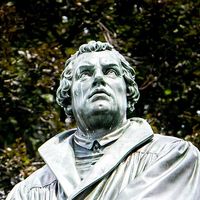
Addressing the clergy gathered at the Diet of Augsburg in 1530 was a pivotal moment in the Protestant Reformation. Luther wrote, “God’s Word is more ancient than you and will also be newer and more...
Leviticus 19:18, Isaiah 58:6-7, Galatians 3:28, James 2:1-9, Psalm 82:3
There is a story, which is fairly well known, about when the missionaries came to Africa. They had the Bible and we, the natives, had the land. They said “Let us pray,” and we dutifully shut our eyes....
One of the gifts John Wesley left the church is the Quadrilateral. The Wesleyan Quadrilateral refers to the four ways we come to know something as true: Scripture (what the Bible teaches), tradition (...
Psalm 119:105, 2 Timothy 3:16-17, Nehemiah 8:8, Acts 17:10-15, Galatians 5:1, Hebrews 4:12, Isaiah 55:10-11, John 15:15, 1 John 2:27
The Bible ceased to be a foreign book in a foreign tongue, and became naturalized, and hence far more clear and dear to the common people. Hereafter the Reformation depended no longer on the works of ...
Genesis 12:1–3, Exodus 3:1–12, Isaiah 53:, Matthew 22:15–22 , John 4:1–42 , Acts 17:16–34
The world of Jesus was not the Old Testament Hebrew world. Like the United States now, Israel was multicultural, including a combination of Aramaic, Greek, and Roman influences. The people looked Jewi...
When the Reformers broke with Rome and claimed the view that the Bible was to be the supreme authority of the church (sola Scriptura), they were very careful to define basic principles of interpretati...
Genesis 1:1–3 , Exodus 20:1–17, Daniel 6:16–23, Luke 10:25–37, Romans 3:21–26, Psalm 119:105
In the sixteenth century the Reformers declared their total confidence in what they called the perspicuity of Scripture. What they meant by that technical term was the clarity of Scripture. They maint...
We like to think of the Bible possessively—my Bible, a rare heritage, a holy treasure, a spiritual heirloom. And well we should. The Bible is fresh and speaks to each of us as God’s revelation of hims...
There’s a story that used to make the rounds about the German theologian Paul Tillich. Tillich’s theology was considered dangerous by many Christians in the U.S. Supposedly one time after delivering a...
Judges 16:1-31, Job 1:6-22, 2 Samuel 13:1-22, Matthew 14:1-12, Luke 23:13-25, Psalm 22:1-31
The Old Testament portrays the world as it is, no holds barred. In its pages you will find passionate stories of love and hate, blood-chilling stories of rape and dismemberment, matter-of-fact account...
Matthew 5:18, John 1:1-14, Colossians 2:9, 1 Corinthians 15:20-22, Philippians 2:9-11, 2 Timothy 3:16-17, Hebrews 4:12, 2 Peter 1:20-21
The great American statesman and president Thomas Jefferson was a man of science who did not believe in miracles but really liked Jesus. Unfortunately, right next to Jesus’ ethical teachings are stori...
Blessed Lord, who hast caused all holy Scriptures to be written for our learning; Grant that we may in such wise hear them, read, mark, learn, and inwardly digest them, that by patience and comfort of...
Story is the primary way in which the revelation of God is given to us. The Holy Spirit’s literary genre of choice is story. Story isn’t a simple or naive form of speech from which we graduate to the ...
2 Timothy 3:16, 2 Peter 1:20-21, Exodus 4:12, 1 Samuel 3:19, Jeremiah 1:9
The biblical sense of inspiration means God so superintended the writers of Scripture that they wrote what he wanted them to write, disclosing the exact truth he wanted conveyed.
Whoever, then, thinks that he understands the Holy Scriptures, or any part of them, but puts such an interpretation upon them as does not tend to build up this twofold love of God and our neighbor, do...
Diane Ackerman was talking about life, but I think it applies to preaching when she wrote, “I don’t want to get to the end of my life and find that I just lived to the length of it. I want to have liv...
Matthew 22:21, Isaiah 5:8-9, John 6:63, Matthew 22:15-22, John 8:1-11, Colossians 2:2-3, 2 Timothy 3:16-17
Jesus Christ was prone to making comments which seem to support an almost infinite variety of exegesis. A remark like ‘Render unto Caesar the things that are Caesars and ‘unto God the things that are ...
One of the core reasons for our Bible engagement breakdown is that so many would-be Bible readers have been sold the mistaken notion that the Bible is a look-it-up-and-find-the-answer handy guide to l...
The social location of enslaved persons caused them to read the Bible differently. This unabashedly located reading has marked African American interpretation since. Did this social location mean Blac...
The New Testament scholar Craig Evans makes a compelling observation about how the academy can sometimes hinder the church through overly skeptical scholarship: Some scholars seem to think that th...
Have you ever found yourself reading the Bible and you came across a scene that is horrific, filled with awful violence or scheming swindlers or ethical blunders, and you find yourself unsure what to ...
Robinson's Winsome Faith I’ve been reading Marilynne Robinson's novels and essays for some time now. Of her fiction, I’ve read Gilead , reflections of a retired minister written for his ...
As Christians, we must read the Bible not only “for” ourselves, for nourishment and encouragement, but also “against” ourselves at times, to hear what God in Christ is really saying.