Bernard of Clairvaux
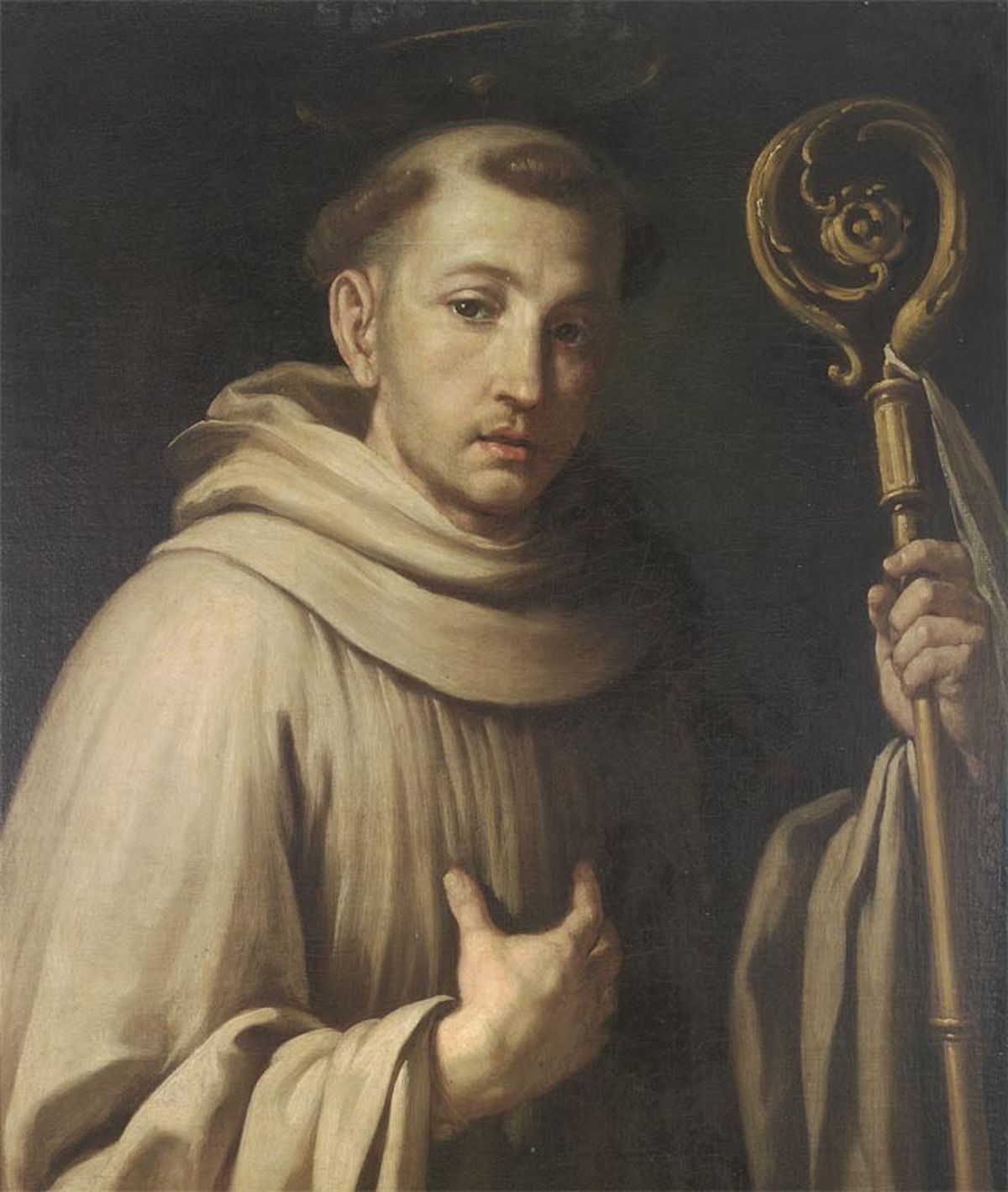
Bernard of Clairvaux (1090–1153) was a French abbot, theologian, and mystic who played a key role in the spiritual and intellectual life of the 12th century. He is best known for founding the Cistercian order of monks, which emphasized simplicity, contemplative prayer, and a return to the original spirit of monastic life. His writings, sermons, and teachings had a profound influence on medieval Christianity, particularly in the development of Christian mysticism and the practice of devotional spirituality.
Born in Burgundy, France, Bernard came from a noble family but chose the monastic life, entering the Abbey of Cîteaux in 1112. He quickly gained a reputation for his deep spirituality and leadership abilities, and within a few years, he was appointed to lead the founding of a new abbey at Clairvaux, which would become a center of spiritual renewal and influence. Under his guidance, the abbey flourished, and Bernard’s reputation as a spiritual leader grew.
Bernard’s theological writings often focused on the love of God, the importance of humility, and the contemplative life. His most famous works include The Song of Songs commentary, which explores the biblical text as a metaphor for the soul’s longing for union with God, and his letters, which reflect his pastoral care and leadership. His deep devotion to Christ and his mystical experiences shaped his theology, and he became one of the most influential theologians of the medieval period.
Beyond his theological contributions, Bernard also played a significant role in the church’s political life. He was a vocal advocate for the Second Crusade and worked to mediate church disputes, advocating for reform within the church. Bernard was canonized as a saint in 1174 and declared a Doctor of the Church in 1830, recognized for his exceptional holiness and theological insight. His legacy continues to inspire those seeking a deeper spiritual life focused on the love of God and selfless devotion.