Matthew 7:13-14, 2 Timothy 4:3-4, Luke 18:8, 2 Corinthians 4:3-4, Matthew 24:12-13
In March 2009, we received the results from the widest religious survey conducted in the United States, the ARIS (American Religious Identification Survey) study. There is much to gain from this repor...
Exodus 5:1–2, 1 Kings 18:21–39, Daniel 3:16–18, Matthew 5:14–16, Acts 4:19–20, Psalm 2:1–2, 10–12
Most secularists are too politically savvy to attack religion directly or to debunk it as false. So what do they do? They consign religion to the value sphere—which takes it out of the realm of true a...
Exodus 3:7-10, Isaiah 58:6-10, Micah 6:6-8, Matthew 23:27-28 , James 1:26-27, Psalm 146:7-9
A major stumbling block for many earnest seekers is the compelling evidence throughout history that terrible things have been done in the name of religion. This applies to virtually all faiths at some...
Psalm 2:10-11, John 18:36, Matthew 5:13-16, Jeremiah 29:7, Micah 6:8, 1 Samuel 15:22
We can’t separate what we believe in the political arena from who we are in Christ and what obedience to God demands...That said, not every tenet of Christianity should become the law of the state. We...
Isaiah 53:4-5, 1 Samuel 17:, 1 John 12:24-25, Matthew 16:25, Psalm 116:15
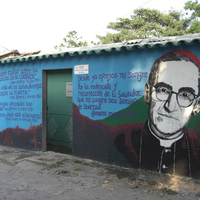
Whoever seeks to avoid danger at all costs may ultimately lose the fullness of life, but the one who, out of love for Christ, dedicates themselves to serving others discovers a life that endures. Arch...
Many people have misinterpreted the separation of church and state to mean that religious views shouldn’t play a role in public discussions and lawmaking. Someone might say, “We shouldn’t restrict abo...
Romans 3:25, Hebrews 9:28, Matthew 4:1-2, 1 Peter 2:24, Psalm 51:1-2, 2 Corinthians 5:21
Written almost a hundred years ago, this excerpt from the Reverend John W. Rilling points out one of the main reasons we continue to observe Lent, a period of repentance and discipline for many who ca...
Matthew 25:15-22, Matthew 20:18-19, Matthew 21:45-46, Matthew 22:18-20, Exodus 20:4, Acts 5:29, Matthew 20:25-28
Preaching Commentary A Notoriously Difficult Passage This passage includes one of the most iconic and quotable of Jesus’s interactions with his contemporary opponents. Jesus deftly steps out of a t...
Isaiah 53:3–5, Daniel 3:16–18, Micah 6:6–8, Matthew 23:23–24, Luke 4:16–30, Psalm 2:1
Jesus, as always, gets caught in the middle—along with a good number of his followers. Many people in America today were brought up in strict Christian homes and churches of one sort or another. There...
Context This text comes near the midpoint of the Gospel of Mark, and its central narrative position is more than matched by its pivotal thematic content. Jesus has turned from his focus on ministry i...
1 Corinthians 13:2, James 2:19-20, 1 Corinthians 8:1-2, Ecclesiastes 1:18, 1 Corinthians 2:5, Philippians 3:10, Matthew 7:21, 24-27, James 1:22
The Oxford scholar and apologist C. S. Lewis... once closed a lecture to a group of apologists like this: I have found that nothing is more dangerous to one’s own faith than the work of an apologis...
Exodus 3:7-10, Micah 6:8, Matthew 25:40, Galatians 6:2, Psalm 82:3-4
In 1830, the Indian Removal Act led to what’s known as the Trail of Tears, in which almost fifty thousand indigenous people were removed from the southeastern United States and relocated west of the M...
1 Samuel 24:10-12, Proverbs 16:8, Romans 12:17-18, Psalm 72:1-4, Micah 6:8, Matthew 5:13-16
When in conflict we should demonstrate that our public witness is more important than winning a political battle. This means that if our side has to do something unloving or corrupt to win, then it’s ...
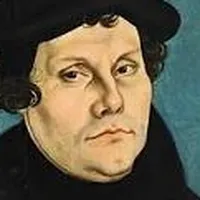
Noteworthy in this regard is the contribution of the Reformers, particularly Martin Luther, though John Calvin’s contribution is also very significant. Both called for a spirituality in the world that...
John 15:5, Matthew 7:24, Romans 12:1-2, Luke 6:46, James 1:22, Colossians 2:6-7
The great danger of Christian discipleship is that we should have two religions: a glorious, biblical Sunday gospel that sets us free from the world, that in the cross and resurrection of Christ makes...
Exodus 5:1-21, 1 Samuel 8:4-22, Isaiah 1:10-17 , Matthew 23:23-28 , Galatians 3:26-29, Psalm 146:3-9
One of the gravest dangers to the Christian faith is its wholesale appropriation of the larger culture. When this happens, the citizens of those places cannot recognize the difference between their cu...
1 Peter 2:12, Galatians 3:26-28, 1 Corinthians 12:12-13, John 13:34-35, Acts 2:42-47, Matthew 28:19-20, James 2:17-18
In Silence, Shusaku Endo writes of the journey of Portuguese Jesuits journeying to Japan. It is a conversation about those who intend to take the path of Jesus, only to find they are on the path of Ju...
Exodus 32:1–4, 1 Samuel 8:6–9, Daniel 6:6–10, Matthew 22:20–21, Acts 5:29, Psalm 146:3–5
Followers of Jesus should not be in bed with any of the political parties. Even if one affiliates with a particular party, may we maintain a posture to collaborate, listen, hold accountable, and engag...
Matthew 6:1-21, Matthew 5:16, Luke 6:20-21, Matthew 25:34-36, Mark 12:41-44
Yes, we mark our heads with ashes—public shows of piety are not in themselves evil. But we must guard our motivations and do most of our spiritual work in private, because the privacy of those acts re...
Galatians 5:14, Matthew 12:1-8, John 4:1-26, James 1:27, 1 John 4:20-21, Matthew 23:23, Mark 12:30-31
The only clear line I draw these days is this: when my religion tries to come between me and my neighbor, I will choose my neighbor…Jesus never commanded me to love my religion.
Matthew 5:10-12, Luke 6:22-23, Luke 12:51-53, Galatians 6:9, Galatians 1:10, Proverbs 29:25
Jane Addams (1860–1935), a leading American social reformer, was a dedicated advocate for racial equality, women’s suffrage, and pacifism. In 1931, she was honored with the Nobel Peace Prize. In 1900,...
Proverbs 28:20, Revelation 2:10, Matthew 5:10-12, Matthew 10:22, 2 Corinthians 4:8-10, 1 Peter 4:12-14, Romans 8:35-37, John 15:18-20, Psalm 31:23, Matthew 25:21, 1 Corinthians 4:2, 1 Timothy 6:12, Matthew 24:45-46
Pliny, a Roman Governor serving around 112 AD, faced a challenging situation regarding Christianity. Many Church historians believe that by his time, it had become illegal to profess the Christian fai...
Matthew 6:1-6, Deuteronomy 6:4-9, Matthew 23:4, 5, 13-36, Mark 12:42, Luke 21:2, Isaiah 58:6, Joel 2:1-2, 12-17
Ancient Lens What can we learn from the historical context? "Hear O Israel..." The Shema (Deuteronomy 6:4-9) commands the Israelites to love the Lord their God with heart, soul, and m...
Luke 6:17-26, Matthew 5:1-12, Luke 4:33, Luke 16:19-31, Psalm 9:10, Psalm 12:6, Isaiah 41:17, Zephaniah 3:12, Luke 4:18, James 4:8-10, Luke 5:11, 28, Luke 14:25-33, 1 Peter 4:14, Jeremiah 17:5-10, Jeremiah 6:13
The context The beatitudes are one of the most well-known aspects of Jesus teaching. As in the more familiar account in Matthew (5:1-12), Luke presents these words as Jesus’ first public teaching; hi...
Ancient lens What's the historical context? Covenant first These words spoken by God to the people of Israel were spelled out within the covenant-making process. God has promised to be with t...
Luke 4:18-19, Matthew 23:23, Galatians 3:28, Jeremiah 22:3, Amos 5:24, Isaiah 1:17
In his now famous Letter from a Birmingham Jail , Dr. Martin Luther King Jr. offers a scathing rebuke of his white clergy colleagues, whose inaction caused him much frustration: I have heard numero...