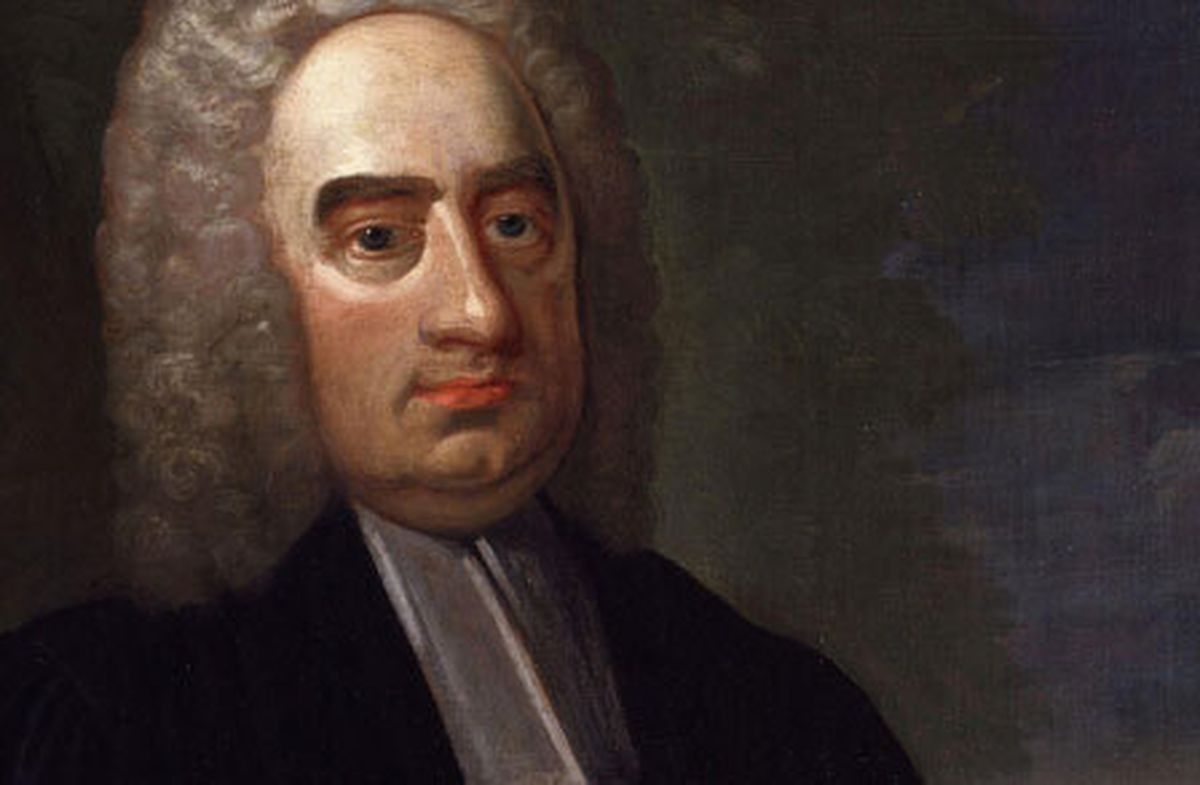
Jonathan Swift
Jonathan Swift (1667–1745)
Jonathan Swift was an influential Anglo-Irish satirist, poet, and essayist, widely regarded as one of the greatest writers in the English language. Born on November 30, 1667, in Dublin, Ireland, Swift was educated at Trinity College and went on to become a prominent figure in both literary and political circles. His keen wit, deep intellect, and biting satire made him a powerful voice in 18th-century England and Ireland, particularly in his critique of societal and political issues.
Swift’s most famous work, Gulliver’s Travels (1726), is a satirical novel that critiques human nature, politics, and society through the fantastical voyages of its protagonist, Lemuel Gulliver. The book’s sharp commentary on imperialism, corruption, and moral flaws established Swift as a master of satire. In addition to Gulliver’s Travels, Swift authored numerous other works, including A Modest Proposal (1729), a satirical pamphlet that famously suggested using impoverished Irish infants as a food source to highlight the dire situation of the poor in Ireland. This shocking piece remains one of the most powerful examples of satirical writing.
A committed political activist, Swift was deeply involved in Irish political affairs and was an outspoken critic of English rule in Ireland. His writing often reflected his opposition to political corruption, social injustice, and the exploitation of the poor.
Despite his immense literary success, Swift’s personal life was marked by loneliness and a struggle with mental health. He spent his later years in relative obscurity, suffering from a debilitating illness. Jonathan Swift passed away on October 19, 1745, leaving behind a legacy of literature that continues to influence writers, philosophers, and political thinkers today. His works remain a cornerstone of Western literature, known for their moral insight, literary innovation, and timeless relevance.