Oscar A. Romero
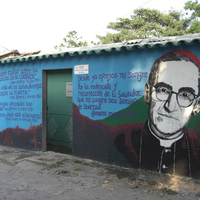
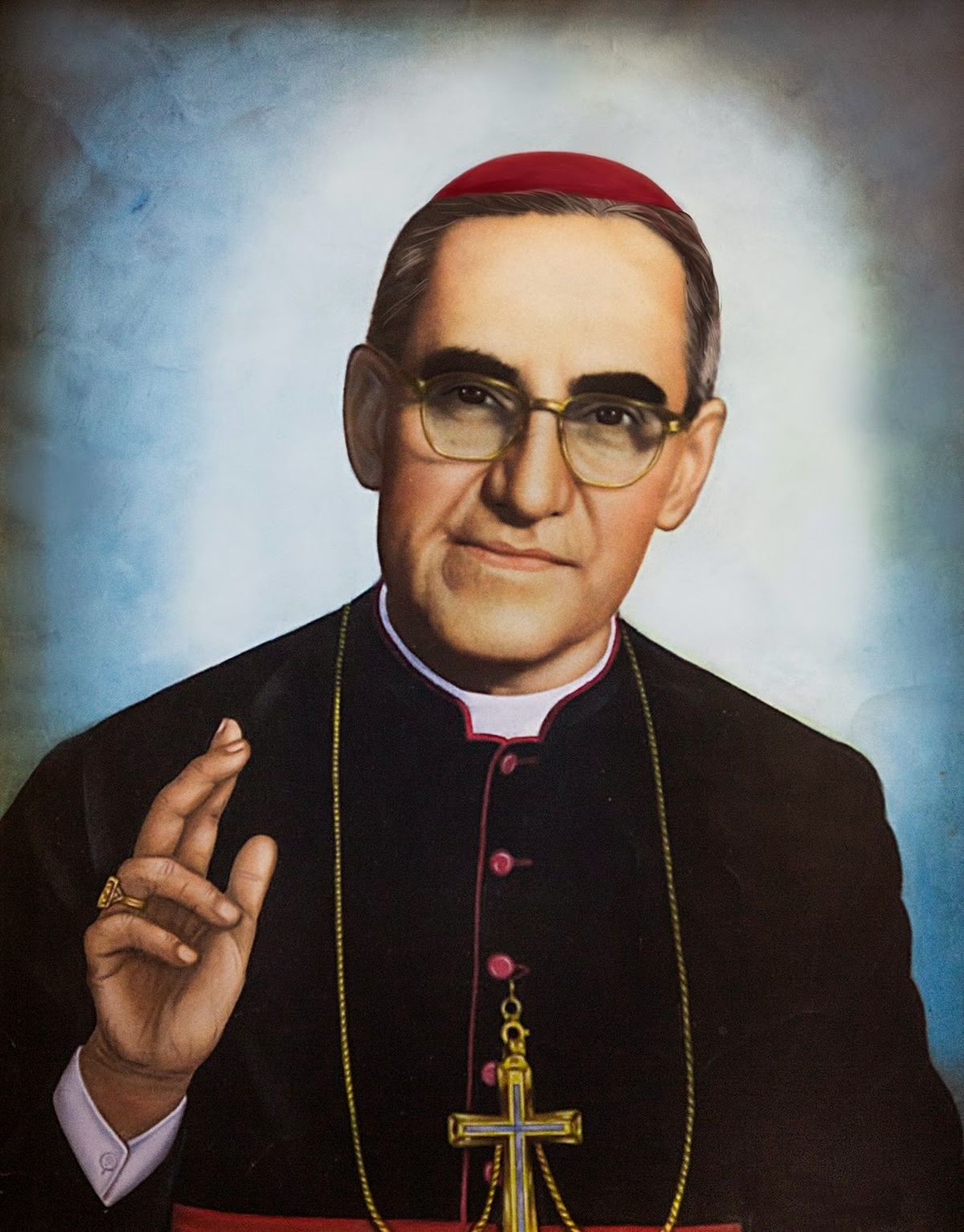
Óscar Arnulfo Romero (1917–1980) was a Salvadoran Roman Catholic archbishop and a revered advocate for social justice, human rights, and the poor. Born in Ciudad Barrios, El Salvador, Romero entered the seminary at a young age, eventually earning a degree in theology in Rome. Ordained a priest in 1942, he became known for his deep spirituality, humility, and commitment to pastoral care.
In 1977, Romero was appointed Archbishop of San Salvador during a period of profound political and social unrest in El Salvador. The country was marked by severe inequality, widespread poverty, and escalating violence as tensions between the ruling elite and marginalized populations gave rise to a brutal civil conflict. Initially perceived as conservative and apolitical, Romero underwent a transformation after the assassination of his close friend and collaborator, Jesuit priest Rutilio Grande, who was murdered for advocating for social justice. This event catalyzed Romero's bold commitment to defending the oppressed and denouncing systemic injustice.
As archbishop, Romero became a powerful voice for the voiceless, using his weekly homilies broadcast across the country to call out human rights abuses, condemn violence, and advocate for peace. His unwavering stance against oppression drew international attention but also made him a target of El Salvador’s military regime.
On March 24, 1980, Romero was assassinated while celebrating Mass in a hospital chapel. His death galvanized the global human rights movement and solidified his legacy as a martyr for justice. In 2018, Romero was canonized by Pope Francis, recognizing his life and sacrifice as a model of Christian faith in action.
Romero’s enduring legacy lies in his courage to confront systemic evil and his commitment to the dignity of every human being, inspiring movements for social justice and peace worldwide.