Exodus 2:1–10, 1 Samuel 16:11–13, Jeremiah 1:4–7, Luke 2:7, 40, 1 Corinthians 1:26–29, Psalm 139:13–16
British author Leonard Ravenhill told the story of a group of tourists visiting a picturesque village where they saw an old man sitting by a fence. In a rather patronizing way, one of the visitors ask...
There is a great difference between successfulness and fruitfulness. Success comes from strength, control, and respectability. A successful person has the energy to create something, to keep control o...
With vainglory, we crave notice of our achievements with pride, we take full credit for the progress we have made and do not think that God has been involved at all, let alone been our indispensible h...
The challenge each of these faced in their deconstruction—and what we may face—is walking the tightrope between becoming our own person and honoring our past. In The Homeless Mind , sociologist P...
James 4:6, Mark 8:36, 1 John 2:17, 1 Corinthians 4:7, Jeremiah 9:23-24, Revelation 3:17
Who, then, are we, we prideful late-twentieth-century creatures? Lord knows, we no longer think of ourselves as belonging to anyone or anything. We do not belong – we own; we possess. And that, to say...
Paul give us an excellent example of what looking at people from a worldly point of view looks like in Philippians chapter 3: If someone else thinks they have reasons to put confidence in the flesh, ...
James 3:17-18, 1 Timothy 3:2-3, John 8:32, Jeremiah 23:5, Isaiah 1:17, Proverbs 29:4, Exodus 18:21
If your success is defined as being well adjusted to injustice and well adapted to indifference, then we don’t want successful leaders. We want great leaders who love the people enough and respect the...
Looking through the lens of Holy Scripture, human work must be seen first and foremost as value contribution, not economic compensation. We can have a flourishing, fruitful life even if we don’t get a...
James 4:1-10, Jeremiah 9:23-24, Mark 7:20-23, Proverbs 15:25-33, Proverbs 16:18, 1 Samuel 18:null, Luke 18:9-11
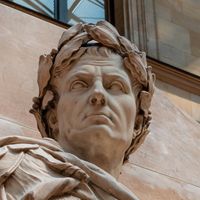
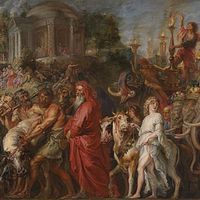
When Julius Caesar returned to Rome after many years of fighting its battles abroad, he planned great festivities and triumphal processions to celebrate his victories over Gaul, Egypt, Pontos, and Afr...
Proverbs 16:18, Psalm 103:14-16, Luke 14:11, Micah 6:8, 1 Peter 5:5-6, James 4:6-10, Jeremiah 9:23-24
If you were to travel back in time to the city of Rome (either during the Republic or the Empire), you may have had the opportunity to witness the Triumph, a colossal spectacle in which the greatest m...
Jeremiah 9:23-24, James 4:10, 2 Timothy 1:7, Joshua 1:9, Mark 8:34-35, Galatians 5:16
Father, we confess to boasting in success and security. We have denied you rather that desire you. We have cowered when we needed to be courageous. Jesus, we long to be people who follow you, no matte...
Matthew 23:12, Proverbs 16:18, Galatians 1:10, Jeremiah 9:23-24, Philippians 2:3-4, James 4:6, John 12:43
If we lack money and power, we can still feel successful if we have the respect of our peers. As a young minister without wealth or power, I loved being called “Reverend.” It was an ego trip for me wh...
We might not say we believe a Jesus-plus-our-efforts idea of the gospel, but when we place our performances on the pedestal of personal progress, we’re not relying on the grace of God. We’re worshipin...
Before Columbus crossed the Atlantic, many believed the world ended somewhere beyond Gibraltar, reflected in Spain’s royal motto: “Ne Plus Ultra,” meaning, “there is no more beyond.” But when Columb...
Eternal God, lead me now out of the familiar setting of my doubts and fears, beyond my pride and my need to be secure into a strange and graceful ease with my true proportions and with yours; ...
Jeremiah 17:10, Mark 4:1-41, Mark 4:19, Matthew 13:22, Matthew 13:18-23, Luke 10:25-37
Thomas Merton describes those who never experience the gift of a contemplative life. His explanation for why some people never experience this can be found in his book, New Seeds of Contemplation: [T...
Leader: Oh God, You have been so gracious to us. You have given us so many wonderful gifts—they outnumber the stars in the sky! You have kept Your promises to us, and You have been faithful! Peop...
Human flourishing is first and foremost a flourishing of relationships—our relationship with God and with others. But human flourishing is also a product of fruitful work that reflects our God who wor...
Matthew 7:3-5, Proverbs 27:2, James 4:6, 1 Corinthians 10:12, Romans 12:3, Luke 18:11-14, Jeremiah 17:9
Researchers at the University of London concluded that “a substantial majority of individuals believe themselves to be morally superior to the average person” and that this illusion of ours is “unique...
Jeremiah 17:9-10, 2 Samuel 12:1-7, Proverbs 16:2, Matthew 7:3-5 , Hebrews 4:12-13 , Psalm 139:23-24
He is a bold surgeon, they say, whose hand does not tremble when he performs an operation upon his own person; and he is often equally bold who does not hesitate to pull off the mysterious veil of sel...
People: Oh God, whose name is great in all the earth, You have been good and gracious to give us Your name and for making Yourself known through your titles, qualities, regulations, word, and works. Y...
Matthew 6:33, Colossians 3:23, Psalm 39:6, Luke 12:15, Acts 15:29, Matthew 5:14-16, Ephesians 2:10, 1 Corinthians 10:31, Jeremiah 9:23-24, Matthew 16:24, Luke 9:62, 2 Corinthians 4:8-9, James 1:12, Romans 8:16-17, Galatians 2:20
The true story of Eric Liddell and Harold Abrahams, two British sprinters who qualified for the 1924 Olympic Games, illustrates two contrasting approaches to life and identity. Abrahams was driven by ...
The myth seems to be that you’re born with some magic combination of parents, DNA, and lucky breaks, and they conspire to determine what you accomplish in life. Nonsense. And a good thing, too, becaus...
Preaching Commentary Context A Dire Warning All the way back in the Pentateuch God warned the people of Israel that their residency in the promised land was predicated upon their obedience to the ...
John 1:14, Psalm 139:7-10, Jeremiah 23:23-24, Matthew 28:20, Acts 17:27-28
The great pattern of life is the ecstasy and intimacy of God, who went out of the self to the extreme point, and so dwells among us in an intimacy we can hardly imagine.
We have an outdoor church readerboard (yep, manual, press-in-the-grooves-black-plastic-letters) near a busy street that I enjoy changing every couple of weeks. The challenge of saying something meanin...