Proverbs 1:5, Jeremiah 9:23-24, Matthew 11:25, James 1:21, Colossians 2:3, Matthew 18:3
Becoming a teachable person has two prerequisites: There must be a teacher and a person willing to be taught. Increasingly, Western culture has become an environment that celebrates and platforms the ...
Proverbs 16:18, Psalm 103:14-16, Luke 14:11, Micah 6:8, 1 Peter 5:5-6, James 4:6-10, Jeremiah 9:23-24
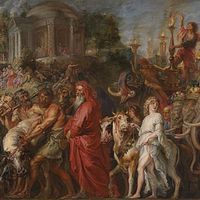
If you were to travel back in time to the city of Rome (either during the Republic or the Empire), you may have had the opportunity to witness the Triumph, a colossal spectacle in which the greatest m...
Exodus 2:1–10, 1 Samuel 16:11–13, Jeremiah 1:4–7, Luke 2:7, 40, 1 Corinthians 1:26–29, Psalm 139:13–16
British author Leonard Ravenhill told the story of a group of tourists visiting a picturesque village where they saw an old man sitting by a fence. In a rather patronizing way, one of the visitors ask...
The challenge each of these faced in their deconstruction—and what we may face—is walking the tightrope between becoming our own person and honoring our past. In The Homeless Mind , sociologist P...
Isaiah 9:6-7, Micah 5:2-4 , Jeremiah 23:5-6, Luke 2:8-14 , Matthew 2:1-12 , Psalm 96:1-3
We know instinctively that Christmas is more than shopping mall Santas, silver bells, and snow-flocked trees, but such things are so entangled with our impressions of Christmas that it’s hard to kn...
Jeremiah 17:7-8, Colossians 2:6-7, Psalm 1:3, Ephesians 3:16-19, Matthew 13:3-8, Mark 4:1-9
The word radical comes from the same root as the word radish and literally means “root.” It’s truly a root word! But apart from the painful pun, it has something to teach us. So often, when we think o...
Luke 6:17-26, Matthew 5:1-12, Luke 4:33, Luke 16:19-31, Psalm 9:10, Psalm 12:6, Isaiah 41:17, Zephaniah 3:12, Luke 4:18, James 4:8-10, Luke 5:11, 28, Luke 14:25-33, 1 Peter 4:14, Jeremiah 17:5-10, Jeremiah 6:13
The context The beatitudes are one of the most well-known aspects of Jesus teaching. As in the more familiar account in Matthew (5:1-12), Luke presents these words as Jesus’ first public teaching; hi...
Luke 6:17-26, Matthew 5:1-12, Luke 4:33, Luke 16:19-31, Psalm 9:10, Psalm 12:6, Isaiah 41:17, Zephaniah 3:12, Luke 4:18, James 4:8-10, Luke 5:11, 28, Luke 14:25-33, 1 Peter 4:14, Jeremiah 6:13
Preaching Commentary The context The beatitudes are one of the most well-known aspects of Jesus teaching. As in the more familiar account in Matthew (5:1-12), Luke presents these words as Jesus’ fi...
Matthew 7:3-5, Proverbs 27:2, James 4:6, 1 Corinthians 10:12, Romans 12:3, Luke 18:11-14, Jeremiah 17:9
Researchers at the University of London concluded that “a substantial majority of individuals believe themselves to be morally superior to the average person” and that this illusion of ours is “unique...
James 4:1-10, Jeremiah 9:23-24, Mark 7:20-23, Proverbs 15:25-33, Proverbs 16:18, 1 Samuel 18:null, Luke 18:9-11
When Julius Caesar returned to Rome after many years of fighting its battles abroad, he planned great festivities and triumphal processions to celebrate his victories over Gaul, Egypt, Pontos, and Afr...