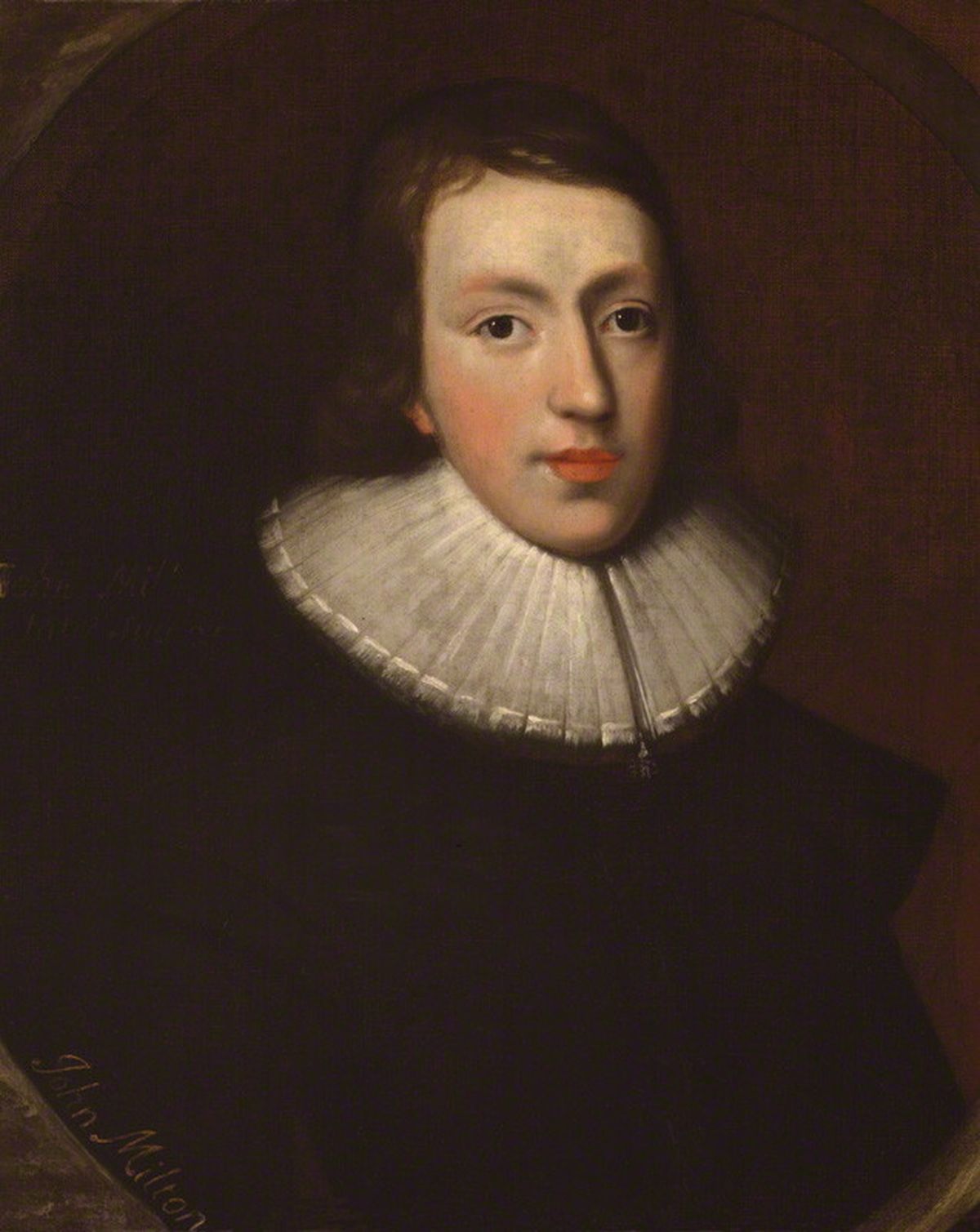
John Milton
John Milton (1608–1674) was a towering figure in English literature, best known for his epic poem Paradise Lost, which explores the themes of human freedom, divine justice, and redemption. Born in London, Milton received a rigorous education, attending St. Paul’s School and later Christ’s College, Cambridge. A gifted scholar, he excelled in classical languages, theology, and philosophy, disciplines that deeply influenced his literary works.
Milton’s early poetry, including L'Allegro and Il Penseroso, showcased his mastery of lyrical verse, while Lycidas remains one of the greatest elegies in the English language. His prose writings, particularly during the English Civil War and Interregnum, revealed his deep commitment to liberty, freedom of conscience, and republican ideals. Works such as Areopagitica, a passionate defense of free speech and press, have had a lasting impact on political thought.
Despite personal and political turmoil, including blindness in his forties and the restoration of the monarchy, Milton completed Paradise Lost in 1667. This magnum opus recounts the fall of Satan and humanity’s expulsion from Eden, combining profound theological insights with Milton’s belief in the power of human agency. Its sequel, Paradise Regained, and the tragedy Samson Agonistes further explore themes of faith, perseverance, and redemption.
Milton’s influence extends beyond his literary achievements. His works have shaped English poetry and prose for centuries, with his bold use of blank verse and complex, allusive style inspiring countless writers. His unwavering belief in individual freedom and divine providence resonated with readers of his time and continues to speak to modern audiences.
A man of immense intellect, faith, and resilience, John Milton remains one of the greatest poets and thinkers in the Western literary tradition, revered for his artistic genius and moral vision.