Proverbs 16:18, Psalm 103:14-16, Luke 14:11, Micah 6:8, 1 Peter 5:5-6, James 4:6-10, Jeremiah 9:23-24
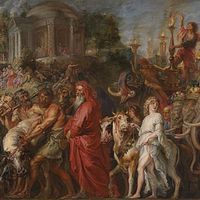
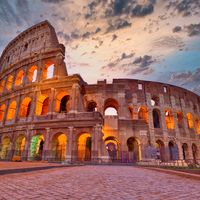
If you were to travel back in time to the city of Rome (either during the Republic or the Empire), you may have had the opportunity to witness the Triumph, a colossal spectacle in which the greatest m...
Matthew 22:37-39, Matthew 25:35-40, Luke 3:11, Ephesians 5:2, Acts 2:42-47, James 2:14-17, Galatians 2:10, Psalm 72:12-14
A passage often referred to in order to describe the sacrificial, countercultural quality of the early church comes to us interestingly enough, from one of its strongest critics, known later to histor...
Isaiah 57:15, Mark 10:43-45, James 4:6, Ephesians 4:2, Micah 6:8, Matthew 23:12
In the Greco-Roman world of Paul’s day, humility was a despised trait. They viewed it as a sign of weakness. And our culture today is no different from that world of two thousand years ago. Maybe it’s...
Revelation 2:10, Psalm 71:20-21, Philippians 3:10-14, Luke 21:16-19, 2 Corinthians 4:17-18, Romans 8:17-18, James 1:12
One of the great leaders of the first generation after the apostles was a man named Polycarp. Polycarp, it is believed, was discipled by the apostle John and carried out a long and fruitful ministry i...
Luke 3:8, 1 Samuel 16:7, Isaiah 1:17, Micah 6:8, James 2:1
In the Christian faith, we frequently take for granted how radically Jesus evens the playing field. No matter your wealth, your position, let alone your race or gender, all of us are equal in God’s ey...
Matthew 2:11, James 1:17, Matthew 2:1-12, 2 Corinthians 9:7, Proverbs 22:9, 1 Timothy 6:18, John 3:16
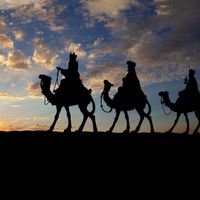
While Christmas traditions vary the world over, gift-giving is a central practice just about anywhere Christ's birth is celebrated. Sometimes gifts are exchanged on December 6, the feast day of S...
Philippians 3:20, John 17:28-38, John 18:36, Hebrews 13:14, Hebrews 11:8-10, Matthew 22:21, Romans 13:1, 1 John 2:16, James 4:4, Genesis 11:1-9
In 410 AD, Rome fell to the barbarian Germanic tribe known as the Visigoths, led by King Alaric. The idea of a “Christian” city (and empire) falling was a terrible defeat, not just militarily, but als...
James 4:1-10, Jeremiah 9:23-24, Mark 7:20-23, Proverbs 15:25-33, Proverbs 16:18, 1 Samuel 18:null, Luke 18:9-11
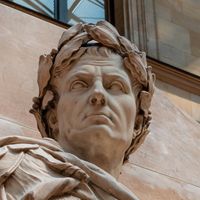
When Julius Caesar returned to Rome after many years of fighting its battles abroad, he planned great festivities and triumphal processions to celebrate his victories over Gaul, Egypt, Pontos, and Afr...
James 1:27, Hebrews 13:2-3, 1 Peter 2:12, Galatians 6:10, Romans 12:13, Acts 2:44-45
The fourth-century emperor Julian (AD 331-336) feared [Christians] might take over the empire. Referring to Christians as “Galileans” and Christianity as “atheism” (because of their denial of the exis...
James 1:27, Isaiah 1:17, Psalm 68:5, Matthew 25:34-40, 1 Timothy 5:3-4, Zechariah 7:9-10, Matthew 12:48-50, Romans 8:14-17, Luke 4:18, Acts 4:34-35, James 2:15-16
Christianity revitalized life in Greco-Roman cities by providing new norms and new kinds of social relationships able to cope with many urgent urban problems. To cities filled with the homeless and im...
Colossians 3:12, Romans 12:3, 1 Peter 3:8, Proverbs 22:4, James 4:6, Philippians 2:5-8, Luke 18:14
In the Greco-Roman world of Paul’s day, humility was a despised trait. They viewed it as a sign of weakness. And our culture today is no different from that world of two thousand years ago. Maybe it’s...
James 2:13, Matthew 5:7, Zechariah 7:9-10, Proverbs 21:3, Micah 6:8
Zaleusus flourished as king of the ancient Greek Locrians in about 500 B.C. His government over the Locrians was severe but just. In one of his decrees he forbade the use of wine unless it were prescr...
Matthew 22:39, Philippians 2:3-4, 1 Corinthians 10:24, Romans 15:1-2, Galatians 6:10, Romans 12:10, Acts 20:35, Matthew 25:35-40, Isaiah 58:6-7, Proverbs 19:17, Luke 10:30-37, James 2:15-16, 1 John 3:17, Proverbs 31:8-9, Matthew 25:40, Acts 11:29-30, 2 Corinthians 8:13-15, Acts 2:44-45, Acts 4:32-35, 1 Corinthians 12:25-26
Pursuing the common good has been a strong marker of the Christian church from the very beginning. The early church had many habits that they became known for, of course—including meeting frequently, ...
One of the great lies humans have been told is that if we gain enough power and influence, we can be remembered and make a lasting impact. In his short poem Ozymandias , Percy Bysshe Shelley highligh...
Revelation 2:10, Matthew 5:10-12, 2 Timothy 4:7-8, 1 Peter 4:12-13, James 1:12, Psalm 46:1-3
Like a scene straight out of Gladiator, Polycarp was dragged into the Roman Colosseum. Discipled by the apostle John himself, the aged bishop faithfully and selflessly led the church at Smyrna through...
Revelation 3:15-16, Matthew 6:24, James 1:6-8, Luke 14:34-35, Revelation 2:4-5, 1 Corinthians 15:1-4, 1 Corinthians 1:18
Thomas Linacre was king’s physician to Henry VII and Henry VIII of England, founder of the Royal College of Physicians, and friend of the great Renaissance thinkers Erasmus and Sir Thomas More. Late i...
2 Timothy 2:12, James 1:2-4, Matthew 5:11-12, Philippians 1:29, Romans 8:18, 2 Corinthians 4:17, John 15:20
Nevertheless, what was shameful, even odious, to the critics of Christ, was in the eyes of his followers most glorious. They had learnt that the servant was not greater than the master, and that for t...
Matthew 7:21-23, James 1:22-24, Mark 7:20-23, Matthew 26:14-16, Proverbs 25:28, Psalm 127:1, Matthew 23:27-28
Whenever there is a separation between values and practice, things break down. In ancient China, the people desired security from the barbaric, invading hordes to the north. To get this protection, th...
Acts 1:9-11, 1 Thessalonians 1:9-10, 1 Thessalonians 4:16-17, Philippians 3:20-21, James 5:7-8, Revelation 22:20, Luke 21:27-28, Matthew 24:42-44
The early apostolic communities cannot be understood outside of the matrix of intense expectation. They were communities awaiting Christ’s return. They gathered in Eucharist for, among other reasons, ...
The Leader and People pray responsively Father, we pray for your holy Catholic Church; That we all may be one. Grant that every member of the Church may truly and humbly serve you; That your Nam...
1 Corinthians 4:15-17, James 5:7, Matthew 25:31-32, Titus 2:13, Revelation 22:12-13
Paul’s term for the return of Jesus is called the parousia. Parousia was used to describe an imperial visit by a king to a city. People would send a delegation outside the city gates to greet the dign...
Genesis 3:1-7 , Exodus 32:1-6 , Ecclesiastes 2:1-11, Psalm 73:25-26, Matthew 4:1-11 , James 1:13-15
The church fathers consistently acknowledged the beauty and goodness of desire (e.g., Augustine, above), but they were not naive to the potential for desire to be bent by sin. They knew that our longi...
Luke 6:17-26, Matthew 5:1-12, Luke 4:33, Luke 16:19-31, Psalm 9:10, Psalm 12:6, Isaiah 41:17, Zephaniah 3:12, Luke 4:18, James 4:8-10, Luke 5:11, 28, Luke 14:25-33, 1 Peter 4:14, Jeremiah 17:5-10, Jeremiah 6:13
The context The beatitudes are one of the most well-known aspects of Jesus teaching. As in the more familiar account in Matthew (5:1-12), Luke presents these words as Jesus’ first public teaching; hi...
Modern Language Version Almighty God, who has given us this good land for our heritage: We humbly ask that we may always prove ourselves a people mindful of your favor and glad to do your will. Bles...
2 Corinthians 7:1, 1 Corinthians 11:28-29, Ephesians 4:2, James 4:10, 1 John 1:9
Lord Jesus Christ, who when you were about to institute your holy Sacrament at the Last Supper washed the feet of the apostles, teach us by your example the grace of humility: Cleanse us, we beseech y...
Genesis 18:25, Leviticus 19:2, Deuteronomy 34:2, Romans 1:18-20, James 1:17
This capriciousness of the gods is diametrically opposed to the biblical view. The God of Creation is not at all morally indifferent. On the contrary, morality and ethics constitute the very essence o...
Isaiah 29:13, Amos 5:21-24, Proverbs 1:7, James 1:22-25 , Matthew 23:27-28, Psalm 51:16-17
We artful dodgers act as if we do not understand the New Testament, because we realize full well that [if we let on that we did] we should have to change our way of life drastically. That is why we in...
Ancient Lens How can we learn from the historical context? The Purpose of Matthew's Gospel Matthew didn’t write his Gospel merely to record facts about Jesus’ life, death, and resurrection. H...
Luke 2:46-47, Psalm 119:105, John 15:10, Matthew 4:1-11, Philippians 2:8, James 1:22
It is easy to observe that Jesus was far from uneducated. He was perfectly at home both in holy scripture and in oral tradition, and he knew how to apply this scholarly heritage.