Colossians 3:5, 2 Corinthians 10:4-5, 1 John 2:16, James 1:14-15, Romans 8:1-2, Galatians 5:16-17
The early church fathers named the primary sin patterns “passions,” borrowing a Latin term that could also be translated “sufferings ” As we live out a unique pattern or “face” of sin, we begin to thi...
Acts 1:9-11, 1 Thessalonians 1:9-10, 1 Thessalonians 4:16-17, Philippians 3:20-21, James 5:7-8, Revelation 22:20, Luke 21:27-28, Matthew 24:42-44
The early apostolic communities cannot be understood outside of the matrix of intense expectation. They were communities awaiting Christ’s return. They gathered in Eucharist for, among other reasons, ...
Matthew 22:39, Philippians 2:3-4, 1 Corinthians 10:24, Romans 15:1-2, Galatians 6:10, Romans 12:10, Acts 20:35, Matthew 25:35-40, Isaiah 58:6-7, Proverbs 19:17, Luke 10:30-37, James 2:15-16, 1 John 3:17, Proverbs 31:8-9, Matthew 25:40, Acts 11:29-30, 2 Corinthians 8:13-15, Acts 2:44-45, Acts 4:32-35, 1 Corinthians 12:25-26
Pursuing the common good has been a strong marker of the Christian church from the very beginning. The early church had many habits that they became known for, of course—including meeting frequently, ...
Matthew 22:37-39, Matthew 25:35-40, Luke 3:11, Ephesians 5:2, Acts 2:42-47, James 2:14-17, Galatians 2:10, Psalm 72:12-14
A passage often referred to in order to describe the sacrificial, countercultural quality of the early church comes to us interestingly enough, from one of its strongest critics, known later to histor...
Romans 12:1, Matthew 22:37-38, James 2:14-17, John 14:15, Luke 9:23, Philippians 2:5-8, Romans 10:9-10, Psalm 1:1-6
New Testament theology is ‘inherently self-involving as it summons the reader to believe, confess, obey, and understand the entirety of one’s existence—both her or his thinking and willing—in light of...
Revelation 2:10, Psalm 71:20-21, Philippians 3:10-14, Luke 21:16-19, 2 Corinthians 4:17-18, Romans 8:17-18, James 1:12
One of the great leaders of the first generation after the apostles was a man named Polycarp. Polycarp, it is believed, was discipled by the apostle John and carried out a long and fruitful ministry i...
James 1:27, Isaiah 1:17, Psalm 68:5, Matthew 25:34-40, 1 Timothy 5:3-4, Zechariah 7:9-10, Matthew 12:48-50, Romans 8:14-17, Luke 4:18, Acts 4:34-35, James 2:15-16
Christianity revitalized life in Greco-Roman cities by providing new norms and new kinds of social relationships able to cope with many urgent urban problems. To cities filled with the homeless and im...
Revelation 2:10, Matthew 5:10-12, 2 Timothy 4:7-8, 1 Peter 4:12-13, James 1:12, Psalm 46:1-3
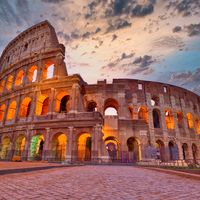
Like a scene straight out of Gladiator, Polycarp was dragged into the Roman Colosseum. Discipled by the apostle John himself, the aged bishop faithfully and selflessly led the church at Smyrna through...
1 Peter 2:1-12, 1 Peter 2:1, 1 Peter 2:9 -10, Titus 3:4-5, 1 John 1:9, James 4:7-8, Colossians 3:12-14
Pastor: Peter calls on believers in exile to rid themselves of those things that would point themselves and others away from Christ. Like the early church, we too are to rid ourselves of all mali...
After the fall of our first parents, boundaries were something to push past, to transgress. It’s worth pausing to note how we use the word transgression for “sin.” With its Latin roots, “across” and ...
Luke 6:17-26, Matthew 5:1-12, Luke 4:33, Luke 16:19-31, Psalm 9:10, Psalm 12:6, Isaiah 41:17, Zephaniah 3:12, Luke 4:18, James 4:8-10, Luke 5:11, 28, Luke 14:25-33, 1 Peter 4:14, Jeremiah 17:5-10, Jeremiah 6:13
The context The beatitudes are one of the most well-known aspects of Jesus teaching. As in the more familiar account in Matthew (5:1-12), Luke presents these words as Jesus’ first public teaching; hi...
James 3:1-12, James 1:17, Jeremiah 17:9, Proverbs 18:21
Preaching Commentary The Dangers of Our Words No matter how much we might wish it weren’t the case, the perception others have of us is directly connected to the words (and actions) we use througho...
James 3:1-12, James 1:17, Jeremiah 17:9, Proverbs 18:21
The Dangers of Our Words No matter how much we might wish it weren’t the case, the perception others have of us is directly connected to the words (and actions) we use throughout our lives. Most of u...
Ephesians 5:11, Galatians 5:19-21, Proverbs 6:16-19, 1 John 1:8-9, James 1:14-15, Isaiah 59:2
President Calvin Coolidge returned home from attending church early one Sunday afternoon. His wife had been unable to attend, but she was interested in what the minister spoke on in the service. Cooli...
Luke 6:17-26, Matthew 5:1-12, Luke 4:33, Luke 16:19-31, Psalm 9:10, Psalm 12:6, Isaiah 41:17, Zephaniah 3:12, Luke 4:18, James 4:8-10, Luke 5:11, 28, Luke 14:25-33, 1 Peter 4:14, Jeremiah 6:13
Preaching Commentary The context The beatitudes are one of the most well-known aspects of Jesus teaching. As in the more familiar account in Matthew (5:1-12), Luke presents these words as Jesus’ fi...
Summary of the Text James, the brother of Jesus, the leader of the earliest Christian church in Jerusalem, writes this letter to scattered Jewish believers who are going through very difficult times....
Ancient Lens How can we learn from the historical context? The Purpose of Matthew's Gospel Matthew didn’t write his Gospel merely to record facts about Jesus’ life, death, and resurrection. H...
Ancient Lens How can we learn from the historical context? The Purpose of Matthew's Gospel Matthew didn’t write his Gospel merely to record facts about Jesus’ life, death, and resurrection. H...
Preaching Commentary Summary of the Text James, the brother of Jesus, the leader of the earliest Christian church in Jerusalem, writes this letter to scattered Jewish believers who are going throug...
An experienced gardener knows the value of not watering their tomatoes. Well, there's a little more to it, but that's the headline. Suppose you go to the nursery in the spring and get a tom...
Matthew 9:9-13, James 2:13, Mark 7:24-30, Ephesians 2:13-14, Luke 15:1-7
In the Second World War, a group of soldiers were fighting in the rural countryside of France. During an intense battle, one of the American soldiers was killed. His comrades did not want to leave his...
Editors Note: This is perhaps less a review as a jumping off part to articulate some thoughts I developed while reading The Minority Experience. For a full review of the title, a cursory google search...
John 3:19-20, Luke 5:8, Isaiah 6:5, Hebrews 4:13, 2 Corinthians 5:17, Hebrews 12:29, James 1:22
I am still haunted by a long conversation I had with a man who was a member of one of my early congregations. . . . He had a stunning vision of the presence of the risen Christ . . . [and] had never t...
Isaiah 61:3, John 11:32-35, Romans 8:28, Genesis 37:50, James 1:17, Romans 6:23 , 1 Corinthians 12:28
A preaching professor at Harvard University tells the story of the year his 5-year-old son was working on an art project in his kindergarten class. It was made of plaster, resembled nothing in particu...
Matthew 5:7, Philippians 2:1-2, James 3:17, Proverbs 17:9, Luke 6:36, 1 Peter 3:8
I love the following story because it illustrates both our natural defensiveness when we are attacked and the potential for transformation. As the illustration demonstrates, this is only possible when...
Revelation 3:15-16, Matthew 6:24, James 1:6-8, Luke 14:34-35, Revelation 2:4-5, 1 Corinthians 15:1-4, 1 Corinthians 1:18
Thomas Linacre was king’s physician to Henry VII and Henry VIII of England, founder of the Royal College of Physicians, and friend of the great Renaissance thinkers Erasmus and Sir Thomas More. Late i...
Luke 3:8, 1 Samuel 16:7, Isaiah 1:17, Micah 6:8, James 2:1
In the Christian faith, we frequently take for granted how radically Jesus evens the playing field. No matter your wealth, your position, let alone your race or gender, all of us are equal in God’s ey...
1 Corinthians 12:12-27, Ephesians 4:15-16, Revelation 3:1-3, James 2:17, Matthew 16:18, Hebrews 10:24-25, 1 Peter 2:4-5, Romans 12:4-5, Acts 2:42-47, 1 Corinthians 3:9
The story goes about a young man (or woman!) with dreams of growing a small church nestled in rural Oklahoma. Despite his relentless efforts, the church continued to teeter on the edge of extinction a...
Philippians 3:20, John 17:28-38, John 18:36, Hebrews 13:14, Hebrews 11:8-10, Matthew 22:21, Romans 13:1, 1 John 2:16, James 4:4, Genesis 11:1-9
In 410 AD, Rome fell to the barbarian Germanic tribe known as the Visigoths, led by King Alaric. The idea of a “Christian” city (and empire) falling was a terrible defeat, not just militarily, but als...
Isaiah 61:1-3, 2 Kings 5:1-14 , Jeremiah 33:6, Luke 4:18-21, James 5:14-15, Psalm 103:2-4
Leader: Let us pray for the whole Church of God in Christ Jesus and for all people according to their needs. Brief silence Leader: Heavenly Father, with joy the Church continues to celebra...