John Stott
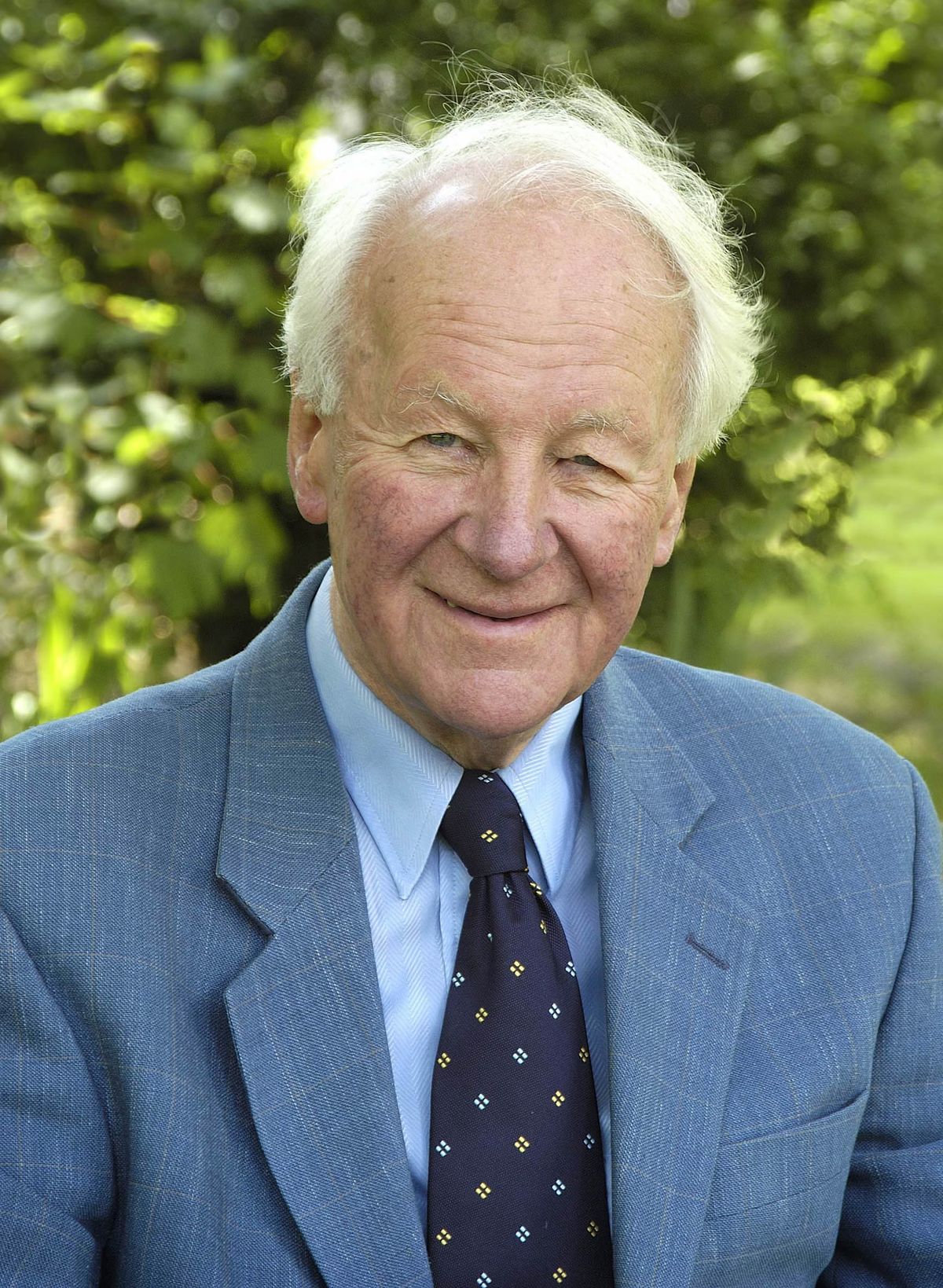
John Stott (1921–2011) was a renowned British theologian, Anglican priest, and one of the most influential leaders in the global evangelical movement of the 20th century. A gifted preacher, teacher, and writer, Stott’s contributions to Christian theology and the global church continue to impact countless individuals and communities worldwide. He is perhaps best known for his books Basic Christianity and The Cross of Christ, which have become foundational texts for evangelical Christians seeking a deeper understanding of faith, salvation, and the nature of Christ’s atoning work.
Stott’s intellectual rigor and passion for Scripture shaped his ministry and leadership, particularly during his tenure as the rector of All Souls Church, Langham Place in London, where he served for more than 25 years. His preaching ministry was marked by clarity, theological depth, and a commitment to making the gospel relevant in the modern world. Stott's influence expanded beyond the pulpit as he became a key figure in the Lausanne Movement, co-writing the Lausanne Covenant in 1974, which called for the worldwide church to embrace both evangelism and social responsibility.
A champion of social justice and compassion for the marginalized, Stott strongly advocated for the role of the church in addressing global poverty, inequality, and human rights. His holistic approach to mission—emphasizing both word and deed—became a defining characteristic of his ministry and theological legacy.
John Stott’s impact also extended through his teaching, having mentored a generation of leaders and theologians. He was a prominent voice for a biblically faithful, intellectually rigorous, and socially engaged Christianity. His life’s work continues to inspire and challenge Christians to live faithfully, act justly, and love compassionately, following the example of Jesus Christ. Stott's profound legacy endures in the global church, and his writings remain central to evangelical theology today.