Genesis 22:1-19, Exodus 32:1-35, Ecclesiastes 1:1-18, Matthew 20:1-16 , John 6:53-66, Psalm 73:1-28
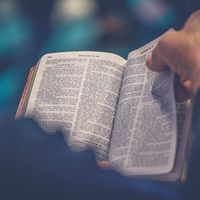
Thomas Merton’s words about the Bible in general apply to the Old Testament in particular: There is, in a word, nothing comfortable about the Bible — until we manage to get so used to it that we ...
Many of the modern controversies surrounding the Bible—for example, human sexuality, creationism and the “openness” of God—revolve around questions concerning hermeneutics. The science of hermeneutics...
Martin Luther said that every Christian ought to read the Bible from cover to cover every year. But, likening the Bible to a forest, he also said that reading the Bible doesn’t become really enjoyable...
When the Reformers broke with Rome and claimed the view that the Bible was to be the supreme authority of the church (sola Scriptura), they were very careful to define basic principles of interpretati...
Genesis 1:1–3 , Exodus 20:1–17, Daniel 6:16–23, Luke 10:25–37, Romans 3:21–26, Psalm 119:105
In the sixteenth century the Reformers declared their total confidence in what they called the perspicuity of Scripture. What they meant by that technical term was the clarity of Scripture. They maint...
Genesis 12:1–3, Exodus 3:1–12, Isaiah 53:, Matthew 22:15–22 , John 4:1–42 , Acts 17:16–34
The world of Jesus was not the Old Testament Hebrew world. Like the United States now, Israel was multicultural, including a combination of Aramaic, Greek, and Roman influences. The people looked Jewi...
Genesis 1:1-2 , Isaiah 11:1-2, Ezekiel 36:26-27, Matthew 3:16-17 , Psalm 51:10-12 , John 14:16-17
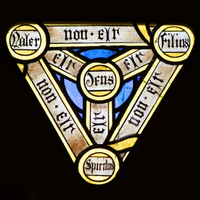
The Bible teaches us that the Holy Spirit is a living being. He is one of the three Persons of the Holy Trinity. To explain and illustrate the Trinity is one of the most difficult assignments to a Chr...
Exodus 20:1–17, Genesis 22:1–14 , Micah 6:6–8 , Luke 10:25–37 , Matthew 5:17–20, Psalm 82:3–4
Interpretive strategies have gone through cycles of strict-constructionist (or Originalism) and broad-constructionist (or Living Constitution) perspectives. Originally the procedure of interpreting th...
Ancient lens What’s the historical context? Psalm of Lament or Psalm of Trust? We’ve categorized this psalm under the psalms of lament. The psalms of lament highlight the problems and enemies tha...
Context Prophecy: Not Just Future-Telling When confronted with the question of the purpose of the prophetic books in the Old Testament, it is commonly supposed that their primary purpose is future t...
Ancient lens What’s the historical context? Psalm of Lament or Psalm of Trust? We’ve categorized this psalm under the psalms of lament. The psalms of lament highlight the problems and enemies tha...
Context Prophecy: Not Just Future-Telling When confronted with the question of the purpose of the prophetic books in the Old Testament, it is commonly supposed that their primary purpose is future t...
Mark 4:35-41, Job 38:1-11, Psalm 107:, Jonah 1:, Genesis 1:, Matthew 8:23-27, Luke 8:22-25, Psalm 74:14, Psalm 104:26, Genesis 1:21
A Sopping Wet Week in the Lectionary Today’s readings are thoroughly wet. In Job, God is master of the sea, Psalm 107 concerns mariners in the storm, Paul is a little drier, but still gets shipwrecke...
Hosea 1:2-10, John 1:13, Psalm 85:null, Genesis 18:20-32, Psalm 138:null, Hosea 1:null, Colossians 2:6-15, Luke 11:1-13, Colossians 1:15-28
The Good News or the Bad News? Which do you want first: the good news or the bad news? Well, if you’re preaching Hosea these next two weeks, it doesn’t matter what you want. You’re getting the bad ...
Job 38:1-11, Genesis 1:, Matthew 8:23-27, Luke 8:22-25, Psalm 74:14, Psalm 104:26, Genesis 1:21
Note: This was originally part of a guide for the Fifth Sunday after Pentecost (RCL Year B) , which includes Job 38:1-11 and Mark 4:35-11 . I have adapted the discussion of each of these t...
Genesis 1:3-4, John 8:12-20, 1 John 1:5-10, Psalm 27:, Matthew 4:12-17
In The Lost World of Genesis One , John Walton points out that the creation of light and the division of day and night is profoundly puzzling if we understand light in the modern way, as a material o...
2 Timothy 3:14-4:5, 2 Timothy 3:14-17, 2 Timothy 4:1-5, Matthew 4:5, 1 Corinthians 9:13, Genesis 2:7, 1 Peter 2:4-5
Introduction In Paul’s second extant letter to his beloved Timothy, the passage of 3:10-4:5 records Paul’s final charge to Timothy. Calling on Timothy’s trust of Paul’s ministry and character (3:10-1...
Romans 12:2, John 15:18-19, Psalm 24:1-2, Micah 6:6-8, Genesis 1:31
We need to be careful to define what the Bible does and does not mean by “the world.” It does not mean the created order—mountains, lakes, forests, deserts, seas, animals and people—especially people...
Genesis 22:1-14, Exodus 14:21-31, Micah 6:6-8, Matthew 22:36-40 , James 1:22-25, Psalm 119:105
Søren Kierkegaard offers two suggestions for the reader who tackles difficult portions of the Bible. First, read it like a love letter, he says. As you struggle with language, culture, and other barri...
Genesis 15:5, Isaiah 41:8, Isaiah 2:2-4, Matthew 28:16-20, John 12:32, Acts 2:1-11
The central vision of world history in the Bible is that all of creation is one, every creature in community with every other, living in harmony and security toward the joy and well-being of every oth...
Sometimes great stories introduce the protagonist in the very first paragraph. In Charles Dickens’s Great Expectations, for example, we are immediately introduced to Pip, the central figure of the nov...
Context A Dire Warning All the way back in the Pentateuch God warned the people of Israel that their residency in the promised land was predicated upon their obedience to the Torah . This can be ...
Ancient Lens What can we learn from the historical context? The Old, Old Story Jesus’ resurrection and ascension (and perhaps Pentecost) are the resolution of a story that starts with all the way...
Luke 20:27-38, Mark 12:18-27, Matthew 22:23-33, 1 Corinthians 15:, Genesis 2:18-25
Ancient Lens What can we learn from the historical context? Worldviews Collide In this passage, we have a clash of worldviews similar to some that we find today. While the Sadducees were not mat...
From its very beginning the Bible sees human life in terms of relationships...The Bible does not speak about "humanity" but about "all the families of the earth" or "all the n...
The Bible has its own garden path. It runs from Genesis to Revelation. In fact, some of the most important events in the Christian faith take place in Biblical gardens, evens around which Christianity...
Genesis 2:8, Genesis 3:23-24, Exodus 15:27, Song of Solomon 4:12-15, John 18:1, Matthew 26:36
The Bible has its own garden path. It runs from Genesis to Revelation. In fact, some of the most important events in the Christian faith take place in Biblical gardens, evens around which Christianity...
Ancient Context What’s the historical context? The Tower of Babel The story of the Tower of Babel comes after many chapters relating the story of Noah, the flood, and the covenant with Noah and...
Revelation 21:10, Revelation 21:2, 10, 22-27, Revelation 22:1-5, 1 Kings 6:20, Genesis 12:1-3, Genesis 2:9, Genesis 3:23-24, Genesis 1:28, Genesis 2:15, Genesis 3:17-19, 1 Corinthians 15:58, Ephesians 6:5-9, Colossians 3:23, Genesis 1:26-27, Exodus 33:20-23, John 14:9, Colossians 1:15, Hebrews 1:3, Mark 15:34, 2 Corinthians 5:21, Exodus 28:15-21, 29-30, John 4:13-14, John 7:37-38, Matthew 27:46, John 3:2, Romans 8:29
Pulling Back the Curtain The Revelation of Jesus Christ is a “pulling back of the curtain” to reveal both the unseen realities of the present (what is really going on in the world from God’s perspect...
Proverbs 4:23, Genesis 4:3–7, Ezekiel 36:26 , Luke 6:43-45 , Matthew 15:18-19, Psalm 51:10
When the Bible uses the term heart , it means the causal core of your personhood. The heart is your directional system. The heart is your steering wheel. Your behavior isn’t caused by the situati...