Colossians 2:2-3, Proverbs 2:6, John 14:26, 2 Timothy 3:16-17, James 1:22, Psalm 119:34, Matthew 7:24-27
Lord, all your treasures of wisdom and knowledge are hidden in Christ. You reveal them to us through words spoken in his name. May we understand and obey.
A life-threatening crisis came to my home when I was only 25. My wife suffered a near-fatal stroke and was rushed to the hospital, where doctors scrambled to keep her alive. Within hours, we were maki...
Psalm 104:24-25, Matthew 6:25-34, Job 38:41, James 1:5, Romans 1:20, Psalm 19:1-4, Job 12:7-10
O Great Spirit, whose breath gives life to the world, and whose voice is heard in the soft breeze; We need your strength and wisdom. Cause us to walk in beauty. Give us the eyes ever to behold the red...
James 3:13-4:3; 7-8a, James 3:13-18, James 4:1-3, 7-8, James 1:16-27, Galatians 5:22, Proverbs 1:7, Psalm 37:4, James 4:3, Philippians 2:1-5, Psalm 121:null, Psalm 30:null, Jeremiah 11:18-20, Psalm 54:null, James 1:16-27, Galatians 5:22, Proverbs 1:7, Psalm 37:4, James 4:3, Philippians 2:1-5, Psalm 121:null, Psalm 30:null
James' Intent James, the brother of Jesus, the leader of the earliest Christian church in Jerusalem, writes this letter to scattered Jewish believers who were going through very difficult times. ...
Preaching Commentary Summary of the Text As a child, I was attracted to the dark recesses of my neighborhood. I was drawn to the dim lit woods that were away from the din of the suburbia in which I...
Colossians 2:2-3, Psalm 119:18, Proverbs 4:7, Matthew 11:15, Luke 24:31, Isaiah 11:2
Almighty God, in you are hidden all the treasures of wisdom and knowledge. Open our eyes that we may see the wonders of your Word; and give us grace that we may clearly understand and freely choose th...
Jeremiah 29:13, James 1:5, Psalm 27:14, Psalm 119:18, Isaiah 50:4, John 12:1-8, Matthew 28:19-20, Romans 8:11
O gracious and holy God, give us diligence to seek you, wisdom to perceive you, and patience to wait for you. Grant us, O God, a mind to meditate on you, eyes to behold you, ears to listen for your ...
Intellect is therefore a vital force in history, but it can also be a dissolvent and destructive power. Out of every hundred new ideas ninety-nine or more will probably be inferior to the traditional ...
1 Corinthians 2:1-16, Matthew 5:13-20, Isaiah 6:1-13, Psalm 112:1-10
Ancient Lens What can we learn from the historical context? Relevant Background 1. The Purpose of Paul’s Letter 1 Corinthians is written to a local church with the purpose of reproof and cor...
Exodus 31:2-5, Isaiah 44:3-4, Zechariah 4:6-10, John 14:26, James 5:7-8, Psalm 1:2-3
Holy Spirit You are not just a whirlwind in the desert a tempest in a teapot You are also here in the slow growth of learning a nearly imperceptible accrual of wisdom Holy Spirit Inspire us from th...
Luke 24:13-35, 1 Corinthians 2:10-12, Psalm 36:9, John 14:26, James 1:5
O Lord, heavenly Father, in whom is the fullness of light and wisdom, enlighten our minds by your Holy Spirit, and give us grace to receive your Word with reverence and humility, without which no o...
James 3:13-4:3, 7-8a, James 3:13-18, James 4:1-3, 7-8, James 1:16-27, Galatians 5:22, Proverbs 1:7, Psalm 37:4, James 4:3, Philippians 2:1-5, Psalm 121:null, Psalm 30:null, Jeremiah 11:18-20, Psalm 54:null, James 1:16-27, Galatians 5:22, Proverbs 1:7, Psalm 37:4, James 4:3, Philippians 2:1-5, Psalm 121:null, Psalm 30:null
Preaching Commentary James' Intent James, the brother of Jesus, the leader of the earliest Christian church in Jerusalem, writes this letter to scattered Jewish believers who were going through...
Summary of the Text As a child, I was attracted to the dark recesses of my neighborhood. I was drawn to the dim lit woods that were away from the din of the suburbia in which I was raised. I even rem...
Leader: Praise the Lord! Give thanks to the Lord with your whole heart, People: The Lord is gracious and merciful. The works of his hands are faithful and just; all his precepts are trustworthy. L...
Leader: He has shown his people the power of his works, in giving them the heritage of the nations. The works of his hands are truth and justice. All his precepts are sure. They are es...
Awe is more than an emotion; it is a way of understanding, insight into a meaning greater than ourselves. The beginning of awe is wonder, and the beginning of wisdom is awe.
Psalm 19:null, Psalm 1:null, Psalm 119:null, Exodus 20:2-3, Galatians 3:24-26, John 14:6, Matthew 22:37-40
Ancient Lens What can we learn from the historical context? The Books of the Psalms and David The Book of Psalms is divided into five books, like the five books of the Torah. While it is not obvi...
Behold, you desire truth in the inward parts. You teach me wisdom in the inmost place. Purify me with hyssop, and I will be clean. Wash me, and I will be whiter than snow. Let me hear joy and gladness...
Psalm 37:3-6 , Luke 12:16-21, Matthew 6:19-21 , Micah 6:6-8, 1 Kings 3:4-14
What do you want to achieve? Greater riches? Cheaper chicken? A happier life, a longer life? Is it power over your neighbors that you are after? Are you only running away from your death? Or are you s...
Psalm 19:, Psalm 1:null, Psalm 119:null, Exodus 20:2-3, Galatians 3:24-26, John 14:6, Matthew 22:37-40
Lent 2021: A 40-day Heart Restoration Nature, Law, & Holiness Bonus Content: Video prep session with Austin Hill on Psalm 19 . Password: %h+CNTJ7 AIM Commentary Ancient Lens What can we ...
Theophan the Recluse…is well recognized in Eastern Orthodoxy, specifically the Russian Orthodox tradition. Theophan was a complex and intriguing personality, but today we know him mostly because of hi...
Hallelujah! I will give thanks to the LORD with my whole heart, in the assembly of the upright, in the congregation. Great are the deeds of the LORD! they are studied by all who delight in them. ...
Ancient lens What’s the historical context? Wisdom Song It is not too far a stretch to imagine an eager young person sitting at the feet of a well-seasoned elder and receiving the words of thi...
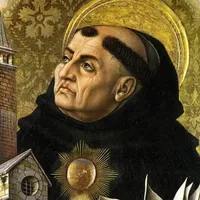
Of the medieval church’s many intellectual leaders, none has had more influence than the philosophical theologian Thomas Aquinas. He was born to a noble family near Naples, Italy, and joined the Domin...
In a commencement speech at Rice University around the turn of the century (the 21st century to be precise) the author Kurt Vonnegut shared some of the wisdom of his life. He went on to share a story ...
A common question I’m hearing from folks these days is whether it is beneficial (or a moral imperative) to pay attention to the news. The Catholic nun and social activist Dorothy Day asked the same qu...
Hebrews 12:1-2, Matthew 6:33, 1 Thessalonians 5:16-18, Psalm 34:17, John 14:27
Prayer of Adoration Living and present Lord: You often surprise us, coming when we least expect it; or, You simply fold back the curtain to show us You’ve been there all along to give us hope and to ...
Isaiah 41:13, John 14:26-27, Psalm 34:18-19, Philippians 4:6-7, Matthew 11:28-30, 2 Corinthians 1:3-4
Lord God Almighty: our Creator, Redeemer and Sustainer: There is no place where You are absent. There is no corner of our world that’s hidden from You. There is nothing about us You do not know, no ac...