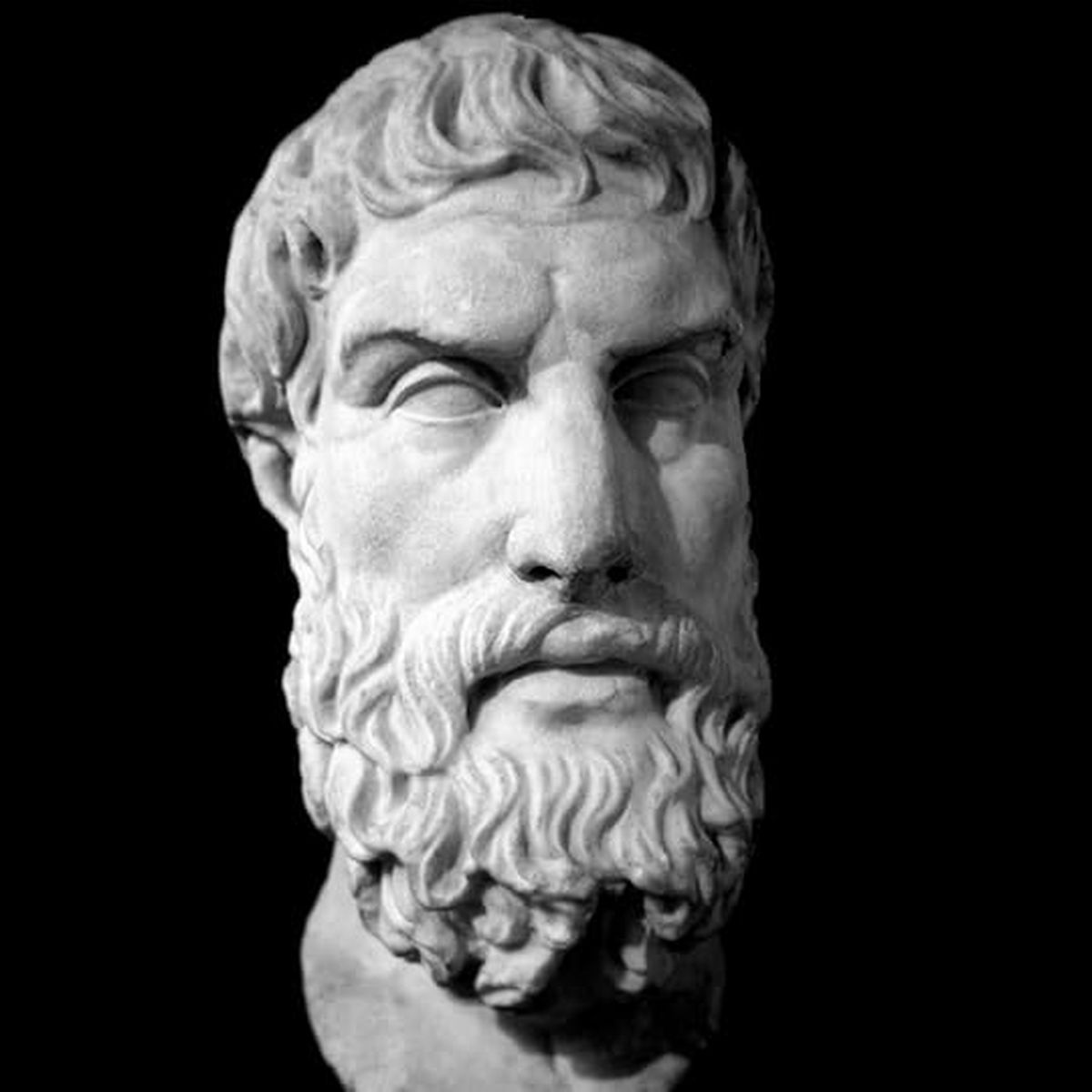
Epictetus
Epictetus (c. 55–135 CE)
Epictetus was a Greek Stoic philosopher whose teachings on ethics, personal responsibility, and inner freedom have had a lasting influence on Western philosophy. Born around 55 CE in Hierapolis (modern-day Turkey), Epictetus was initially a slave in Rome, where he endured hardships and adversity. Despite his circumstances, he was able to study philosophy, particularly under the tutelage of the famous Stoic teacher Musonius Rufus. Epictetus’ status as a slave did not limit his intellectual growth; rather, it shaped his philosophy, teaching him the value of resilience and self-mastery.
After gaining his freedom, Epictetus began teaching philosophy in Rome, where his insights into Stoic ethics gained a following. He emphasized that individuals cannot control external events, but they can control their responses to those events. According to Epictetus, true freedom lies in mastering one’s own thoughts, emotions, and behaviors, regardless of external circumstances. His teachings centered on the importance of virtue, wisdom, and tranquility, focusing on how to live a life in accordance with nature and reason.
Epictetus’ work was not written down by him but by his student Arrian, who compiled his lectures into two main texts: The Discourses and The Enchiridion (also known as The Handbook). These works provide a rich record of his Stoic philosophy, offering practical guidance on how to approach suffering, control desires, and develop resilience in the face of life's challenges.
Epictetus spent his later years in exile in Nicopolis, Greece, where he continued to teach. His philosophy deeply influenced later thinkers such as Roman Emperor Marcus Aurelius, as well as early Christian thinkers. Epictetus died around 135 CE, but his ideas continue to be celebrated as a foundation for Stoic thought and personal development, shaping modern concepts of resilience and self-discipline.