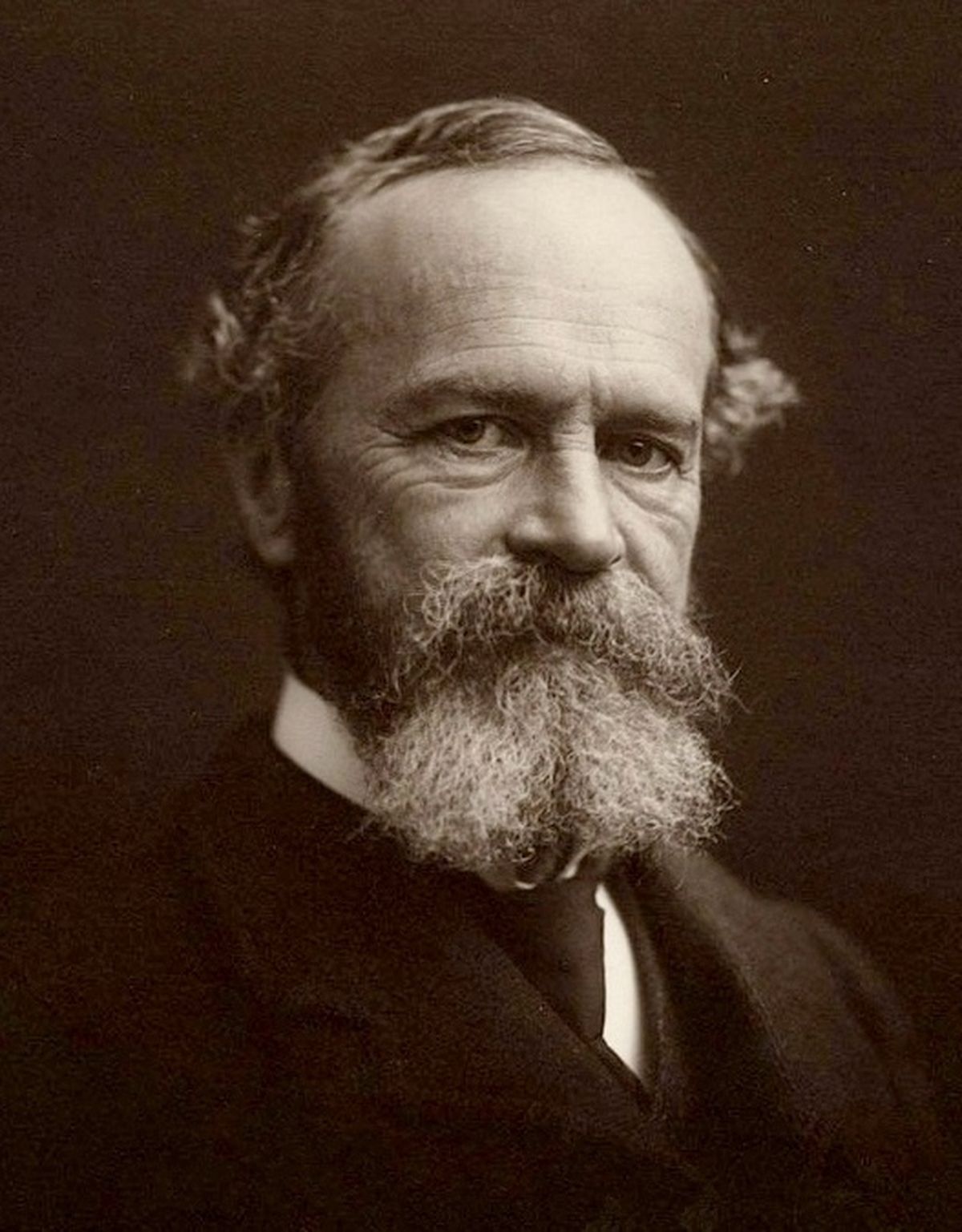
William James
William James (1842–1910) was an American philosopher and psychologist who is widely regarded as one of the most influential figures in the development of modern psychology and philosophy. Known for his pioneering work in both fields, James made groundbreaking contributions to pragmatism, the philosophy of mind, and the psychology of consciousness. His work continues to resonate across academic disciplines, influencing a range of subjects including psychology, philosophy, education, and religion.
Born in New York City into a prominent family, James was the son of theologian Henry James Sr. and the brother of novelist Henry James. He attended Harvard University, where he initially pursued a medical degree but later shifted his focus to philosophy and psychology. After completing his studies, James became a professor at Harvard, where he taught for many years and conducted research that laid the foundation for much of modern psychology.
James’s most famous work in psychology is his book The Principles of Psychology (1890), which remains a key text in the field. In this work, he introduced the concept of "stream of consciousness" and emphasized the importance of individual experience in understanding the mind. His contributions helped shape the field of functionalism, which focuses on how mental processes help organisms adapt to their environments.
In philosophy, James is best known for developing the philosophy of pragmatism, which asserts that the truth of an idea is determined by its practical effects and usefulness. His Pragmatism (1907) and The Varieties of Religious Experience (1902), a study of religious experiences across cultures, are considered foundational works in American philosophy.
James’s work has had a lasting impact on psychology, philosophy, and religious studies. His emphasis on the individual experience, the practical application of ideas, and the importance of human consciousness continues to inspire scholars and thinkers today.