Context of the Passage Mark explicitly states at the beginning of our text that the Pharisees wanted to test Jesus. The important question to ask then, is why? This question wasn’t asked in a vacuum....
Context of the Passage Mark explicitly states at the beginning of our text that the Pharisees wanted to test Jesus. The important question to ask then, is why? This question wasn’t asked in a vacuum....
Luke 20:27-38, Mark 12:18-27, Matthew 22:23-33, 1 Corinthians 15:, Genesis 2:18-25
Ancient Lens What can we learn from the historical context? Worldviews Collide In this passage, we have a clash of worldviews similar to some that we find today. While the Sadducees were not mat...
Luke 20:27-38, Mark 12:18-27, Matthew 22:23-33, 1 Corinthians 15:, Genesis 2:18-25
Ancient Lens What can we learn from the historical context? Worldviews Collide In this passage, we have a clash of worldviews similar to some that we find today. While the Sadducees were not mat...
Ancient Lens What's the historical context? Context in Mark Recall the context. In chapter 11, Jesus entered Jerusalem to much acclaim and briefly entered the temple (vv. 1-11). The next day,...
Malachi 3:1-4, Matthew 11:10, Mark 1:2, Matthew 4:17, Mark 13:null, Matthew 25:null, Revelation 22:null
Check out our video discussion of the text with the author, Austin D. Hill. Click here to view! AIM Commentary Ancient Lens What can we learn from the historical context? Malachi’s Context ...
Luke 12:33-34, Luke 18:28-30, Acts 2:44-45, Matthew 19:21, Mark 10:29-30, Luke 14:26
Family and property, then, were not for the ancient Jew simply what they are to the modern western world. Both carried religious and cultural significance far beyond personal, let alone “individual,” ...
Isaiah 57:15, Mark 10:43-45, James 4:6, Ephesians 4:2, Micah 6:8, Matthew 23:12
In the Greco-Roman world of Paul’s day, humility was a despised trait. They viewed it as a sign of weakness. And our culture today is no different from that world of two thousand years ago. Maybe it’s...
Matthew 5:25, Matthew 23:7, Mark 5:56, Matthew 25:27, Luke 19:23, Mark 12:1-12, Matthew 8:5, Matthew 9:10, Luke 5:27
One could not live in any village in lower Galilee and escape the effects and ramifications of urbanization.” Life here was urbanized and urbane as anywhere else in the Empire. Did these urban influen...
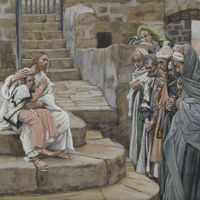
Exodus 1:15–22, 1 Samuel 1:20–28, 2 Kings 4:18–37, Matthew 2:16–18, Mark 10:13–16, Psalm 127:3–5
Pharaoh viewed the Hebrews as a growing threat to the Egyptian way of life, so he ordered all Hebrew baby boys killed. King Herod feared that a future king would arise from Bethlehem, so he ordered al...
Mark 12:28-34, Deuteronomy 6:4-9, Matthew 22:35–40, Mark 12:28–34, Luke 10:27, Leviticus 19:17-18, Ruth 1:1-18, Psalm 146:, Deuteronomy 6:1-9, Psalm 119:1-8, Hebrews 9:11-14
Ancient Lens What's the historical context? An Honest Inquiry from the Religious Leaders It is easy—perhaps tempting—to read this passage with built-in sarcasm because we know the general ton...
Proverbs 3:5-8, Matthew 22:37, Romans 12:1-2, Luke 14:26-27, Deuteronomy 6:5, Luke 16:13, Mark 12:30, John 14:15, Matthew 16:24-26, Luke 9:59-62, Matthew 6:24, Hebrews 11:13-16, Hebrews 10:38-39, Matthew 6:33-34, Matthew 10:37-39
What are you willing to do for love? An instructor for the Perspectives on the World Christian Movement course shared with a class the major hang-up he had to get over before asking his wife to ma...
Hebrews 13:20, Genesis 1:26-28, Genesis 1:26, Genesis 3:14-19, Genesis 3:14, Genesis 8:20-9, Genesis 9:5-6, Genesis 12:1-3, Galatians 3:16, John 8:56-58, 2 Corinthians 3:7-9, Deuteronomy 30:1-10, Deuteronomy 30:1, 2 Samuel 7:4-17, Luke 1:31-33, Acts 1:6, Revelation 19:16, Matthew 26:28, Mark 14:24, Luke 22:20, Hebrews 8:8-12, Galatians 3:13-20
Eternal covenant, Heb 13:20—The redemptive covenant before time began, between the Father and the Son. By this covenant we have eternal redemption, an eternal peace from the ‘God of peace’, through th...
John 4:4-26, Genesis 22:1-19, Luke 10:38-42, Mark 10:17-27, Matthew 6:33
The ultimate reason for our misery, however, is that we do not love God supremely. As Augustine so famously put it in prayer, “You have made us for yourself, and our hearts are restless until they fin...
1 Kings 12:1–24, Nehemiah 1:1–11 , Daniel 3:1–30, Luke 4:16–30, Mark 12:13–17, Acts 25:26
In addition to worship in the temple, Jews met in synagogues for prayer and for reading the Scriptures. Jesus and Paul taught in synagogues. Jesus was executed by crucifixion, a Roman method of punish...
Mark 7:1-23, Mark 7:1-12, Isaiah 29:13, Exodus 12:6-20, Deuteronomy 6:20-25, Joshua 4:1-9
Context Ritual Purity The most important broad contextual issue to address with this passage is the concept of ritual purity, and the ways in which this served as a boundary and identity marker for ...
Mark 7:1-8, 14-15, 21-23, Mark 7:11-12, Isaiah 29:13, Exodus 12:6-20, Deuteronomy 6:20-25, Joshua 4:1-9
Context Ritual Purity The most important broad contextual issue to address with this passage is the concept of ritual purity, and the ways in which this served as a boundary and identity marker for ...
Exodus 12:1-14, Psalm 31:9-16, Philippians 2:5-11, Mark 11:1-11
AIM commentary Ancient lens What's the historical context? Original Passover If you frequent any web sites that have thread or message board formats, you occasionally run into the acronym “...
James 4:1-10, Jeremiah 9:23-24, Mark 7:20-23, Proverbs 15:25-33, Proverbs 16:18, 1 Samuel 18:null, Luke 18:9-11
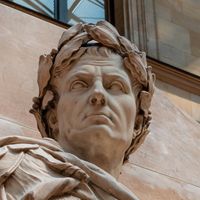
When Julius Caesar returned to Rome after many years of fighting its battles abroad, he planned great festivities and triumphal processions to celebrate his victories over Gaul, Egypt, Pontos, and Afr...
John 12:1-8, Mark 14:1-2, Matthew 26:3-13, John 11:45, Luke 7:44-47, Matthew 26:6, Mark 14:3, Luke 7:40, John 11:50-53, Luke 24:41-43, John 21:10-14, Acts 10:40-41, John 12:7, Philippians 2:6-8, Romans 6:1-10
Introduction This narrative is slightly changed from the Synoptic accounts. Matthew and Mark’s Gospels place this narrative two days prior to the Passover (Matt: 26:6-13; Mark 14:1). Three Evangelist...
Mark 4:35-41, Job 38:1-11, Psalm 107:, Jonah 1:, Genesis 1:, Matthew 8:23-27, Luke 8:22-25, Psalm 74:14, Psalm 104:26, Genesis 1:21
A Sopping Wet Week in the Lectionary Today’s readings are thoroughly wet. In Job, God is master of the sea, Psalm 107 concerns mariners in the storm, Paul is a little drier, but still gets shipwrecke...
Genesis 2:1-3, Exodus 20:8-11, Deuteronomy 5:12-15, Mark 2:27-28, Matthew 12:8, Luke 6:5
For the most part, contemporary Christians pay little attention to the Sabbath. We more or less know that the day came to reflect, in U.S. culture, the most stringent disciplinary faith of the Puritan...
1 Corinthians 4:14-17, Ruth 1:16-18, Mark 10:13-16, 1 Chronicles 29:19, Luke 15:11-32, Genesis 12:3, Joshua 24:15
God of grace, wisdom and hope—Father, Son and Holy Spirit—from whom every family in heaven and on earth gets its true name. You created us in Your image, making us for relationships, giving us meaning...
Matthew 22:35-40, Mark 12:28-31, Luke 10:27, Deuteronomy 6:4-5
To be commanded to love God at all, let alone in the wilderness, is like being commanded to be well when we are sick, to sing for joy when we are dying of thirst, to run when our legs are broken. But ...
Mark 2:23-28, Mark 3:1-6, Acts 12:12, Acts 12:25, Acts 15:37-39, Colossians 4:10, 2 Timothy 4:11, Philemon 1:24, 1 Peter 5:13, Mark 1:14-15, Mark 2:1-22, Exodus 20:8-11, Deuteronomy 5:12-15, Exodus 34:21, 1 Samuel 21:1-6, Luke 11:37-54, Mark 2:1-17, Genesis 1:26-31, Genesis 2:1-2, Genesis 3:null, John 19:30
Context Authorship of Mark Mark’s account of the story of Jesus is commonly held to be the earliest of the four canonical Gospels. Early church tradition identifies the author as Mark (or John Mark)...
Luke 15:11-32, Matthew 18:22-35, Luke 16:19-31, Matthew 13:3-8, Matthew 20:1-16, Matthew 13:24-33, Matthew 13:44-50, Mark 4:26-29
The thrust of the parables is to subvert the distorted myths in which people live their lives. To understand what we mean by “living in a myth” just think of a couple of our own contemporary myths. Ta...
Ezra 4:7–24, Daniel 2:4–49, Nehemiah 8:1–8, Mark 5:41 , John 19:19–22, Acts 2:1–13
One development of the exile was an additional language for the Jewish people. The Babylonians and Persians spoke Aramaic, and out of necessity the Jews learned it. Some even became more conversant in...
Mark 6:14-29, Mark 6:6b-13, Mark 6:30, John 1:14, Mark 6:30, Mark 8:29, Mark 6:4, Mark 8:27-28, 1 Kings 19:1-10, 1 Kings 21:17-26, Mark 9:13, Romans 7:18-25, Mark 14:1-12
Between the Sending and Return of the Twelve The fate of John the Baptist appears in a Markan ‘sandwich,’ where the story is told almost as a detour between the sending (ἀποστέλλω) of the Twelve (6...
Mark 1:16-28, Acts 8:26-40, Acts 16:11-15, Joshua 21:32
For purposes of practicality and relatability, this series considers the Sea of Galilee to be a lake and classifies other fresh or mostly fresh water locations together under the same banner. The poin...