Luke 19:7, Matthew 21:31, John 1:11, Luke 7:34, Mark 2:17
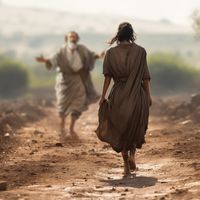
There is a story of a public sinner who was excommunicated and forbidden from entering the church, He took his woes to God. "They won't let me in, Lord, because I am a sinner." "W...
Luke 5:31-32, 1 Timothy 1:15, 1 John 1:9, Romans 5:6-8, Mark 2:17, Isaiah 1:18, Micah 7:18-19
It is quite enough that you have sinned. Now let go of it. Don’t let your despondency lead to an even greater offence. The Lord says, ‘I do not wish the death of the sinner, but rather that he repent ...
2 Kings 5:1–14, Isaiah 53:4–5, Exodus 15:26, Mark 2:1–12, John 11:25–26, Psalm 103:2–3
David (Yonggi) Cho would go on to lead what is recognized as the largest church in the world (the Yoido Full Gospel Church), but his spiritual journey began far from Christianity. Raised as a Buddhist...
Mark 2:23-28, Mark 3:1-6, Acts 12:12, Acts 12:25, Acts 15:37-39, Colossians 4:10, 2 Timothy 4:11, Philemon 1:24, 1 Peter 5:13, Mark 1:14-15, Mark 2:1-22, Exodus 20:8-11, Deuteronomy 5:12-15, Exodus 34:21, 1 Samuel 21:1-6, Luke 11:37-54, Mark 2:1-17, Genesis 1:26-31, Genesis 2:1-2, Genesis 3:null, John 19:30
Context Authorship of Mark Mark’s account of the story of Jesus is commonly held to be the earliest of the four canonical Gospels. Early church tradition identifies the author as Mark (or John Mark)...
Mark 2:23-28, 3:1-6, Mark 2:23-28, Mark 3:1-6, Acts 12:12, Acts 12:25, Acts 15:37-39, Colossians 4:10, 2 Timothy 4:11, Philemon 1:24, 1 Peter 5:13, Mark 1:14-15, Mark 2:1-22, Exodus 20:8-11, Deuteronomy 5:12-15, Exodus 34:21, 1 Samuel 21:1-6, Luke 11:37-54, Mark 2:1-17, Genesis 1:26-31, Genesis 2:1-2, Genesis 3:null, John 19:30
Preaching Commentary Context Authorship of Mark Mark’s account of the story of Jesus is commonly held to be the earliest of the four canonical Gospels. Early church tradition identifies the author...
Genesis 2:15, Acts 2:1-41, Mark 2:1-12, Luke 10:25-37, John 11:25-26, Revelation 21:4
Deacon or other leader Let us pray for the Church and for the world. Grant, Almighty God, that all who confess your Name may be united in your truth, live together in your love, and reveal your glo...
Mark 2:1-12, Luke 22:54-62, Luke 18:9-14, Psalm 32:5, 1 John 1:8-9
We confess, Gracious God, that we are a forgiven people who still need forgiveness. As Christians, it is easy to take this forgiveness for granted, and leave our lives unchanged. It is tempting to sin...
Luke 15:11-32, 1 John 1:9, Mark 2:1-12, 2 Corinthians 5:17, Luke 4:18, Ephesians 2:8, 2 Corinthians 12:9
Leader: Jesus knows our every weakness, and loves us still. Awaken to the promise of Christ's amazing grace. Leader: Friends, believe the good news of the gospel. People: In Jesus Christ we are f...
Luke 18:13-14, Romans 5:8, Mark 2:17, 1 John 1:8-10, Isaiah 53:6, Jeremiah 17:9, Romans 3:23
A recovery of the old sense of sin is essential to Christianity. Christ takes it for granted that men are bad. Until we really feel this assumption of His to be true, though we are part of the world H...
Matthew 1:23, Matthew 28:20, Luke 2:10-11, John 10:11, Isaiah 41:10, Matthew 14:22-33, Philippians 4:5-7, Mark 2:1-12, John 14:16-17, Hebrews 13:5
“He stands by you:” A drowning man cannot pull himself out of the water by his own hair. Neither can you do it. Someone else must rescue you. This is the good news of Christmas. He who stands by you a...
Matthew 25:31-46, Matthew 7:12, Luke 10:25-37, Matthew 5:43-48, Matthew 18:21-22, Mark 2:1-12, Hebrews 13:2, Matthew 5:7, Acts 4:32-35, John 6:1-14
Want to keep Christ in Christmas? Feed the hungry, clothe the naked, forgive the guilty, welcome the unwanted, care for the ill, love your enemies, and do unto others as you would have done unto you.
Matthew 16:15-16, John 14:6, Mark 2:1-12, John 10:30-33, Colossians 1:15-20
“I think a defining question for a Christian is: Who was Christ?” He went on to say, And I don’t think you’re let off easily by saying a great thinker or a great philosopher, because actually he went ...
Matthew 14:19-20, John 9:6-7, Mark 2:3-4, John 13:4-5, Mark 1:40-42, Luke 2:7, John 1:14
The gospels are earthy. People are close to the earth. They travel here and there by foot. They eat the live heads of grain growing from the soil as they walk through the fields. They get grubby and h...
Luke 7:36-50, Romans 5:8, John 4:7-26, Matthew 11:19, Luke 19:5-10, Mark 2:15-17
Why did it disturb the religious leaders that Jesus ate with “sinners”? To eat with someone is an important symbol of fellowship. And in those days, the Jews had a rule: one is not to have such fellow...
Matthew 5:17-18, Mark 2:27-28, John 8:58, Luke 4:18-21, Matthew 5:7, John 8:1-11, Luke 24:13-27
Jesus appears in the Gospels as a theologian who begins with a mastery of the tradition and then reshapes it by offering a new vision centered on his own person.