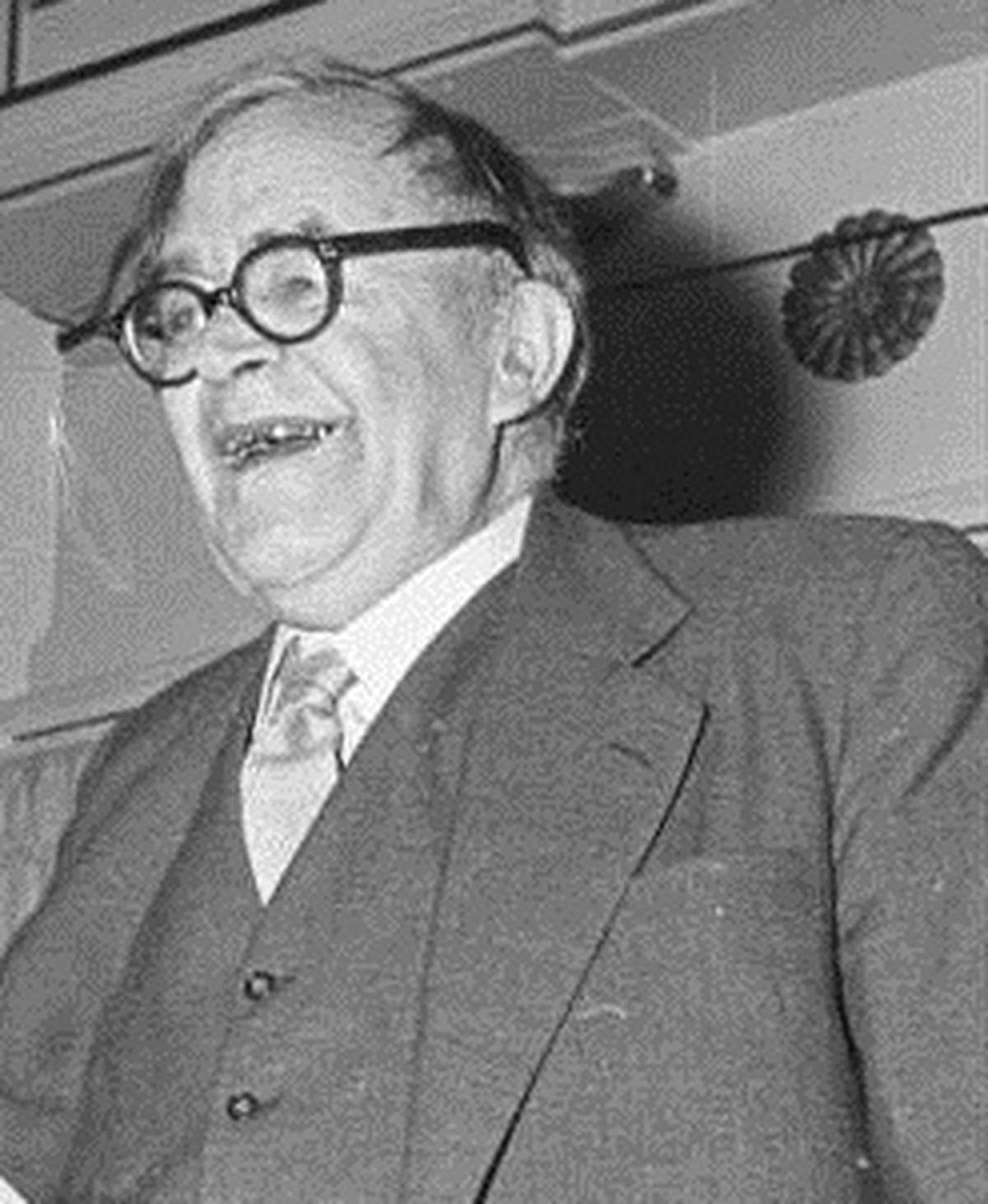
Karl Barth
Karl Barth (1886–1968) was a Swiss Reformed theologian, widely regarded as one of the most significant figures in 20th-century Christian theology. A key figure in the neo-orthodox movement, Barth revolutionized theological thought with his focus on the primacy of divine revelation and the centrality of Jesus Christ in all theological reflection. His groundbreaking work, Church Dogmatics, is considered one of the most influential theological texts of the modern era, spanning multiple volumes and exploring the nature of God, humanity, and salvation.
Barth’s theology marked a decisive break from the liberal theological traditions of the 19th century, particularly those that emphasized human experience and reason as primary sources of theological knowledge. Instead, Barth argued that true revelation can only be found in God’s Word, particularly as revealed through Jesus Christ. He believed that human reason, while valuable, is ultimately inadequate to fully comprehend the mystery and majesty of God. For Barth, the Bible is the authoritative source of divine revelation, and the central message of Scripture is the person and work of Christ.
Barth’s emphasis on God’s sovereignty, grace, and the centrality of faith became foundational to his theology. He critiqued both liberalism and certain strands of natural theology for reducing God to a humanly comprehensible concept, and instead emphasized that God is transcendent and beyond human understanding. His doctrine of election, in particular, has had a lasting impact on Reformed thought, focusing on God's initiative and grace in salvation.
Beyond his academic work, Barth was an important voice in ecumenical dialogue and church life, advocating for unity among Christian denominations while also challenging the church to engage with the world faithfully. His theology continues to influence contemporary Christian thought, shaping discussions around divine revelation, salvation, and the role of the church in the world.




![[Jesus Christ] is the atonement as the](https://a-us.storyblok.com/f/1016915/1200x800/648ad7c97d/atonement.jpg/m/200x200/smart)