God blessed them, and God said to them, ‘Be fruitful and multiply, and fill the earth' Lord be with those who work and worship The Lord God took the man and put him in the Garden of Eden to ti...
Mark 2:23-28, 3:1-6, Mark 2:23-28, Mark 3:1-6, Acts 12:12, Acts 12:25, Acts 15:37-39, Colossians 4:10, 2 Timothy 4:11, Philemon 1:24, 1 Peter 5:13, Mark 1:14-15, Mark 2:1-22, Exodus 20:8-11, Deuteronomy 5:12-15, Exodus 34:21, 1 Samuel 21:1-6, Luke 11:37-54, Mark 2:1-17, Genesis 1:26-31, Genesis 2:1-2, Genesis 3:null, John 19:30
Preaching Commentary Context Authorship of Mark Mark’s account of the story of Jesus is commonly held to be the earliest of the four canonical Gospels. Early church tradition identifies the author...
Genesis 2:1-3, Exodus 20:8-11, Deuteronomy 5:12-15, Mark 2:27-28, Matthew 12:8, Luke 6:5
For the most part, contemporary Christians pay little attention to the Sabbath. We more or less know that the day came to reflect, in U.S. culture, the most stringent disciplinary faith of the Puritan...
When we fight this work-six-days, Sabbath-one-day rhythm, we go against the grain of the universe. And to quote the philosopher H. H. Farmer, “If you go against the grain of the universe, you get spli...
The words: "On the seventh day God finished His work" (Genesis 2:2), seem to be a puzzle. Is it not said: "He rested on the seventh day"? "In six days the Lord made heaven and...
Genesis 2:2-3, Exodus 20:8-11, Leviticus 25:4-5, Mark 2:27, Isaiah 40:30-31
Sabbath honors the necessary wisdom of dormancy. If certain plant species, for example, do not lie dormant for winter, they will not bear fruit in the spring. If this continues for more than a season,...
Rest has never been one of America’s greatest strengths. According to one study, only one in seven adults (14%) have set aside an entire day for the purpose of rest. For those who do set aside an enti...
Mark 2:23-28, Mark 3:1-6, Acts 12:12, Acts 12:25, Acts 15:37-39, Colossians 4:10, 2 Timothy 4:11, Philemon 1:24, 1 Peter 5:13, Mark 1:14-15, Mark 2:1-22, Exodus 20:8-11, Deuteronomy 5:12-15, Exodus 34:21, 1 Samuel 21:1-6, Luke 11:37-54, Mark 2:1-17, Genesis 1:26-31, Genesis 2:1-2, Genesis 3:null, John 19:30
Context Authorship of Mark Mark’s account of the story of Jesus is commonly held to be the earliest of the four canonical Gospels. Early church tradition identifies the author as Mark (or John Mark)...
Revelation 21:10, 22-22:5, Revelation 21:2, 10, 22-27, Revelation 22:1-5, 1 Kings 6:20, Genesis 12:1-3, Genesis 2:9, Genesis 3:23-24, Genesis 1:28, Genesis 2:15, Genesis 3:17-19, 1 Corinthians 15:58, Ephesians 6:5-9, Colossians 3:23, Genesis 1:26-27, Exodus 33:20-23, John 14:9, Colossians 1:15, Hebrews 1:3, Mark 15:34, 2 Corinthians 5:21, Exodus 28:15-21, 29-30, John 4:13-14, John 7:37-38, Matthew 27:46, John 3:2, Romans 8:29
Preaching Commentary Pulling Back the Curtain The Revelation of Jesus Christ is a “pulling back of the curtain” to reveal both the unseen realities of the present (what is really going on in the wo...
Revelation 21:10, Revelation 21:2, 10, 22-27, Revelation 22:1-5, 1 Kings 6:20, Genesis 12:1-3, Genesis 2:9, Genesis 3:23-24, Genesis 1:28, Genesis 2:15, Genesis 3:17-19, 1 Corinthians 15:58, Ephesians 6:5-9, Colossians 3:23, Genesis 1:26-27, Exodus 33:20-23, John 14:9, Colossians 1:15, Hebrews 1:3, Mark 15:34, 2 Corinthians 5:21, Exodus 28:15-21, 29-30, John 4:13-14, John 7:37-38, Matthew 27:46, John 3:2, Romans 8:29
Pulling Back the Curtain The Revelation of Jesus Christ is a “pulling back of the curtain” to reveal both the unseen realities of the present (what is really going on in the world from God’s perspect...
Genesis 2:2-3, Exodus 20:8-10, 1 Kings 19:11-12 , Matthew 6:25-27, Mark 6:31, Psalm 46:10
Dolce far niente—“the sweetness of doing nothing.” One of the most powerful soul-training exercises I have ever done is a practice called holy leisure. In simple terms, holy leisure is “doing nothi...
Whether the Hebrew Genesis account was meant to be science or not, it was certainly meant to convey statements of faith. As will be shown it is part of the biblical polemic against paganism and an int...
Sabbath begins in rest. The Jewish people practice Shabbat sundown on Friday to sundown on Saturday. It begins and ends in the dark, where rest (not hustle) is the first word.
...work is not, primarily, a thing one does to live, but the thing one lives to do. It is, or it should be, the full expression of the worker’s faculties, the thing in which he finds spiritual, mental...
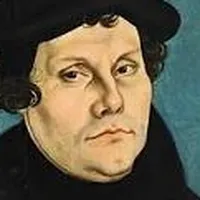
Noteworthy in this regard is the contribution of the Reformers, particularly Martin Luther, though John Calvin’s contribution is also very significant. Both called for a spirituality in the world that...
We talk about our work all the time. It is rare that a conversation with a person we have recently met does not at some point lead to the inevitable question, What do you do? by which we mean, how do ...
The framework of seven days is rich with divine intention. Certainly, in biblical numerology, the number seven symbolizes divine perfection. But perhaps it goes deeper than that. Echoing church father...
Have you ever noticed geese soaring across the sky in a V formation? Scientists have uncovered the wisdom behind this flight pattern: as each bird flaps its wings, it creates an uplift for the one beh...
Names in the ancient world were associated with identity, role and function. Consequently, naming is a typical part of the creation narratives. The Egyptian Memphite Theology identifies the Creator as...
Adam was called by God to take care of Eden. But it was too much work for one man. Eden was massive. Adam was incapable of gardening the whole thing. He needed help. That’s why God created Eve. Go...
The lesson of Genesis is that the first work of rest is to cease from our own effort. All that needs to be done has already been done. The work of God was finished long before we ever came on the scen...
Some time ago, I read about the work of a Wycliffe Bible translator in a remote village in Papua New Guinea. When the opening chapters of Genesis were first translated into the native language, the at...
Genesis 2:8, Genesis 3:23-24, Exodus 15:27, Song of Solomon 4:12-15, John 18:1, Matthew 26:36
The Bible has its own garden path. It runs from Genesis to Revelation. In fact, some of the most important events in the Christian faith take place in Biblical gardens, evens around which Christianity...
Exodus 8:11, Mark 2:27, Genesis 2:3, Matthew 5:12-15
Sunday observance of the Sabbath was the subject of forty-seven acts of Parliament and often debated by American legislators in the nineteenth and early twentieth centuries.
It is interesting that in Scripture, in both the original Hebrew and Greek languages, the word used in speaking of the Spirit is the word that can also mean “wind.” In like manner, the Holy Spirit wor...
Genesis 2:18-25, Exodus 16:2-12 , Proverbs 3:11-12, Psalm 1:4, Matthew 18:1-4, Luke 15:11-32, Matthew 18:3
Desire is part of what it means to be a child, as implied in Jesus’ words to his disciples when he tells them, “Truly I tell you, unless you change and become like little children, you will never ente...
Every creator, from a child with Play-Doh to Michelangelo, learns that creation involves a kind of self-limiting. You produce something that did not exist before, yes, but only by ruling out other opt...
Genesis 2:7, Exodus 20:8–10, 1 Kings 19:5–7, John 1:14, Matthew 11:28–29, Psalm 34:8
In this short excerpt, author Ashley Hales describes the disembodying reality of being glued to screens, and a few ways to become back in touch with our embodied selves: Perhaps we look to a scree...
True freedom is not found by seeking to develop the powers of the self without limits, for the human person is not made for autonomy but for true relatedness in love and obedience; and this also entai...