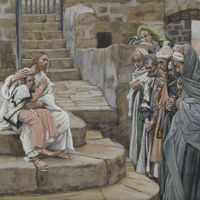
Ezra 4:7–24, Daniel 2:4–49, Nehemiah 8:1–8, Mark 5:41 , John 19:19–22, Acts 2:1–13
One development of the exile was an additional language for the Jewish people. The Babylonians and Persians spoke Aramaic, and out of necessity the Jews learned it. Some even became more conversant in...
Genesis 12:1–3, Exodus 3:1–12, Isaiah 53:, Matthew 22:15–22 , John 4:1–42 , Acts 17:16–34
The world of Jesus was not the Old Testament Hebrew world. Like the United States now, Israel was multicultural, including a combination of Aramaic, Greek, and Roman influences. The people looked Jewi...
Isaiah 29:13, Amos 5:21-24, Proverbs 1:7, James 1:22-25 , Matthew 23:27-28, Psalm 51:16-17
We artful dodgers act as if we do not understand the New Testament, because we realize full well that [if we let on that we did] we should have to change our way of life drastically. That is why we in...
The New Testament scholar Craig Evans makes a compelling observation about how the academy can sometimes hinder the church through overly skeptical scholarship: Some scholars seem to think that th...
Colossians 1:28, Romans 12:2, Acts 11:26, Luke 9:23, John 17:3, Matthew 28:19-20
Jesus didn’t tell his friends, “Go into all the world and make Christians.” But he did tell them to go into the world and make disciples. In fact, the Bible uses the word disciple 269 times. As Dallas...