Daniel 6:10–23, 1 Kings 18:17–39, Esther 4:12–16, Matthew 10:28–33, Acts 6:8–7:60 , Psalm 15:1–2
The hymnwriter and theologian F. W. Faber writes with beautiful prose the challenges that each one of us faces when it comes to living a life faithfully according to the truth that is within us: M...
Daniel 3:16–18, Daniel 6:19–22, Acts 7:54–60, Hebrews 11:35–38, Psalm 116:15
Two thousand years ago, Christians were often hunted down and killed. Amid this darkness, the church began a radical practice. When a brother or sister was martyred for faith in Jesus, the Christian c...
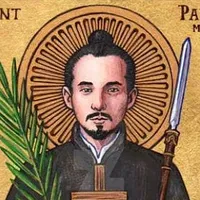
In the deeply moving novel Silence by Shusaku Endo, the protagonist, a young Jesuit priest named Sebastião Rodrigues describes in horror what it is like to watch two of his disciples, Japanese nationa...
Matthew 16:25, Romans 8:17-18, Philippians 1:21, 2 Corinthians 4:17, Psalm 116:115, Daniel 3:, Daniel 6:
How many modern Christians consider dying to be the worst thing that can happen to them? We pray for safety, healing, and protection, and rightly so. However, do we live in the truth that death has tr...
Revelation 2:10, Psalm 71:20-21, Philippians 3:10-14, Luke 21:16-19, 2 Corinthians 4:17-18, Romans 8:17-18, James 1:12
One of the great leaders of the first generation after the apostles was a man named Polycarp. Polycarp, it is believed, was discipled by the apostle John and carried out a long and fruitful ministry i...
Revelation 12:11, Philippians 1:20-21, 2 Corinthians 4:11, Hebrews 11:35-38, Matthew 16:24, Psalm 44:22, John 14:6
Every one of the disciples faced the test of torture, and all but the apostle John were martyred for their teachings and beliefs. People will die for what they believe to be true, though it may actual...
Revelation 2:10, Matthew 5:10-12, 2 Timothy 4:7-8, 1 Peter 4:12-13, James 1:12, Psalm 46:1-3
Like a scene straight out of Gladiator, Polycarp was dragged into the Roman Colosseum. Discipled by the apostle John himself, the aged bishop faithfully and selflessly led the church at Smyrna through...
In December 1666, Hugh MacHale, the youngest and most gallant of the Covenanters (a 17th century pro-Presbyterian group in Scotland), was brought to his trial in Edinburgh. He was given four days to l...
Daniel 3:16–18, 2 Chronicles 33:10–13 , Isaiah 50:7, Luke 22:61–62, Psalm 51:10–13 , 1 Peter 3:11-17
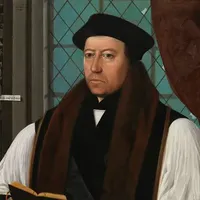
Facing imminent death, Thomas Cranmer—the Archbishop of Canterbury who crafted the foundational Book of Common Prayer for Anglican worship—succumbed to terror and signed a document renouncing hi...
Daniel 3:16–18, Daniel 6:19–22, Acts 7:54–60, Matthew 5:10–12, Psalm 116:15
Christianity first reached Japan in 1549, due to the heroic missionary work of the Jesuit priest Francis Xavier and his companions. In the next sixty years, over three hundred thousand Japanese citize...
Daniel 3:, Job 1:, Matthew 10:32-33, 2 Timothy 1:7, Psalm 31:24
Thomas Cranmer (1489–1556), the archbishop of Canterbury from 1532 to 1556, played a pivotal role in the English Reformation. A key figure in Henry VIII’s break with the Roman Catholic Church, Cranmer...
Proverbs 28:20, Revelation 2:10, Matthew 5:10-12, Matthew 10:22, 2 Corinthians 4:8-10, 1 Peter 4:12-14, Romans 8:35-37, John 15:18-20, Psalm 31:23, Matthew 25:21, 1 Corinthians 4:2, 1 Timothy 6:12, Matthew 24:45-46
Pliny, a Roman Governor serving around 112 AD, faced a challenging situation regarding Christianity. Many Church historians believe that by his time, it had become illegal to profess the Christian fai...
1 Timothy 2:1-4, Psalm 33:22, Philippians 4:6-7, John 14:1, 1 Peter 5:7, Romans 12:15
Compassionate God—In Christ, you enter our condition; you experience our sorrow and our joy ... and redeem them. By Your Holy Spirit, you carry us along: in crisis and celebration, in despair and acco...
Isaiah 53:4-5, 1 Samuel 17:, 1 John 12:24-25, Matthew 16:25, Psalm 116:15
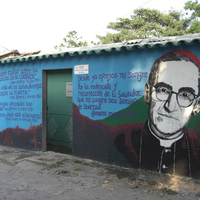
Whoever seeks to avoid danger at all costs may ultimately lose the fullness of life, but the one who, out of love for Christ, dedicates themselves to serving others discovers a life that endures. Arch...
Revelation 7:9-17, Psalm 42:1-2, Psalm 63:, Isaiah 55:1, John 6:35, John 7:37-38, Revelation 1:5, Revelation 19:13
A Letter from Exile To understand this section of Revelation, we have to remember that it was written by someone in exile to communities who were suffering for their faith. When we read Revelation 2-...
Revelation 7:9-17, Psalm 42:1-2, Psalm 63:, Isaiah 55:1, John 6:35, John 7:37-38, Revelation 1:5, Revelation 19:13
Preaching Commentary A Letter from Exile To understand this section of Revelation, we have to remember that it was written by someone in exile to communities who were suffering for their faith. Whe...
Genesis 22:1-14, Exodus 32:30-35 , Isaiah 53:3-7 , John 15:12-14 , 1 Peter 2:21-24, Psalm 22:1-5
You may remember that in January of 1982, Air Florida Flight 90 crashed into the icy Potomac River right after takeoff. While 74 passengers and crew perished, several were saved by the actions of a he...
Exodus 23:2, Daniel 3:16-18, 2 Chronicles 24:20-21, Matthew 5:9-10, Romans 12:19-21 , Psalm 82:3-4
In the early fifth century, even as Rome had officially embraced Christianity, the brutal spectacle of gladiatorial combat continued in the Colosseum, drawing massive crowds. One day, a Christian herm...
John 18:1-19:42, John 18:1-40, John 19:1-42, Matthew 27:24, Psalm 22:15, Psalm 69:21, Matthew 25:21
The lectionary text from John is an exceedingly long passage, but covers the main events that we commemorate on Good Friday. For that reason, I am going to break up the text into manageable chunks. I ...
Isaiah 55:1-3, John 3:1-5, Matthew 1:25-27, John 3:16-17, Psalm 145:8-9
Justin Martyr (ca. 100–165), the most renowned apologist of the second century, dedicated his life to defending Christianity as the one true philosophy. Engaging the Greek philosophers and intellectua...
Mark 16:1-8, Isaiah 41:10, Ephesians 2:8-9, Matthew 28:20, Psalm 34:18, 1 John 1:9
The women’s response brings readers face to face with the mystery of faith. There are no heroes among Jesus’ followers. The hostility that put Jesus on the cross has reduced them all to flight and fea...
Isaiah 53:4-6, Exodus 12:1-13, Luke 23:33-43, John 19:30, Psalm 31:9-10
Pastor: Almighty and everlasting God, who willed that your Son should bear for us the pains of the cross and thereby remove from us the power of the adversary, help us to remember and give thanks al...
John 15:13, Esther 4:14-16, John 10:11-15, 2 Corinthians 5:14-15, Romans 12:1, Hebrews 13:16, Ruth 1:16-17, Luke 10:30-37, Matthew 25:40, Psalm 82:3-4
A truly remarkable example of sacrificial courage took place in Folsom, New Mexico, in 1908. When a flood was racing toward the valley, a resident from the hills warned a local woman, S. J. Brooks, th...
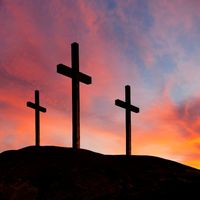
John 19:17, Luke 2:34-35, Psalm 38:6, Mark 15:21, Mark 15:16-32, Mark 15:33-34, John 10:30, Romans 5:8-11, Mark 15:42-47, Mark 16:6
Have you ever walked and prayed through the Stations of the Cross at a retreat center? Or done a virtual “prayer walk” using the stories and prophecies of Christ’s passion that go with the ancient Sta...
Deuteronomy 13:1-3, 1 Kings 22:19-23, Isaiah 53:3-5, Matthew 24:23-25, John 20:27, Psalm 34:18, John 20:25, 1 Corinthians 1:23; 2:2, Galatians 1:8-9
St. Martin of Tours was a Frankish soldier in the Roman army who abandoned his military post to follow Jesus at a time when Christianity had only begun to take root in France. He later became the bish...
Matthew 16:21-28, Genesis 4:1-11, Psalm 62:12, Proverbs 24:12, Luke 9:51
At the Turning Point Following Simon Peter’s climatic height of his faith, his confession that Jesus was the “Messiah, the Son of the living God,” Peter now exemplifies our humbling, human tendency t...
John 18:1-19:42, Exodus 4:13-15, Romans 5:null, Matthew 27:24, Psalm 22:15, Psalm 69:21, Matthew 25:21
Preaching Commentary The lectionary text from John is an exceedingly long passage, but covers the main events that we commemorate on Good Friday. For that reason, I am going to break up the text int...
John 18:1-19:42, John 18:1-40, John 19:1-42, Matthew 27:24, Psalm 22:15, Psalm 69:21, Matthew 25:21
Preaching Commentary Introduction The lectionary text from John is an exceedingly long passage, but covers the main events that we commemorate on Good Friday. For that reason, I am going to break u...
Ancient Lens What can we learn from the historical context? Betrayal and Supper Judas’ motivation for betraying Jesus is not clear in Matthew and Mark. It certainly was not the money because “30...