Deuteronomy 6:6–7, 2 Timothy 2:2, Proverbs 22:6, Daniel 6:3–4, Matthew 28:19–20, Psalm 78:4–7
The U of C [University of Chicago] has produced ninety-eight Nobel laureates, but I’m not sure any of them left as big an imprint on that university as its famed football coach, Amos Alonzo Stagg. Sta...
People don’t rise from nothing. We do owe something to parentage and patronage. The people who stand before kings may look like they did it all themselves. But in fact they are invariably the benefici...
Matthew 23:1-12, Psalm 119:null, Matthew 11:28-30, Deuteronomy 6:8
Preaching Commentary If religion is to be true, its leadership must be true. —Frederick Dale Bruner [1] Humble Leadership Whenever Anthony Bloom, a former bishop and archbishop serving in Londo...
Maybe the most sacred function of memory is just that: to render the distinction between the past, present, and future ultimately meaningless: to enable us at some level of our being to inhabit that s...
1 Timothy 6:6-19, Deuteronomy 6:5, Deuteronomy 5:21, Isaiah 1:23, Joshua 1:7, Psalm 62:9-10, Matthew 7:24-25, Luke 12:15, Luke 12:32-34
AIM Commentary Ageless Wisdom If you are reading this as a pastor, teacher or preacher, I want you to jot down how old you are here _________. If you wrote a number less than 30 know this letter...
Matthew 23:1-12, Psalm 119:null, Deuteronomy 6:8, Matthew 11:28-30
If religion is to be true, its leadership must be true. —Frederick Dale Bruner [1] Humble Leadership Whenever Anthony Bloom, a former bishop and archbishop serving in London, would teach, he would...
Micah 6:8, Deuteronomy 6:4-9, Matthew 28:18-20, Galatians 2:20, Psalm 19:
Pastor: We who have been given new birth into a living hope, are sent now into the world - People: to look, live and love more like Jesus. Pastor: Go in peace to serve the Lord! Pe...
Deuteronomy 6:20-23, Exodus 12:26-27, Joel 1:3, Psalm 78:4-7, Romans 5:12
Some stories, however, have been handed down to us. For some, we were not yet cognizant, and for others, we weren’t even born when experiences, memories, and stories affected our family and communitie...
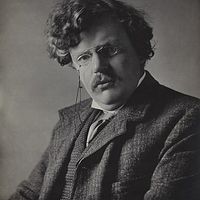
G. K. Chesterton was well-known (and iconoclastic) in his defense of tradition in a time when progress was all the rage in Western Europe- in technology, in the sciences, in philosophy. Chesterton, on...
A blind father, proud of his son who played Rugby at its namesake school, would listen intently to the roar of the crowd and the cheers for the winning team. Though he never saw his son in action, he ...
Without the binding force of memory, experience would be splintered into as many fragments as there are moments in life. Without the mental time travel provided by memory, we would have no awareness o...
Mark 12:28-34, Deuteronomy 6:4-9, Matthew 22:35–40, Mark 12:28–34, Luke 10:27, Leviticus 19:17-18, Ruth 1:1-18, Psalm 146:, Deuteronomy 6:1-9, Psalm 119:1-8, Hebrews 9:11-14
Ancient Lens What's the historical context? An Honest Inquiry from the Religious Leaders It is easy—perhaps tempting—to read this passage with built-in sarcasm because we know the general ton...
1 Timothy 6:6-19, Deuteronomy 6:5, Deuteronomy 5:21, Isaiah 1:23, Joshua 1:7, Psalm 62:9-10, Matthew 7:24-25, Luke 12:15, Luke 12:32-34
Ageless Wisdom If you are reading this as a pastor, teacher or preacher, I want you to jot down how old you are here _________. If you wrote a number less than 30 know this letter and this passage...
Psalm 119:9-16, 105, 111, Deuteronomy 6:6-9, Joshua 1:8, Nehemiah 8:8-10 , Matthew 4:4, Luke 24:27, 32
Pastor: Your word is a lamp to guide my feet and a light for my path. People: I have hidden Your word in my heart, that I might not sin against You. Pastor: I praise You, O Lord; teac...
This passage from Joshua underscores a central element of the biblical view of meditation: obedience. This is in marked contrast to the various forms of meditation in many religions around the world. ...
People: Oh Lord God, You have been gracious to us to give us Your holy Scripture which tells us of Your names, titles, qualities, regulations, word, and works. We should always treat these gifts with ...
Matthew 13:, Philippians 3:1, 1 Samuel 3:1–10 , Exodus 7:12, Deuteronomy 6:4–9 , Psalm 136:
In the second century before Christ the great rival to Roman power in the Mediterranean world was Carthage, the Phoenician city-state located on the north African coast. It had been founded in 822 B.C...
Ancient lens What’s the historical context? Psalm of Lament or Psalm of Trust? We’ve categorized this psalm under the psalms of lament. The psalms of lament highlight the problems and enemies tha...
The most powerful choices we will make in our lives are not about specific decisions but about patterns of life: the nudges and disciplines that will shape all our other choices. This is especially tr...
Deuteronomy 6:4-5, Isaiah 55:3, Matthew 11:15, Luke 8:8, James 1:19-20, Psalm 46:10
The very first word of the Rule of St. Benedict, that famous text that has guided the life of monastic communities since the sixth century, is listen . I want for us to put listening back where i...
There’s a quote by H. Richard Niebuhr that I believe is absolutely true. “The great Christian revolutions,” he argued, “come not by the discovery of something that was not known before. They happen w...
Psalm 103:12-13, Micah 6:8, Deuteronomy 6:4-9, Matthew 8:18-20, Galatians 2:20
Pastor: By grace, through Jesus, God calls us His children so that we might become more like Him, setting our hope on His grace, and living as holy people who fear the Lord and love one another. Whe...
Matthew 7:24, Proverbs 3:5-6, Psalm 119:105, Joshua 1:8, Deuteronomy 6:6-7
In C. S. Lewis’ The Silver Chair, Jill meets the lion, Aslan, high atop a mountain before her quest begins to save a prince. Aslan shares four important signs for her to remember along the way. These ...
Deuteronomy 6:4-9, Proverbs 18:24, Matthew 25:31-40, Luke 10:25-37, Psalm 139:1-4
Gracious God, thank you for the gift of your presence and opportunities to be fully present with others. In our selfishness and impatience, we seek to connect with those not in the room. God, help us ...
To frame is to put a language boundary around our experience. It is to name what happens in particular ways, to say how we see the world, and to see the world how we say it is. Framing includes tellin...