Philippians 2:3-8, Colossians 3:23-24, Mark 10:42-45, 1 John 4:19, Luke 10:38-42
The fact that our works are done in the service of God is not enough, by itself, to prevent us from losing our interior life if we let them devour all our time and all our strength. Work is good and n...
Introduction Believed to be some of Paul’s last words of his long ministry, 2 Tim. 4:6ff are Paul’s closing remarks to his beloved disciple, Timothy. Imprisoned in Rome by this point, Paul concludes ...
2 Corinthians 12:2-10, Philippians 2:null, Philippians 2:7-8, John 1:11, John 14:2-3
Preaching Commentary Inexpressible Things This chapter of Paul’s Corinthian correspondence is rich indeed, revealing so much about Paul and his relationship to the Corinthian church, a church which...
James 3:13-4:3, 7-8a, James 3:13-18, James 4:1-3, 7-8, James 1:16-27, Galatians 5:22, Proverbs 1:7, Psalm 37:4, James 4:3, Philippians 2:1-5, Psalm 121:null, Psalm 30:null, Jeremiah 11:18-20, Psalm 54:null, James 1:16-27, Galatians 5:22, Proverbs 1:7, Psalm 37:4, James 4:3, Philippians 2:1-5, Psalm 121:null, Psalm 30:null
Preaching Commentary James' Intent James, the brother of Jesus, the leader of the earliest Christian church in Jerusalem, writes this letter to scattered Jewish believers who were going through...
Preaching Commentary Introduction Believed to be some of Paul’s last words of his long ministry, 2 Tim. 4:6ff are Paul’s closing remarks to his beloved disciple, Timothy. Imprisoned in Rome by this...
2 Corinthians 12:2-10, Philippians 2:7-8, John 1:11, John 14:2-3
Inexpressible Things This chapter of Paul’s Corinthian correspondence is rich indeed, revealing so much about Paul and his relationship to the Corinthian church, a church which he himself founded. Bu...
Psalm 118:, Matthew 21:9, Mark 11:9, Luke 19:38, John 12:13, Ezra 5:null, Ezra 6:, Mark 12:10-11, 1 Peter 2:5, Deuteronomy 7:8, 1 Corinthians 1:26-27, 1 Corinthians 12:9, Romans 8:26-27, Philippians 2:8-10
Introduction This guide is often read on Palm Sunday and it is especially interesting when read in light of Jesus' triumphal entry into Jerusalem. All the gospels include a quotation of part of P...
Romans 12:1, Matthew 22:37-38, James 2:14-17, John 14:15, Luke 9:23, Philippians 2:5-8, Romans 10:9-10, Psalm 1:1-6
New Testament theology is ‘inherently self-involving as it summons the reader to believe, confess, obey, and understand the entirety of one’s existence—both her or his thinking and willing—in light of...
There is one other problem people can have with the Trinity: that the word never appears in the Bible. Now that doesn’t sound good, and it’s given rise to the legend of the Trinity as the invention of...
Preaching Commentary Background to the Letter and Passage Paul’s letter to the Ephesians was probably intended for wider distribution and use among the various churches around Ephesus. As such, the...
James 3:13-4:3; 7-8a, James 3:13-18, James 4:1-3, 7-8, James 1:16-27, Galatians 5:22, Proverbs 1:7, Psalm 37:4, James 4:3, Philippians 2:1-5, Psalm 121:null, Psalm 30:null, Jeremiah 11:18-20, Psalm 54:null, James 1:16-27, Galatians 5:22, Proverbs 1:7, Psalm 37:4, James 4:3, Philippians 2:1-5, Psalm 121:null, Psalm 30:null
James' Intent James, the brother of Jesus, the leader of the earliest Christian church in Jerusalem, writes this letter to scattered Jewish believers who were going through very difficult times. ...
Background to the Letter and Passage Paul’s letter to the Ephesians was probably intended for wider distribution and use among the various churches around Ephesus. As such, there is no particular cri...
Preaching Commentary Introduction As we use our acronym (AIM) for understanding the lectionary Psalm 118:1-2, 19-29, we should remind ourselves that the lectionary texts are chosen very carefully t...
Will the Real Jesus, Please Stand Up? Quite a few years have passed since I sat through a systematic theology class and had the professor pitch a variety of difficult to hit balls at us regarding the...
Ancient Lens What can we learn from the historical context? Israel’s State of Mind The Book of Isaiah is a remarkable accounting of the history of the relationship people of Israel with God. By t...
Introduction Our text falls within a larger section (Luke 16) in which Jesus deals head-on with questions of money, specifically the need to choose God over mammon (the worship of money), in other wo...
Exodus 12:1-14, Psalm 31:9-16, Philippians 2:5-11, Mark 11:1-11
AIM commentary Ancient lens What's the historical context? Original Passover If you frequent any web sites that have thread or message board formats, you occasionally run into the acronym “...
Mark 1:4-11, Mark 1:1-3, Isaiah 40:3, Mark 2:7, Philippians 2:7, Isaiah 53:null, Hebrews 4:15, 2 Corinthians 8:9
Preaching Commentary Enter John the Baptist John the Baptist enters the stage in Mark 1 as the “voice of one crying in the wilderness,” (Isaiah 40:3) whose message and ministry is to “prepare the w...
Introduction Our text falls within a larger section (Luke 16) in which Jesus deals head-on with questions of money, specifically the need to choose God over mammon (the worship of money), in other wo...
Preaching Commentary Ancient Lens What can we learn from the historical context? Israel’s State of Mind The Book of Isaiah is a remarkable accounting of the history of the relationship people o...
Ancient Lens What can we learn from the historical context? Philippian Joy During Division and Persecution For an in-depth description of the context of Paul’s letter to the Philippians, see last...
John 12:1-8, Mark 14:1-2, Matthew 26:3-13, John 11:45, Luke 7:44-47, Matthew 26:6, Mark 14:3, Luke 7:40, John 11:50-53, Luke 24:41-43, John 21:10-14, Acts 10:40-41, John 12:7, Philippians 2:6-8, Romans 6:1-10
Introduction This narrative is slightly changed from the Synoptic accounts. Matthew and Mark’s Gospels place this narrative two days prior to the Passover (Matt: 26:6-13; Mark 14:1). Three Evangelist...
The Servant Leader The servant leader is the hero of this text. And the example, par excellence, is the Apostle Paul. He has never shied away from holding himself up as a person to be imitated, as...
John 12:1-8, Mark 14:1-2, Matthew 26:3-13, John 11:45, Luke 7:44-47, Matthew 26:6, Mark 14:3, Luke 7:40, John 11:50-53, Luke 24:41-43, John 21:10-14, Acts 10:40-41, John 12:7, Philippians 2:6-8, Romans 6:1-10
Preaching commentary Introduction This narrative is slightly changed from the Synoptic accounts. Matthew and Mark’s Gospels place this narrative two days prior to the Passover (Matt: 26:6-13; Mark ...
Matthew 5:18, John 1:1-14, Colossians 2:9, 1 Corinthians 15:20-22, Philippians 2:9-11, 2 Timothy 3:16-17, Hebrews 4:12, 2 Peter 1:20-21
The great American statesman and president Thomas Jefferson was a man of science who did not believe in miracles but really liked Jesus. Unfortunately, right next to Jesus’ ethical teachings are stori...
Mark 1:4-11, Isaiah 40:3, Mark 2:7, Philippians 2:7, Isaiah 53:null, Hebrews 4:15, 2 Corinthians 8:9, Mark 1:1-3
Enter John the Baptist John the Baptist enters the stage in Mark 1 as the “voice of one crying in the wilderness,” (Isaiah 40:3) whose message and ministry is to “prepare the way of the Lord.” Mark d...
Ancient Lens What can we learn from the historical context? A letter of friendship Paul’s letter to the Philippians is from Paul and his companions to the saints in Philippi. It is a letter fro...
Proverbs 3:5-6, Isaiah 55:8-9 , Luke 9:23-24, Philippians 2:3-4 , Matthew 6:33-34, Psalm 37:5-6
Archbishop of Canterbury Rowan Williams observes that the biblical ideal is not so much that we need to deny the self as to decenter the self: To see the self in truth, as an integral member of a comm...
2 Corinthians 11:2, Acts 13:50, James 4:13-15, Philippians 2:3-4, Romans 12:17-19, 1 Peter 2:23, 2 Timothy 4:2, 1 Peter 5:2-3, John 21:15-17, 2 Corinthians 4:5, 1 Corinthians 2:1-5
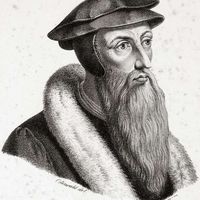
The Protestant Reformer John Calvin (1509-1564) arrived in Geneva to lead the city’s church in 1536, but not, as we might imagine, to universal acceptance. Rather, there was significant resistance and...
John 3:6-17 , Ephesians 2:8-10, Acts 16:31-34, 1 John 1:7, Philippians 2:5-8 , Matthew 5:14-16, Romans 12:1-2
O Lord God, You have commanded us to believe in Jesus; and I would flee to no other refuge, wash in no other fountain, build on no other foundation, receive from no other fullness, res...