Acts 7:55-60, Luke 9:22, Luke 12:8, Acts 2:34, Mark 1:14-15, Luke 23:34, Acts 8:1, Acts 9:1, Mark 9:40, Romans 5:6-11
Preaching Angle: Jesus’ Crucifixion, Stephen’s Martyrdom When Stephen saw “the Son of Man standing at the right hand of God,” the surrounding crowd of God’s people should have begged him to explain ...
Acts 7:55-60, Luke 9:22, Luke 12:8, Acts 2:34, Mark 1:14-15, Luke 23:34, Acts 8:1, Acts 9:1, Mark 9:40, Romans 5:6-11
Preaching Commentary Preaching Angle: Jesus’ Crucifixion, Stephen’s Martyrdom When Stephen saw “the Son of Man standing at the right hand of God,” the surrounding crowd of God’s people should have...
These disciples turned the world upside down because they saw a dead man come back to life by the power of God. And whatever that “knowing” and “seeing” did in them, it did it at a deep level because ...
Acts 8:1-3, 2 Timothy 3:12, 1 Peter 4:12-16, Matthew 5:10-12, Luke 6:41-42, Genesis 3:8-19, Genesis 39:6-20, Job 2:11-13, Job 42:7-9
Most of us are aware of various persecutions that took place during the first few centuries of the church’s existence. One particularly brutal local persecution took place during the reign of Nero, wh...
Daniel 3:16–18, Daniel 6:19–22, Acts 7:54–60, Matthew 5:10–12, Psalm 116:15
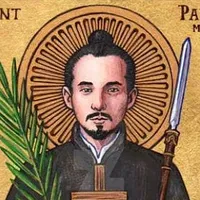
Christianity first reached Japan in 1549, due to the heroic missionary work of the Jesuit priest Francis Xavier and his companions. In the next sixty years, over three hundred thousand Japanese citize...
John 3:16-17, Romans 5:8, 1 John 4:9-10, Matthew 27:45-50, Isaiah 53:1-5, Luke 23:34, 2 Corinthians 5:14-15, Ephesians 5:2, John 15:13
In George Bernard Shaw’s play about Joan of Arc , as Joan faces her execution by burning, she addresses those in power who have condemned her: “I will now go to the common people and find comfort in ...
Matthew 6:14-15, Colossians 3:12-13, 2 Timothy 4:7-8, Matthew 10:32-33, Ephesians 4:31-32, Mark 11:25, 1 John 1:7, Matthew 18:21-35, Matthew 5:23-24
In the second century, a priest from Antioch named Sulpicius had steadfastly refused to sacrifice to the gods, even under torture, and was being led away to be beheaded. As he walked, a Christian name...
The apostles were like a capstone spectacle in the arena, the supreme sacrifice to satisfy the bloodlust of the world. In their weakness, pain, and suffering, they become to this world just another fo...
Mark 6:14-29, Mark 6:6b-13, Mark 6:30, John 1:14, Mark 6:30, Mark 8:29, Mark 6:4, Mark 8:27-28, 1 Kings 19:1-10, 1 Kings 21:17-26, Mark 9:13, Romans 7:18-25, Mark 14:1-12
Context Between the Sending and Return of the Twelve The fate of John the Baptist appears in a Markan ‘sandwich,’ where the story is told almost as a detour between the sending (ἀποστέλλω) of the ...
1 Peter 4:13-14, Acts 7:59-60, Hebrews 11:36-38, Matthew 5:10-12, Romans 8:18
John Huss, the Bohemian reformer, was burned at the stake in 1415. Before his accusers lit the fire, they placed on his head a crown of paper with painted devils on it. He answered this mockery by say...
Context This passage comes right at the end of the Gospel of John (save for just a few concluding verses). John 21 reads as a rather strange epilogue to this gospel, especially after chapter 20 has ...
Revelation 12:11, Philippians 1:20-21, 2 Corinthians 4:11, Hebrews 11:35-38, Matthew 16:24, Psalm 44:22, John 14:6
Every one of the disciples faced the test of torture, and all but the apostle John were martyred for their teachings and beliefs. People will die for what they believe to be true, though it may actual...
Revelation 2:10, Matthew 5:10-12, 2 Timothy 4:7-8, 1 Peter 4:12-13, James 1:12, Psalm 46:1-3
Like a scene straight out of Gladiator, Polycarp was dragged into the Roman Colosseum. Discipled by the apostle John himself, the aged bishop faithfully and selflessly led the church at Smyrna through...
Matthew 16:25, Romans 8:17-18, Philippians 1:21, 2 Corinthians 4:17, Psalm 116:115, Daniel 3:, Daniel 6:
How many modern Christians consider dying to be the worst thing that can happen to them? We pray for safety, healing, and protection, and rightly so. However, do we live in the truth that death has tr...
Mark 6:14-29, Mark 6:6b-13, Mark 6:30, John 1:14, Mark 6:30, Mark 8:29, Mark 6:4, Mark 8:27-28, 1 Kings 19:1-10, 1 Kings 21:17-26, Mark 9:13, Romans 7:18-25, Mark 14:1-12
Between the Sending and Return of the Twelve The fate of John the Baptist appears in a Markan ‘sandwich,’ where the story is told almost as a detour between the sending (ἀποστέλλω) of the Twelve (6...
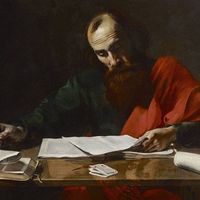
Introduction Believed to be some of Paul’s last words of his long ministry, 2 Tim. 4:6ff are Paul’s closing remarks to his beloved disciple, Timothy. Imprisoned in Rome by this point, Paul concludes ...
Revelation 2:10, Psalm 71:20-21, Philippians 3:10-14, Luke 21:16-19, 2 Corinthians 4:17-18, Romans 8:17-18, James 1:12
One of the great leaders of the first generation after the apostles was a man named Polycarp. Polycarp, it is believed, was discipled by the apostle John and carried out a long and fruitful ministry i...
Daniel 3:16–18, 2 Chronicles 33:10–13 , Isaiah 50:7, Luke 22:61–62, Psalm 51:10–13 , 1 Peter 3:11-17
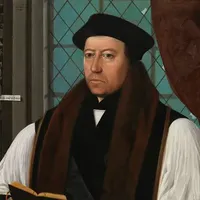
Facing imminent death, Thomas Cranmer—the Archbishop of Canterbury who crafted the foundational Book of Common Prayer for Anglican worship—succumbed to terror and signed a document renouncing hi...
In December 1666, Hugh MacHale, the youngest and most gallant of the Covenanters (a 17th century pro-Presbyterian group in Scotland), was brought to his trial in Edinburgh. He was given four days to l...
Leader: In today’s Scripture reading, we will hear the story of a violent man named Saul, whose life was radically changed by Jesus. Before encountering Jesus, Saul persecuted Christians; after enco...
Daniel 3:, Job 1:, Matthew 10:32-33, 2 Timothy 1:7, Psalm 31:24
Thomas Cranmer (1489–1556), the archbishop of Canterbury from 1532 to 1556, played a pivotal role in the English Reformation. A key figure in Henry VIII’s break with the Roman Catholic Church, Cranmer...
Every one of the disciples faced the test of torture, and all but the apostle John were martyred for their teachings and beliefs. People will die for what they believe to be true, though it may actual...
We may never be martyrs but we can die to self, to sin, to the world, to our plans and ambitions. That is the significance of baptism; we died with Christ and rose to new life.
Preaching Commentary Introduction Believed to be some of Paul’s last words of his long ministry, 2 Tim. 4:6ff are Paul’s closing remarks to his beloved disciple, Timothy. Imprisoned in Rome by this...
Daniel 3:16–18, Daniel 6:19–22, Acts 7:54–60, Hebrews 11:35–38, Psalm 116:15
Two thousand years ago, Christians were often hunted down and killed. Amid this darkness, the church began a radical practice. When a brother or sister was martyred for faith in Jesus, the Christian c...
At the beginning of the third century in North Africa, persecution of Christians broke out in Carthage. One of the catechumens taken into custody was Perpetua, a noblewoman still nursing her son. Whe...
In a sermon delivered at his home church (Church of the Holy Family, Chapel Hill, North Carolina), Christian ethicist Stanley Hauerwas turns his attention to the topic of glory: Our glory, therefore...
The outline of Bonhoeffer’s story is well known. In 1927 he was a student earning a doctorate in theology from Berlin University at the age of twenty-one. In 1930 he was a debater crossing theological...
Matthew 5:10-12, Revelation 2:10, Acts 5:41, Philippians 1:29, 1 Peter 4:12-14
Hugh Latimer and Nicholas Ridley, two men burned at the stake for their faith in Oxford in 1555. According to sources, as the flames leaped up, Latimer was heard to say calmly, “Be of good comfort, Mr...