1 Corinthians 1:10-13, Mark 3:24-25, Philippians 2:3-4, James 3:16, Ephesians 4:3-6, Romans 12:8
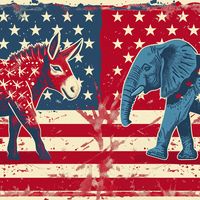
Our first president, George Washington, refused to run as a member of any political party. He wanted to be a president to all Americans. Washington firmly believed that political parties would divide ...
Mark 1:14-15, Romans 1:16, 1 Corinthians 15:1-4, Luke 2:10-11, Colossians 1:23
It would be an understatement to say the term gospel is an important term in the Scriptures. Not only is it central in Scripture, but churches have adopted the term as their most beloved adjective. Yo...
John's Only Question While Peter sucks up all the oxygen in the room with loads of questions, John only gets one direct question to Jesus recorded in the Gospels. In the passage immediately pre...
John's Only Question While Peter sucks up all the oxygen in the room with loads of questions, John only gets one direct question to Jesus recorded in the Gospels. In the passage immediately pre...
Nehemiah 1:1-11, Acts 16:25-34, Mark 4:35-41, Acts 2:1-13, Luke 10:25-37, Matthew 11:28-30, Acts 1:8
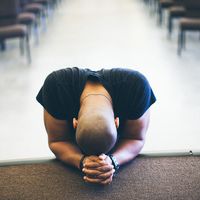
Lord–Father, Son and Holy Spirit: Thank You that there’s no place we can hide from Your Spirit, no place we can flee from Your presence. We can’t go beyond the reach of Your love, nor out-distance the...
Galatians 5:14, Matthew 12:1-8, John 4:1-26, James 1:27, 1 John 4:20-21, Matthew 23:23, Mark 12:30-31
The only clear line I draw these days is this: when my religion tries to come between me and my neighbor, I will choose my neighbor…Jesus never commanded me to love my religion.
Romans 16:17-18, 1 Corinthians 1:10-13, Titus 3:9-11, Mark 3:24-26
In the mid-2000s, a Trans-Atlantic movement emerged, characterized by a rejection of organized religion and the ascent of what came to be known as the “New Atheism.” This trend gained notable traction...
Mark 7:1-23, Mark 7:1-12, Isaiah 29:13, Exodus 12:6-20, Deuteronomy 6:20-25, Joshua 4:1-9
Context Ritual Purity The most important broad contextual issue to address with this passage is the concept of ritual purity, and the ways in which this served as a boundary and identity marker for ...
Mark 7:1-8, 14-15, 21-23, Mark 7:11-12, Isaiah 29:13, Exodus 12:6-20, Deuteronomy 6:20-25, Joshua 4:1-9
Context Ritual Purity The most important broad contextual issue to address with this passage is the concept of ritual purity, and the ways in which this served as a boundary and identity marker for ...
Mark 9:24, Romans 10:17, John 20:27, 1 John 4:1, 1 Thessalonians 5:21, Proverbs 3:5-6
Have you ever noticed that the phrases in our culture favor doubt over faith? The famed missionary and theologian Lesslie Newbigin pointed this out when we speak of “Honest doubts” and “blind faith”. ...
Mark 12:28-34, Deuteronomy 6:4-9, Matthew 22:35–40, Mark 12:28–34, Luke 10:27, Leviticus 19:17-18, Ruth 1:1-18, Psalm 146:, Deuteronomy 6:1-9, Psalm 119:1-8, Hebrews 9:11-14
Ancient Lens What's the historical context? An Honest Inquiry from the Religious Leaders It is easy—perhaps tempting—to read this passage with built-in sarcasm because we know the general ton...
Genesis 2:1-3, Exodus 20:8-11, Deuteronomy 5:12-15, Mark 2:27-28, Matthew 12:8, Luke 6:5
For the most part, contemporary Christians pay little attention to the Sabbath. We more or less know that the day came to reflect, in U.S. culture, the most stringent disciplinary faith of the Puritan...
Luke 12:33-34, Luke 18:28-30, Acts 2:44-45, Matthew 19:21, Mark 10:29-30, Luke 14:26
Family and property, then, were not for the ancient Jew simply what they are to the modern western world. Both carried religious and cultural significance far beyond personal, let alone “individual,” ...
Matthew 6:1-6, Deuteronomy 6:4-9, Matthew 23:4, 5, 13-36, Mark 12:42, Luke 21:2, Isaiah 58:6, Joel 2:1-2, 12-17
Ancient Lens What can we learn from the historical context? "Hear O Israel..." The Shema (Deuteronomy 6:4-9) commands the Israelites to love the Lord their God with heart, soul, and m...
Exodus 8:11, Mark 2:27, Genesis 2:3, Matthew 5:12-15
Sunday observance of the Sabbath was the subject of forty-seven acts of Parliament and often debated by American legislators in the nineteenth and early twentieth centuries.
Mark 12:30-31, James 1:22, James 2:14-17, 1 John 3:18, Hebrews 11:1, 2 Corinthians 5:17, John 1:12
When people are asked what they believe in, they give, not merely different answers, but different sorts of answers. Someone might say, “I believe in UFOs”—that means, I think UFOs are real. “I believ...
Ancient Lens What's the historical context? Context in Mark Recall the context. In chapter 11, Jesus entered Jerusalem to much acclaim and briefly entered the temple (vv. 1-11). The next day,...
1 Peter 1:8-9, 2 Corinthians 5:7, Mark 9:24, Ephesians 2:8-9, Romans 10:17, Hebrews 11:6
In a quiet hospital room in North Carolina, an eager young doctor with a bright future evaluates his elderly patient with not much future left at all. She has a terminal heart condition, inoperable. A...
One key difference between much of the early church vs. the church of today (at least in the West) was the belief in, and regular experience of, miracles. As Joel Green, the noted professor and writer...
John 17:1, Philippians 4:6, James 5:16, 1 Thessalonians 5:17, Matthew 6:6, Acts 6:4, Mark 1:35
It’s no secret that too many evangelical leaders are captivated more by business culture than biblical culture, spending more time absorbed in strategies and effectiveness and relatively little time i...
Mark 8:36, Matthew 16:26, Romans 12:2, 1 Corinthians 1:26-31, Mark 4:18-19, Mark 10:43-44, Matthew 19:23-24, Matthew 6:19-21, 24-34, Luke 12:13-21, Luke 12:32-34, Mark 10:24-25, Hebrews 10:25
The defining problem driving people out is …just how American life works in the 21st century. Contemporary American life simply isn’t set up to promote mutuality, care, or common life. Rather, it is d...
Good and Gracious Lord, You hold us in the palm of Your strong hand, working all things for our good and to Your glory. There’s no place we can go that escapes Your notice and is hidden from Your lovi...
Isaiah 11:6-9, Daniel 7:13-14, 1 Thessalonians 4:16-17, 2 Peter 3:10-13, Mark 1:15, Acts 2:38
N. T. Wright relates a story from Josephus that illustrates the meaning of "repent and believe" in the first century. Around AD 66, Josephus made a military expedition to Galilee to put dow...
Mark 2:23-28, Mark 3:1-6, Acts 12:12, Acts 12:25, Acts 15:37-39, Colossians 4:10, 2 Timothy 4:11, Philemon 1:24, 1 Peter 5:13, Mark 1:14-15, Mark 2:1-22, Exodus 20:8-11, Deuteronomy 5:12-15, Exodus 34:21, 1 Samuel 21:1-6, Luke 11:37-54, Mark 2:1-17, Genesis 1:26-31, Genesis 2:1-2, Genesis 3:null, John 19:30
Context Authorship of Mark Mark’s account of the story of Jesus is commonly held to be the earliest of the four canonical Gospels. Early church tradition identifies the author as Mark (or John Mark)...
Mark 6:14-29, Mark 6:6b-13, Mark 6:30, John 1:14, Mark 6:30, Mark 8:29, Mark 6:4, Mark 8:27-28, 1 Kings 19:1-10, 1 Kings 21:17-26, Mark 9:13, Romans 7:18-25, Mark 14:1-12
Between the Sending and Return of the Twelve The fate of John the Baptist appears in a Markan ‘sandwich,’ where the story is told almost as a detour between the sending (ἀποστέλλω) of the Twelve (6...
Ecclesiastes 7:10, Colossians 2:8, Matthew 9:17, 1 Thessalonians 5:21, Romans 12:2, Mark 7:8-9, Isaiah 43:19
It’s funny how sometimes members of the church can associate anything new with “heresy.” We often make the mistake of confusing technological innovations or scientific discoveries for changes to the g...