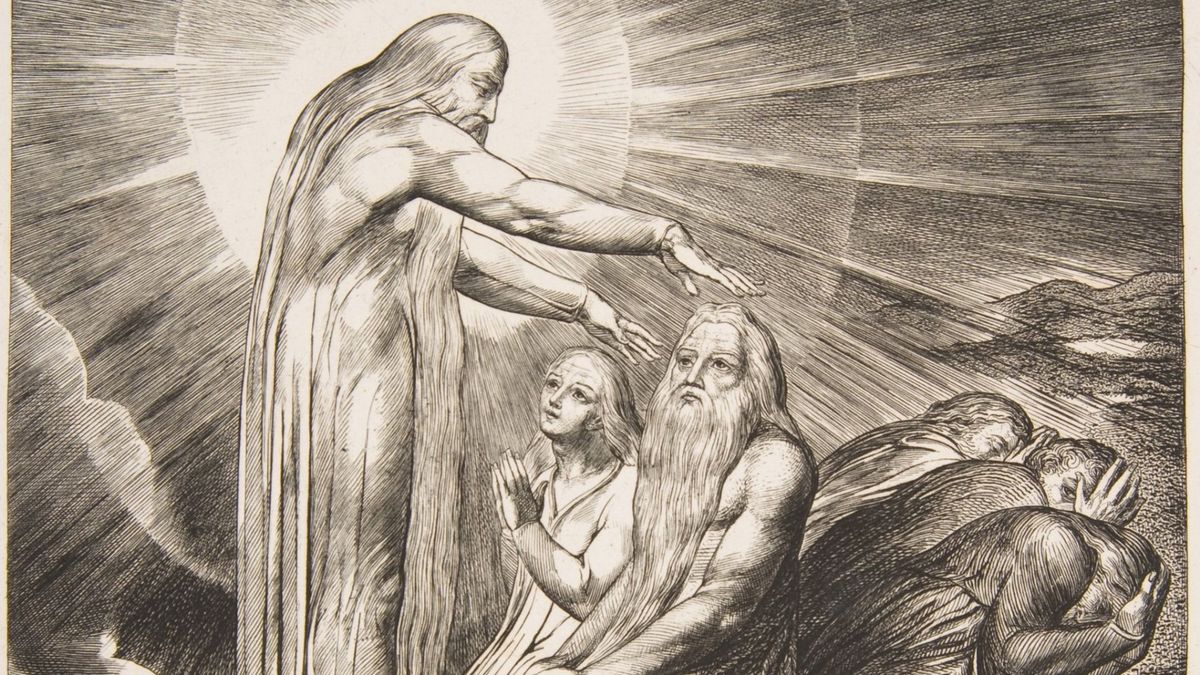
Exodus 2:1–10, 1 Samuel 16:11–13, Jeremiah 1:4–7, Luke 2:7, 40, 1 Corinthians 1:26–29, Psalm 139:13–16
British author Leonard Ravenhill told the story of a group of tourists visiting a picturesque village where they saw an old man sitting by a fence. In a rather patronizing way, one of the visitors ask...
1 Kings 19:11-13 , Exodus 33:12-23, Jeremiah 1:4-10 , Luke 10:38-42, John 1:1-14 , Psalm 139:1-18
Contemplation is also the response to a call: a call from Him Who has no voice, and yet Who speaks in everything that is, and Who, most of all, speaks in the depths of our own being: for we ourselves ...
Exodus 3:1–12 , Isaiah 43:1–2, 1 Samuel 16:6–13, Luke 15:11–32, John 10:14–16 , Psalm 139:1–6
John Berkley told a story about how he loves live professional choir concerts. At one concert, the conductor asked if anyone in the audience was there celebrating their birthday. Now, it was actually ...
Exodus 3:10-12, 1 Samuel 3:8-10, Matthew 4:18-20, Acts 9:3-6, 2 Timothy 1:9, Psalm 139:13-16
Older notions of vocation and vocational development assumed that people wrestled with matters of vocation as a young adult. It has been commonly assumed that vocational counseling was provided in hig...
I can lose my job; I might be released from a position. My career can come to an end when I retire from the organization I work in. But my vocation comes from God; it remains and is not in the end som...
God calls people. Whether it is the calling of Abraham to leave the land of Ur and go he knew not where, or the calling of Moses, confronted with the burning bush, or the calling of Isaiah who encount...
Galatians 1:10, Colossians 3:23, Psalm 139:13-14, Proverbs 29:25, Romans 8:31, 1 Thessalonians 2:4, 1 Samuel 16:7, Romans 12:2, John 1:12
George Herbert Mead, an influential early 20th-century sociologist, coined the term “generalized other” to describe the vague group we consider when shaping our actions. How often do we behave a certa...
Psalm 139:13-16, John 16:33, Ephesians 4:3-6, Isaiah 40:29-31, 2 Corinthians 12:9, Jeremiah 1:4-10, Matthew 5:9
Faithful God, our Father, Lord and Counselor: By your grace you know our names before we are even born. By your grace you call us your own sons and daughters. By your grace you give us an eternal purp...