Daniel 3:16–18, Daniel 6:19–22, Acts 7:54–60, Hebrews 11:35–38, Psalm 116:15
Two thousand years ago, Christians were often hunted down and killed. Amid this darkness, the church began a radical practice. When a brother or sister was martyred for faith in Jesus, the Christian c...
Exodus 5:1–2, 1 Kings 18:21–39, Daniel 3:16–18, Matthew 5:14–16, Acts 4:19–20, Psalm 2:1–2, 10–12
Most secularists are too politically savvy to attack religion directly or to debunk it as false. So what do they do? They consign religion to the value sphere—which takes it out of the realm of true a...
John 16:33, Daniel 3:16–30, Exodus 14:13–14 , John 16:33, Romans 8:28, 31–34, Psalm 91:1–4
Max Lucado tells a true story showing that God's determination to shape His followers proves stronger than Satan's most persistent efforts to discourage them. What the enemy plans for destruc...
Daniel 3:16–18, 2 Chronicles 33:10–13 , Isaiah 50:7, Luke 22:61–62, Psalm 51:10–13 , 1 Peter 3:11-17
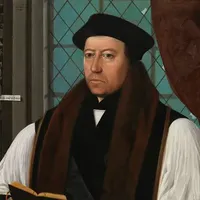
Facing imminent death, Thomas Cranmer—the Archbishop of Canterbury who crafted the foundational Book of Common Prayer for Anglican worship—succumbed to terror and signed a document renouncing hi...
Exodus 23:2, Daniel 3:16-18, 2 Chronicles 24:20-21, Matthew 5:9-10, Romans 12:19-21 , Psalm 82:3-4
In the early fifth century, even as Rome had officially embraced Christianity, the brutal spectacle of gladiatorial combat continued in the Colosseum, drawing massive crowds. One day, a Christian herm...
Daniel 3:16-18, 1 Kings 18:21, Isaiah 55:8-9 , Romans 14:5-8, Psalm 119:105, Matthew 7:15-16
First, most Christians attach their convictions to Christ personally. In other words, we form our convictions in order to please Jesus, not ourselves. Convictions do not express what we think or feel ...
Daniel 3:, Job 1:, Matthew 10:32-33, 2 Timothy 1:7, Psalm 31:24
Thomas Cranmer (1489–1556), the archbishop of Canterbury from 1532 to 1556, played a pivotal role in the English Reformation. A key figure in Henry VIII’s break with the Roman Catholic Church, Cranmer...