Preaching Commentary Confusion about Epiphany The celebration of the Epiphany of our Lord can be at once both wholly familiar or somewhat confusing, especially for those who grew up in less liturgi...
Isaiah 60:1-6, Genesis 32:30, John 2:1-12, Isaiah 9:2, Matthew 4:16, Ephesians 5:8, Luke 1:78, Titus 2:11, Isaiah 49:6, John 1:5, Isaiah 60:19, Revelation 22:5
Preaching Commentary Word Study Ἐπιφάνεια: The Greek word from which the English transliterates Epiphany is a combination of a preposition and a verbal idea. Epi -upon and fainō -to shine, illumi...
Isaiah 42:1-9 , Exodus 4:1-17, 1 Kings 18:20-39 , Matthew 3:13-17, John 2:1-11, Psalm 72:18-19
Epiphaneia in New Testament Greek means manifestation. An effective method of teaching the content of the faith, not often enough used, is to instruct congregations in the texts of the seasonal hym...
Psalm 72:1-7, 10-14, Matthew 2:1-12, Hebrews 7:1-2, Genesis 14:8, John 10:10-14
Context Psalm 72 is one of two psalms (along with 127) that is attributed to Solomon, and it fits within a slightly larger group of psalms traditionally considered “royal psalms,” perhaps used as cor...
Ancient Lens How can we learn from the historical context? The Purpose of Matthew's Gospel Matthew didn’t write his Gospel merely to record facts about Jesus’ life, death, and resurrection. H...
Isaiah 60:1-6 , Numbers 24:17 , 2 Kings 5:1-19 , Matthew 2:1-12 , John 1:29-34, Psalm 72:10-11
Serious attention paid to the themes of the season following the Feast of the Epiphany, in particular, can be a strong antidote to a weak Christology. To be sure, all of the church calendar is formed ...
Preaching Commentary Preaching Angle: Irony When we discover a bit of irony in life, we feel like we’ve struck gold. When we stumble upon a bit of irony in Scripture, it’s holy gold! Maybe you read...
One of the beauties of the lectionary is that it brings together the Old and New Testament in the way the first Christians saw them. It gives us “binocular” vision instead of the lack of depth percept...
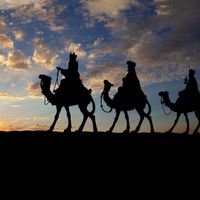
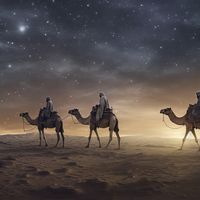
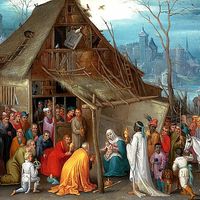
Epiphany is sometimes called the “Feast of Light.” Epiphany remembers the revelation of Jesus as king and Messiah to the gentiles when the Magi visited the young Jesus. The Wise Men are the first ge...
Matthew 5:21-37, Matthew 23:23, Matthew 5:13, Matthew 7:2
Preaching Commentary The teachings contained in this passage are, for my money, as difficult to preach as any lectionary text. Not only is each teaching difficult in its own right, but each has also...
Matthew 5:13-20, James 3:1, Matthew 4:16, Matthew 6:23, Matthew 10:27, 1 John 1:4-7, 1 John 1:7, 1 John 2:9-10
Preaching Commentary Restored or Thrown Out? Having grown accustomed to the redemption theme that permeates Scripture, I find the answer that Jesus provides to his own question in v. 13 unexpected ...
Preaching Commentary Imagine Jesus at the beginning of his ministry He calls his first disciples – the educated and advantaged? No. Some fishermen. He travels around his home region of Galilee proc...
Matthew 4:12-23, Romans 5:12-21, Matthew 3:2-3, Isaiah 42:1-4, Hebrews 12:2, Genesis 1:3, Ephesians 2:1-10, Romans 8:3, Psalm 68:18, Ephesians 4:8
Preaching Commentary Preaching Angle: John Arrested, Jesus Preaches the Kingdom The major event in redemptive history which immediately precedes this passage is Jesus’ temptation in the wilderness....
Luke 5:1-11, Matthew 4:18-22, Mark 1:16-20, Isaiah 6:1-8, Jeremiah 16:14-21, Jeremiah 16:16
Preaching Commentary Peter's and Isaiah's Confessions Jesus calling the disciples from their fishing appears in Matthew 4:18-22; Mark 1:16-20, and Luke 5:1-11. Yet only Luke makes the beaut...
Luke 6:27-38, Isaiah 50:6, Lamentations 3:28-30, Psalm 37:null, Romans 5:7-8, Matthew 18:23-35, Deuteronomy 10:17-19, Leviticus 19:33-34, Ephesians 2:11-22, Galatians 3:28
Preaching Commentary The context Having addressed his disciples with the blessings and woes (6:20-26), Jesus now addresses the multitude of people (6:17, cf. 7:1). As with the blessings and woes, L...
Luke 6:17-26, Matthew 5:1-12, Luke 4:33, Luke 16:19-31, Psalm 9:10, Psalm 12:6, Isaiah 41:17, Zephaniah 3:12, Luke 4:18, James 4:8-10, Luke 5:11, 28, Luke 14:25-33, 1 Peter 4:14, Jeremiah 6:13
Preaching Commentary The context The beatitudes are one of the most well-known aspects of Jesus teaching. As in the more familiar account in Matthew (5:1-12), Luke presents these words as Jesus’ fi...
Matthew 2:1-2, Ephesians 3:6, 1 Kings 10:1-13, John 1:9, Philippians 2:10-11
In many Christian lands Epiphany is the most important feast of Christmas. Especially in Latin countries the arrival of the Wise Men, the Three Kings, looms large in the imagination. My native city, N...
Luke 9:28-36, (37-43a), Luke 9:28-43, Matthew 17:1-13, Mark 9:2-13, Luke 9:19, Luke 9:22-27, Exodus 14:19-20, Numbers 9:15-16, Ezekiel 10:, Psalm 18:, Isaiah 4:, Daniel 7:9-14, Exodus 34:29-35, Deuteronomy 18:15-19, 2 Peter 1:16-18, John 1:4-9, John 1:14, Revelation 1:12-16, Exodus 13:21, Exodus 24:15-18, Exodus 40:34-35, 2 Chronicles 5:13-14, Luke 9:37
Preaching Commentary The Context Introduction The Transfiguration stands out like, well, a bright light on a dark mountainside in the Gospel of Luke. The customary earthiness of the rest of the go...
Preaching Commentary Drama at Its Finest The transfiguration is theatrical. It is drama at its finest. The mountain peak as the stage of the performance, the appearance of the greatest dramatis per...
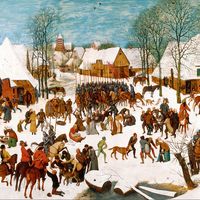
Presentations of the Matthean narrative that have had such an illustrious life in art and imagination are not complete without the disturbing involvement of Herod and the political killings that resul...
Matthew 3:13-17, John 1:29, Romans 6:4, Ephesians 1:7, 2 Kings 5:null, Joshua 3:null
Preaching Commentary Defined by Action and Accessibility Action defines us. We either play the game or we sit on the sidelines. We either get our hands dirty and by doing so gain credibility or we ...
The Strain of Time Time marches forward for all of us, doesn’t it? There are 365 days in the Gregorian calendar. There are 365 days in the Liturgical calendar. While the respective beginnings and en...
Confusion about Epiphany The celebration of the Epiphany of our Lord can be at once both wholly familiar or somewhat confusing, especially for those who grew up in less liturgical traditions. What ca...
How does the theme of glory that predominates in Epiphany fit with the large amount of space devoted to the Sermon on the Mount during the season? It all depends on what one means by glory. The “g...
In many parts of the world, on Epiphany, you will see a strange formula chalked above the doors of local homes. In 2024, it would read: 20 ✝ C ✝ M ✝ B ✝ 24 The “chalking of the doors” is an ...
Isaiah 60:1-6, Genesis 32:30, John 2:1-12, Isaiah 9:2, Matthew 4:16, Ephesians 5:8, Luke 1:78, Titus 2:11, Isaiah 49:6, John 1:5, Isaiah 60:19, Revelation 22:5
Word Study Ἐπιφάνεια: The Greek word from which the English transliterates Epiphany is a combination of a preposition and a verbal idea. Epi -upon and fainō -to shine, illuminate. An epiphany is li...
John 1:null, Matthew 2:null, John 1:1-14, Matthew 2:1-12
Hallelujah! Help Us Shine! Welcome Glorious One Lord of Life and Light Dawn in us your power and peacemaking Hallelujah! Help us shine! You bathe us in the light of your grace, that we may be grace...
Psalm 19:1-2, John 1:9, Luke 2:13-14, Revelation 22:16, Matthew 17:1-8
We have been having epiphanies like suns, all this year long. And now, at its close when the planets are shining through frost, light runs like music in the bones, and the heart ke...
Though it has fallen out of favor in many English-speaking countries, it is traditional in many parts of the world to prepare and eat a Kings’ Cake on Twelfth Night (Jan 5) or Epiphany (Jan 6). Though...
Judges 6:11-24, Exodus 3:1-6, Isaiah 6:1-5 , Matthew 2:1-12 , John 2:1-11, Luke 2:8-10
Epiphanies in Scripture are met with reactions of disbelief (Gideon), awe (the Magi), amazement (Cana), or—most often—“fear and trembling.” It is precisely for this reason that the biblical angels are...