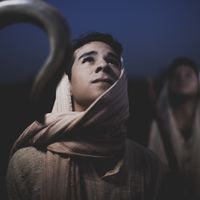
Matthew 13:, Philippians 3:1, 1 Samuel 3:1–10 , Exodus 7:12, Deuteronomy 6:4–9 , Psalm 136:
In the second century before Christ the great rival to Roman power in the Mediterranean world was Carthage, the Phoenician city-state located on the north African coast. It had been founded in 822 B.C...
Luke 11:1–4 , Romans 8:26–27, Psalm 119:171–173 , Exodus 33:11 , Deuteronomy 6:4–9 , 1 Samuel 3:1–10
When our will wholeheartedly enters into the prayer of Christ, then we pray correctly. Only in Jesus Christ are we able to pray, and with him we also know that we shall be heard. And so we must learn ...
1 Samuel 3:9-10, Deuteronomy 6:4-5 , Matthew 4:19-20, John 10:27, Luke 11:28, Psalm 85:8
The interplay between listening and obedience expresses itself in our lives all the time. Sound has the ability to “command” us, to summon a response in us, forcing us to take notice. Unlike visual ...
1 Samuel 3:1-10, Psalm 119:105 , James 1:22-25 , John 10:27, 2 Timothy 3:16-17, Deuteronomy 30:19-20, Proverbs 4:20-22
Father God, you come to us in the everyday. You give us your Word and your Spirit that we might hear your voice, and follow your ways. We confess that we have neglected your words to us and pretended ...