Preaching Commentary Background to the Letter and Passage Paul’s letter to the Ephesians was probably intended for wider distribution and use among the various churches around Ephesus. As such, the...
Background to the Letter and Passage Paul’s letter to the Ephesians was probably intended for wider distribution and use among the various churches around Ephesus. As such, there is no particular cri...
Matthew 11:16-19, Ephesians 4:14, Mark 10:14, 1 Samuel 16:7, 1 Thessalonians 2:4, 1 Corinthians 6:14, 2 Timothy 2:15, Proverbs 23:12, Proverbs 3:5, Acts 26:24
The Missing “Advent” Text A lectionary preacher moving from the fifth to the sixth Sunday after Pentecost in Year A will notice that a familiar chunk is missing, sent back in time to the third Sunday...
Matthew 11:16-19, 25-30, Ephesians 4:14, Mark 10:14, 1 Samuel 16:7, 1 Thessalonians 2:4, 1 Corinthians 6:14, 2 Timothy 2:15, Proverbs 23:12, Proverbs 3:5, Acts 26:24
Preaching Commentary The Missing “Advent” Text A lectionary preacher moving from the fifth to the sixth Sunday after Pentecost in Year A will notice that a familiar chunk is missing, sent back in t...
Acts 2:1-21, Acts 1:8, Ezekiel 37:1-14, 1 Samuel 10:5-12, 1 Kings 19:9-13, Joel 2:28-32, Genesis 11:1-9
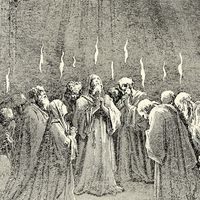
Clothed with Power I have a daughter who cannot acquire enough clothes. Every birthday, Christmas, or special occasion is an opportunity to shop online for something new. Fashionable rags give her a ...
What Are We Waiting For? Tom Petty and the Heartbreakers sang, “Every day you get one more yard, you take it on faith, you take it to the heart, the waiting is the hardest part.” Waiting in love, in...
Preaching Commentary What Are We Waiting For? Tom Petty and the Heartbreakers sang, “Every day you get one more yard, you take it on faith, you take it to the heart, the waiting is the hardest part...
Acts 2:1-21, Luke 24:49, Acts 1:8, Acts 1:15, Exodus 20:null, Acts 2:9-11, 1 Samuel 10:10, Ezekiel 7:1-14, 1 Kings 19:11-12, Joel 2:28-32, Genesis 11:7-9
Preaching Commentary Clothed with Power I have a daughter who cannot acquire enough clothes. Every birthday, Christmas, or special occasion is an opportunity to shop online for something new. Fashi...
An attempt to wrest from God the prerogatives of absolute freedom and infinity leads to the inversion of Pentecost and what is in effect a new Babel. 'Postmodernism' represents that Babel perf...
Nehemiah 1:1-11, Acts 16:25-34, Mark 4:35-41, Acts 2:1-13, Luke 10:25-37, Matthew 11:28-30, Acts 1:8
Lord–Father, Son and Holy Spirit: Thank You that there’s no place we can hide from Your Spirit, no place we can flee from Your presence. We can’t go beyond the reach of Your love, nor out-distance the...
Genesis 2:15, Acts 2:1-41, Mark 2:1-12, Luke 10:25-37, John 11:25-26, Revelation 21:4
Deacon or other leader Let us pray for the Church and for the world. Grant, Almighty God, that all who confess your Name may be united in your truth, live together in your love, and reveal your glo...
Colossians 1:28, Romans 12:2, Acts 11:26, Luke 9:23, John 17:3, Matthew 28:19-20
Jesus didn’t tell his friends, “Go into all the world and make Christians.” But he did tell them to go into the world and make disciples. In fact, the Bible uses the word disciple 269 times. As Dallas...
Ancient Lens What can we learn from the historical context? A letter of friendship Paul’s letter to the Philippians is from Paul and his companions to the saints in Philippi. It is a letter fro...
John 12:1-8, Mark 14:1-2, Matthew 26:3-13, John 11:45, Luke 7:44-47, Matthew 26:6, Mark 14:3, Luke 7:40, John 11:50-53, Luke 24:41-43, John 21:10-14, Acts 10:40-41, John 12:7, Philippians 2:6-8, Romans 6:1-10
Introduction This narrative is slightly changed from the Synoptic accounts. Matthew and Mark’s Gospels place this narrative two days prior to the Passover (Matt: 26:6-13; Mark 14:1). Three Evangelist...
John 12:1-8, Mark 14:1-2, Matthew 26:3-13, John 11:45, Luke 7:44-47, Matthew 26:6, Mark 14:3, Luke 7:40, John 11:50-53, Luke 24:41-43, John 21:10-14, Acts 10:40-41, John 12:7, Philippians 2:6-8, Romans 6:1-10
Preaching commentary Introduction This narrative is slightly changed from the Synoptic accounts. Matthew and Mark’s Gospels place this narrative two days prior to the Passover (Matt: 26:6-13; Mark ...
Mark 2:23-28, Mark 3:1-6, Acts 12:12, Acts 12:25, Acts 15:37-39, Colossians 4:10, 2 Timothy 4:11, Philemon 1:24, 1 Peter 5:13, Mark 1:14-15, Mark 2:1-22, Exodus 20:8-11, Deuteronomy 5:12-15, Exodus 34:21, 1 Samuel 21:1-6, Luke 11:37-54, Mark 2:1-17, Genesis 1:26-31, Genesis 2:1-2, Genesis 3:null, John 19:30
Context Authorship of Mark Mark’s account of the story of Jesus is commonly held to be the earliest of the four canonical Gospels. Early church tradition identifies the author as Mark (or John Mark)...
Mark 2:23-28, 3:1-6, Mark 2:23-28, Mark 3:1-6, Acts 12:12, Acts 12:25, Acts 15:37-39, Colossians 4:10, 2 Timothy 4:11, Philemon 1:24, 1 Peter 5:13, Mark 1:14-15, Mark 2:1-22, Exodus 20:8-11, Deuteronomy 5:12-15, Exodus 34:21, 1 Samuel 21:1-6, Luke 11:37-54, Mark 2:1-17, Genesis 1:26-31, Genesis 2:1-2, Genesis 3:null, John 19:30
Preaching Commentary Context Authorship of Mark Mark’s account of the story of Jesus is commonly held to be the earliest of the four canonical Gospels. Early church tradition identifies the author...
Hebrews 1:1-4, 2:5-12, Hebrews 1:1-4, Hebrews 2:5-12, Acts 18:24-26, John 1:1-18, Acts 18:24, Psalm 8:null, Acts 15:39, Mark 13:1-8, Daniel 12:1-3, Psalm 16:, 1 Samuel 1:4-20, 1 Samuel 2:1-10
Introduction, 1:1-4 While Hebrews is an anonymous letter, it is interesting to note that the KJV’s first verse is, “God, who at sundry times and in divers manners spake in time past unto the fathers ...
Hebrews 1:1-4, 2:5-12, Hebrews 1:1-4, Hebrews 2:5-12, Acts 18:24-26, John 1:1-18, Acts 18:24, Psalm 8:null, Acts 15:39, Mark 13:1-8, Daniel 12:1-3, Psalm 16:, 1 Samuel 1:4-20, 1 Samuel 2:1-10
Preaching Commentary Introduction, 1:1-4 While Hebrews is an anonymous letter, it is interesting to note that the KJV’s first verse is, “God, who at sundry times and in divers manners spake in time...
Luke 2:1-20, Matthew 1:18-25, John 1:1-15, Romans 8:14-16, Acts 1:8
Pastor: As the shepherds told everyone what had happened in Bethlehem on that first Christmas, we declare what we know and believe about God. People: I believe in God, the Father Almighty,...
Isaiah 9:6-7, Luke 2:1-20, Luke 2:13-14, Luke 2:8-20, Romans 15:13, Luke 1:46-55, Psalm 96:11-12, Luke 2:20, John 1:9, Luke 2:29-32, 2 Corinthians 4:6, Matthew 4:16, Matthew 5:14-16, Acts 2:1-4, Isaiah 11:6-9
Leader: Tonight old dreams die and new dreams come to life. The Promise is fulfilled! People: Glory to God in the highest, and on earth, peace. Leader: Hope gives way to joy and prayer to proclamati...
Luke 22:19-20, 1 Corinthians 11:23-26, Matthew 26:26-28, Acts 2:42, Acts 20:7, John 6:35
Lord Jesus Christ, on the cross you let your body be broken and your blood be shed. So often when we celebrate this act in communion, we fail to respond to your love in ways that glorify you. Sometime...
Luke 22:19-20, 1 Corinthians 11:23-26, Matthew 26:26-28, Acts 2:42, Acts 20:7, John 6:35, 1 Corinthians 10:21
At the heart of the present significance of the Lord’s Supper is our communion or fellowship with Christ, hence the term “communion service.” In coming to this service the believer comes to meet with ...
Luke 22:19-20, 1 Corinthians 11:23-26, Matthew 26:26-28, Acts 2:42, Acts 20:7, John 6:35
Every Communion is an embodiment of God’s grace. We hear God’s grace in the words that are spoken. But we also see it, hear it, touch it, and taste it in the bread and wine. God in his kindness, knowi...
Luke 22:19-20, 1 Corinthians 11:23-26, Matthew 26:26-28, Acts 2:42, Acts 20:7, John 6:35
If we are honest with ourselves, for many of us who celebrate the sacraments on a regular basis, at times we take them for granted. We lose sight of their nature to inspire and remind us of our covena...
Luke 22:19-20, 1 Corinthians 11:23-26, Matthew 26:26-28, Acts 2:42, Acts 20:7, John 6:35, 1 Corinthians 10:21
Paul talks about “the table of the Lord” in 1 Corinthians 10:21. We are hosted by Jesus. In Roman Catholicism the bread itself is effectively the host, because it hosts the physical presence of Christ...
John 1:14, Colossians 1:15-16, Philippians 2:5-11, Hebrews 1:1-3, Acts 4:12
In the Christian view, the ultimate evidence for the existence of God is Jesus Christ. If there is a God, we characters in his play have to hope that he put some information about himself in the play....