1 Kings 12:1–24, Nehemiah 1:1–11 , Daniel 3:1–30, Luke 4:16–30, Mark 12:13–17, Acts 25:26
In addition to worship in the temple, Jews met in synagogues for prayer and for reading the Scriptures. Jesus and Paul taught in synagogues. Jesus was executed by crucifixion, a Roman method of punish...
Exodus 1:8–22, 1 Kings 21:, Daniel 5:, Luke 22:24–27 , Acts 12:20–23, Psalm 2:
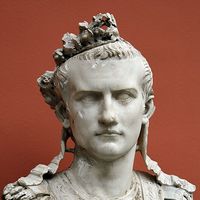
Gaius Caesar, more commonly known as Caligula (AD 12–41), was a Roman emperor notorious for his cruelty. He developed an insatiable appetite for gladiatorial games and other violent spectacles. On one...
Matthew 22:37-39, Matthew 25:35-40, Luke 3:11, Ephesians 5:2, Acts 2:42-47, James 2:14-17, Galatians 2:10, Psalm 72:12-14
A passage often referred to in order to describe the sacrificial, countercultural quality of the early church comes to us interestingly enough, from one of its strongest critics, known later to histor...
From a historical perspective it is atheism that was old and the Christian faith and its good news that burst on the world as new. Once commonly called “atomism,” the genealogy of atheism can be trace...
Textual Overview By the time we reach Acts 16, we’ve come a long way from resurrection morning. The good news about Jesus Christ has burst out of the tomb, out of Jerusalem, out of Judea, out of Juda...
Introduction There are two significant ways in which waiting is central to our passage today. First, there is the waiting to be reunited with the apostle Paul and the fledgling church in Thessalonica...
Acts 8:1-3, 2 Timothy 3:12, 1 Peter 4:12-16, Matthew 5:10-12, Luke 6:41-42, Genesis 3:8-19, Genesis 39:6-20, Job 2:11-13, Job 42:7-9
Most of us are aware of various persecutions that took place during the first few centuries of the church’s existence. One particularly brutal local persecution took place during the reign of Nero, wh...
Matthew 5:10-12, John 15:18-20, 2 Timothy 3:12, Acts 14:22, Romans 8:35-37, 1 Peter 4:12-14, 2 Corinthians 12:9-10, Acts 1:8, Romans 8:11, Isaiah 41:10
What is the witness of the church in times of persecution? The historical record demonstrates that persecutions of Christians were regular and prolific in the first centuries of the church, especially...
We have the best materials, media, and methods, but we lack spiritual power. Christians of the apostolic era had none of our advantages; they didn't even have the New Testament. Still, they turned...
Matthew 22:15-22, Matthew 20:18-19, Matthew 22:18-20, Acts 5:29, Matthew 20:25-28
A Notoriously Difficult Passage This passage includes one of the most iconic and quotable of Jesus’s interactions with his contemporary opponents. Jesus deftly steps out of a trap set for him by the ...
Matthew 25:15-22, Matthew 20:18-19, Matthew 21:45-46, Matthew 22:18-20, Exodus 20:4, Acts 5:29, Matthew 20:25-28
Preaching Commentary A Notoriously Difficult Passage This passage includes one of the most iconic and quotable of Jesus’s interactions with his contemporary opponents. Jesus deftly steps out of a t...
Preaching Commentary An Introduction from Luke Our passage begins with a note from the author (Luke) to his reader (Theophilus), which reminds us that Luke-Acts was initially meant to be two parts ...
Context This week’s reading from Acts recounts the call to Paul on his second missionary journey to go to Macedonia and his encounter with Lydia in Philippi. Textual Context The structure of the B...
Context This week’s reading from Acts recounts the call to Paul on his second missionary journey to go to Macedonia and his encounter with Lydia in Philippi. Textual Context The structure of the B...
James 1:27, Hebrews 13:2-3, 1 Peter 2:12, Galatians 6:10, Romans 12:13, Acts 2:44-45
The fourth-century emperor Julian (AD 331-336) feared [Christians] might take over the empire. Referring to Christians as “Galileans” and Christianity as “atheism” (because of their denial of the exis...
During each full moon, believing himself equal to the Roman gods, the Roman emperor Caligula would summon the moon goddess to share his bedchamber. When he asked Aulus Vitellius—a member of the Roman ...
James 1:27, Isaiah 1:17, Psalm 68:5, Matthew 25:34-40, 1 Timothy 5:3-4, Zechariah 7:9-10, Matthew 12:48-50, Romans 8:14-17, Luke 4:18, Acts 4:34-35, James 2:15-16
Christianity revitalized life in Greco-Roman cities by providing new norms and new kinds of social relationships able to cope with many urgent urban problems. To cities filled with the homeless and im...
Jeremiah 8:20, Matthew 23:37-38; 25:10, Luke 9:61-6, 2 Corinthians 6:2 , Acts 24:24–27, Hebrews 3:7–13
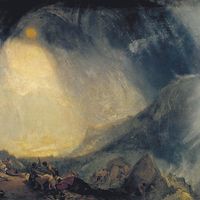
History records the Battle of Cannae as perhaps Rome's most devastating military defeat, orchestrated by the tactical genius of Hannibal of Carthage. In the aftermath of this crushing victory, the...
John 19:38-42, 2 Corinthians 5:17, Romans 6:4, Acts 2:24, Colossians 2:12, Isaiah 53:9, Luke 24:6-7
They took the body down from the cross and one of the few rich men among the first Christians obtained permission to bury it in a rock tomb in his garden the Romans setting a military guard lest there...
The early church was strikingly different from the culture around it in this way - the pagan society was stingy with its money and promiscuous with its body. A pagan gave nobody their money and practi...
Acts 2:42-47, 1 Corinthians 1:9, 1 Timothy 3:1-13, 1 John 1:3, Acts 17:16-34, Romans 12:4-8, 1 Corinthians 1:18-25, John 14:6, Matthew 16:18
In the beginning the church was a fellowship of men and women centered on the living Christ. Then the church moved to Greece, where it became a philosophy. Then it moved to Rome, where it became an in...
The world that we enter in the book of Acts is the most modern in all the Bible by virtue of its urban identity. Most of the action occurs in the famous cities of the Greco-Roman world, not in the loc...
Genesis 12:1–3, Exodus 3:1–12, Isaiah 53:, Matthew 22:15–22 , John 4:1–42 , Acts 17:16–34
The world of Jesus was not the Old Testament Hebrew world. Like the United States now, Israel was multicultural, including a combination of Aramaic, Greek, and Roman influences. The people looked Jewi...
Roman imprisonments were brutal. There was no concern for prisoner comfort, no plan for meals or for medical care, and no concern for a just and speedy trial. Paul’s imprisonment in Caesarea went on f...
Romans 3:23-24, Acts 3:13-15, 1 Peter 2:22-23, Isaiah 53:7, John 18:38, Luke 23:13-15
One of the fascinating features of the Gospel writers’ accounts of the trial of Jesus is this blending of the legal and moral factors. They all indicate that in both Jewish and Roman courts a certain ...
So if we want to get the church right, we have to learn to see it as a salad in a bowl, made the Right Way of course. For a good salad is a fellowship of different tastes, all mixed together with the ...
Textual Overview We’ve reached the last Sunday of Easter, the last Sunday before Pentecost, and by this point in Acts we’ve come a long way from that resurrection morning. The good news about Jesus C...
Matthew 22:39, Philippians 2:3-4, 1 Corinthians 10:24, Romans 15:1-2, Galatians 6:10, Romans 12:10, Acts 20:35, Matthew 25:35-40, Isaiah 58:6-7, Proverbs 19:17, Luke 10:30-37, James 2:15-16, 1 John 3:17, Proverbs 31:8-9, Matthew 25:40, Acts 11:29-30, 2 Corinthians 8:13-15, Acts 2:44-45, Acts 4:32-35, 1 Corinthians 12:25-26
Pursuing the common good has been a strong marker of the Christian church from the very beginning. The early church had many habits that they became known for, of course—including meeting frequently, ...
Luke 12:33-34, Luke 18:28-30, Acts 2:44-45, Matthew 19:21, Mark 10:29-30, Luke 14:26
Family and property, then, were not for the ancient Jew simply what they are to the modern western world. Both carried religious and cultural significance far beyond personal, let alone “individual,” ...