Proverbs 16:18, Psalm 103:14-16, Luke 14:11, Micah 6:8, 1 Peter 5:5-6, James 4:6-10, Jeremiah 9:23-24
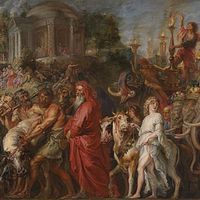
If you were to travel back in time to the city of Rome (either during the Republic or the Empire), you may have had the opportunity to witness the Triumph, a colossal spectacle in which the greatest m...
Acts 8:1-3, 2 Timothy 3:12, 1 Peter 4:12-16, Matthew 5:10-12, Luke 6:41-42, Genesis 3:8-19, Genesis 39:6-20, Job 2:11-13, Job 42:7-9
Most of us are aware of various persecutions that took place during the first few centuries of the church’s existence. One particularly brutal local persecution took place during the reign of Nero, wh...
Proverbs 28:20, Revelation 2:10, Matthew 5:10-12, Matthew 10:22, 2 Corinthians 4:8-10, 1 Peter 4:12-14, Romans 8:35-37, John 15:18-20, Psalm 31:23, Matthew 25:21, 1 Corinthians 4:2, 1 Timothy 6:12, Matthew 24:45-46
Pliny, a Roman Governor serving around 112 AD, faced a challenging situation regarding Christianity. Many Church historians believe that by his time, it had become illegal to profess the Christian fai...
Matthew 5:10-12, John 15:18-20, 2 Timothy 3:12, Acts 14:22, Romans 8:35-37, 1 Peter 4:12-14, 2 Corinthians 12:9-10, Acts 1:8, Romans 8:11, Isaiah 41:10
What is the witness of the church in times of persecution? The historical record demonstrates that persecutions of Christians were regular and prolific in the first centuries of the church, especially...
Galatians 6:10, Hebrews 11:13-16, 2 Corinthians 6:9-10, Matthew 5:44, 1 Peter 2:11-12, John 17:15-16
In an early Christian document known as the Epistle to Diognetus (c. A.D. 120-200), the author wrote a response to some propaganda circulating in the Roman Empire. People had spread false rumors about...
What do you say to someone who is suffering? And what do you say when it is not just that they are in pain, but that they are being harassed and singled out for violence or slander because of their fa...
What do you say to someone who is suffering? And what do you say when it is not just that they are in pain, but that they are being harassed and singled out for violence or slander because of their fa...
James 1:27, Hebrews 13:2-3, 1 Peter 2:12, Galatians 6:10, Romans 12:13, Acts 2:44-45
The fourth-century emperor Julian (AD 331-336) feared [Christians] might take over the empire. Referring to Christians as “Galileans” and Christianity as “atheism” (because of their denial of the exis...
IDENTITY AND SUFFERING The key to understanding today’s readings lies in the first half of 1 Peter. Two themes dominate Peter’s encouragement to these early Christians: identity and suffering. Knowi...
A Note of Understanding The Lectionary and the Liturgical Calendar Preaching from the lectionary isn’t always easy. When the assigned texts align with major moments in the liturgical calendar—Christ...
Colossians 3:12, Romans 12:3, 1 Peter 3:8, Proverbs 22:4, James 4:6, Philippians 2:5-8, Luke 18:14
In the Greco-Roman world of Paul’s day, humility was a despised trait. They viewed it as a sign of weakness. And our culture today is no different from that world of two thousand years ago. Maybe it’s...
Romans 3:23-24, Acts 3:13-15, 1 Peter 2:22-23, Isaiah 53:7, John 18:38, Luke 23:13-15
One of the fascinating features of the Gospel writers’ accounts of the trial of Jesus is this blending of the legal and moral factors. They all indicate that in both Jewish and Roman courts a certain ...
Revelation 2:10, Matthew 5:10-12, 2 Timothy 4:7-8, 1 Peter 4:12-13, James 1:12, Psalm 46:1-3
Like a scene straight out of Gladiator, Polycarp was dragged into the Roman Colosseum. Discipled by the apostle John himself, the aged bishop faithfully and selflessly led the church at Smyrna through...
Mark 6:1-13, Isaiah 11:2, 1 Peter 2:8, Mark 9:42-47, Mark 14:27-29, Mark 4:16-17, 1 Corinthians 1:23
Context As we read the opening chapters of Mark, it becomes clear that Mark is not primarily interested in telling us things about Jesus but showing Jesus to us. We see Jesus the healer, the exor...
Mark 6:1-13, Isaiah 11:2, 1 Peter 2:8, Mark 9:42-47, Mark 14:27-29, Mark 4:16-17, 1 Corinthians 1:23
Context As we read the opening chapters of Mark, it becomes clear that Mark is not primarily interested in telling us things about Jesus but showing Jesus to us. We see Jesus the healer, the exor...
Acts 2:1-4 , 1 Peter 1:1-2, 2 Peter 1:3, Colossians 3:12, Isaiah 41:9, 2 Thessalonians 2:13
Pastor: Now to God’s elect, exiles scattered throughout (insert your community) and the surrounding communities, who have been chosen according to the foreknowledge of God the Father, through the sa...
The cross is the center of the world's history; the incarnation of Christ and the crucifixion of our Lord are the pivot round which all the events of the ages revolve. The testimony of Christ was ...
Mark 2:23-28, Mark 3:1-6, Acts 12:12, Acts 12:25, Acts 15:37-39, Colossians 4:10, 2 Timothy 4:11, Philemon 1:24, 1 Peter 5:13, Mark 1:14-15, Mark 2:1-22, Exodus 20:8-11, Deuteronomy 5:12-15, Exodus 34:21, 1 Samuel 21:1-6, Luke 11:37-54, Mark 2:1-17, Genesis 1:26-31, Genesis 2:1-2, Genesis 3:null, John 19:30
Context Authorship of Mark Mark’s account of the story of Jesus is commonly held to be the earliest of the four canonical Gospels. Early church tradition identifies the author as Mark (or John Mark)...
Luke 6:17-26, Matthew 5:1-12, Luke 4:33, Luke 16:19-31, Psalm 9:10, Psalm 12:6, Isaiah 41:17, Zephaniah 3:12, Luke 4:18, James 4:8-10, Luke 5:11, 28, Luke 14:25-33, 1 Peter 4:14, Jeremiah 17:5-10, Jeremiah 6:13
The context The beatitudes are one of the most well-known aspects of Jesus teaching. As in the more familiar account in Matthew (5:1-12), Luke presents these words as Jesus’ first public teaching; hi...
Ephesians 6:10-20, John 8:44, 2 Corinthians 11:14, 1 Peter 5:8, Colossians 2:15, Ephesians 1:19-20, John 4:4, Matthew 16:18, Romans 16:20
Audience Paul’s letter to the Ephesians was probably intended for wider distribution and use among the various churches around Ephesus. As such, there is no particular crisis or pressing issue being ...
1 Peter 1:3, Luke 24:1-12, Mark 16:1-8, Matthew 28:1-10, John 11:25-26, John 20:1-18, 1 Corinthians 15:3-8
Christ is risen: The angels of God are rejoicing. Christ is risen: The tomb is empty and still. Christ has indeed arisen from the dead. Glory and power are Christ’s for ever and ever. Amen.
John 10:11-18, Matthew 18:12-13, 1 Peter 2:25, Ezekiel 34:11-12, John 10:3-4, Luke 15:4-6, Isaiah 40:11
During the riots in Palestine in the middle thirties a village near Haifa was condemned to collective punishment by having its sheep and cattle sequestrated by the Government. The inhabitants however ...
1 Peter 4:9, Matthew 25:34-46, Leviticus 19:34, Acts 28:2, Isaiah 58:7
A Catholic priest recently told a gathering of friends about a time when he arrived in Israel late on a Friday afternoon, just as everything was about to shut down for the Sabbath. Public transportati...
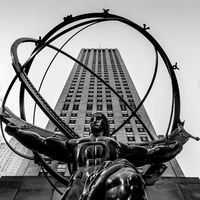
Bruce Larson had an unusual way of convincing people to turn their lives over to Jesus Christ. When he was working in New York City, he would walk a man or woman downtown to the front of the RCA buil...
Isaiah 60:1, Matthew 5:14-16, 1 Corinthians 12:12-14, Colossians 1:18, Ephesians 2:19-22, Galatians 6:2, 1 Peter 2:9
Leader: Arise! Shine! Christ’s Church has assembled. People: We are one body, with Christ as our head. Leader: What kind of body is this? People: The Body of Christ, brought together not by huma...
The cross, Martin Luther wrote, was the devil’s mousetrap. The devil smelled cheese, and wham, felt steel. Thus, we see a little baby lying defenseless in a crib at Bethlehem, and a tortured man hangi...