Proverbs 1:5, Jeremiah 9:23-24, Matthew 11:25, James 1:21, Colossians 2:3, Matthew 18:3
Becoming a teachable person has two prerequisites: There must be a teacher and a person willing to be taught. Increasingly, Western culture has become an environment that celebrates and platforms the ...
Proverbs 16:18, Psalm 103:14-16, Luke 14:11, Micah 6:8, 1 Peter 5:5-6, James 4:6-10, Jeremiah 9:23-24
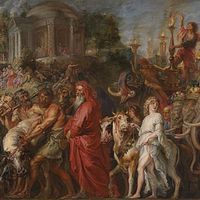
If you were to travel back in time to the city of Rome (either during the Republic or the Empire), you may have had the opportunity to witness the Triumph, a colossal spectacle in which the greatest m...
We have an outdoor church readerboard (yep, manual, press-in-the-grooves-black-plastic-letters) near a busy street that I enjoy changing every couple of weeks. The challenge of saying something meanin...
Proverbs 16:18, Proverbs 11:2, Proverbs 29:23, Proverbs 8:23, James 4:6, Proverbs 16:5, 1 John 2:16, Philippians 2:3, Jeremiah 9:23, Daniel 4:28-33
“Casey at the Bat” has got to be the most well-known sports poem in American history. The “Mudville nine” are down four to two, with one inning left with two outs. Two men wait at second and third bas...
Ecclesiastes 1:12-18 , 1 Samuel 8:4-22 , Jeremiah 9:23-24, Mark 8:36-37 , John 17:3, Psalm 73:25-26
Mark Twain’s travels through Europe became something of a triumphal tour, with the most distinguished figures on the continent eager to host him. He dined with royalty, intellectuals, and statesmen, h...
Matthew 6:33, Colossians 3:23, Psalm 39:6, Luke 12:15, Acts 15:29, Matthew 5:14-16, Ephesians 2:10, 1 Corinthians 10:31, Jeremiah 9:23-24, Matthew 16:24, Luke 9:62, 2 Corinthians 4:8-9, James 1:12, Romans 8:16-17, Galatians 2:20
The true story of Eric Liddell and Harold Abrahams, two British sprinters who qualified for the 1924 Olympic Games, illustrates two contrasting approaches to life and identity. Abrahams was driven by ...
Matthew 23:12, Proverbs 16:18, Galatians 1:10, Jeremiah 9:23-24, Philippians 2:3-4, James 4:6, John 12:43
If we lack money and power, we can still feel successful if we have the respect of our peers. As a young minister without wealth or power, I loved being called “Reverend.” It was an ego trip for me wh...
For decades I’ve tried to meet people where they hurt. I’ve preached and desired to see “justice for all,” and I still fervently believe in it. God loves justice and wants His people to seek justice (...
James 4:6, Mark 8:36, 1 John 2:17, 1 Corinthians 4:7, Jeremiah 9:23-24, Revelation 3:17
Who, then, are we, we prideful late-twentieth-century creatures? Lord knows, we no longer think of ourselves as belonging to anyone or anything. We do not belong – we own; we possess. And that, to say...
Paul give us an excellent example of what looking at people from a worldly point of view looks like in Philippians chapter 3: If someone else thinks they have reasons to put confidence in the flesh, ...
James 4:1-10, Jeremiah 9:23-24, Mark 7:20-23, Proverbs 15:25-33, Proverbs 16:18, 1 Samuel 18:null, Luke 18:9-11
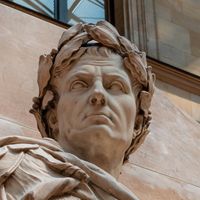
When Julius Caesar returned to Rome after many years of fighting its battles abroad, he planned great festivities and triumphal processions to celebrate his victories over Gaul, Egypt, Pontos, and Afr...