Matthew 28:18-20, Acts 1:8, Acts 10:34-35, Galatians 3:28, Romans 1:16, John 4:21-24, Psalm 22:27-28
[Speaking of the early church] A cosmopolitan spirit grew, particularly in the cities, that transcended national barriers. Old tribal distinctions and identities were breaking down, leaving people rip...
One key difference between much of the early church vs. the church of today (at least in the West) was the belief in, and regular experience of, miracles. As Joel Green, the noted professor and writer...
Matthew 7:21, Matthew 11:28-30, Romans 10:9, Philippians 2:10-11, Acts 4:12, John 14:6
In the days of the early church, believers affirmed their faith by saying, “Jesus is Lord.” We give lip-service to that same affirmation, but find it difficult to surrender control of our lives. Inste...
Acts 2:42-47, 1 Corinthians 1:9, 1 Timothy 3:1-13, 1 John 1:3, Acts 17:16-34, Romans 12:4-8, 1 Corinthians 1:18-25, John 14:6, Matthew 16:18
In the beginning the church was a fellowship of men and women centered on the living Christ. Then the church moved to Greece, where it became a philosophy. Then it moved to Rome, where it became an in...
Colossians 3:5, 2 Corinthians 10:4-5, 1 John 2:16, James 1:14-15, Romans 8:1-2, Galatians 5:16-17
The early church fathers named the primary sin patterns “passions,” borrowing a Latin term that could also be translated “sufferings ” As we live out a unique pattern or “face” of sin, we begin to thi...
Matthew 28:5-7, John 20:19-20, Acts 2:24, Romans 6:4, Revelation 1:18, Psalm 16:10
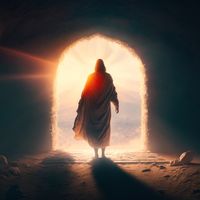
There is no form of early Christianity known to us- though there are some that have been invented by ingenious scholars- that does not affirm at its heart that after Jesus’ shameful death God raised h...
Ephesians 1:9-10, Romans 13:11-12, Matthew 13:39-43, Revelation 22:6-7, Luke 21:24-28, 1 Corinthians 10:11, Psalm 98:7-9
Early Christian writing has the ends of the world upon it, hence its emphasis on fulfillment, fullness of time: the shape of the world-plot can now be seen.
Matthew 5:10-12, Matthew 10:28-29, John 15:18-21, Revelation 20:4, Romans 8:35, Revelation 6:9-11, 1 Peter 4:16, Matthew 24:9, Luke 19:16-17, John 16:2-4, Hebrews 11:35-39
The blood of the martyrs is the seed of the church.
Matthew 22:39, Philippians 2:3-4, 1 Corinthians 10:24, Romans 15:1-2, Galatians 6:10, Romans 12:10, Acts 20:35, Matthew 25:35-40, Isaiah 58:6-7, Proverbs 19:17, Luke 10:30-37, James 2:15-16, 1 John 3:17, Proverbs 31:8-9, Matthew 25:40, Acts 11:29-30, 2 Corinthians 8:13-15, Acts 2:44-45, Acts 4:32-35, 1 Corinthians 12:25-26
Pursuing the common good has been a strong marker of the Christian church from the very beginning. The early church had many habits that they became known for, of course—including meeting frequently, ...
Matthew 5:10-12, John 15:18-20, 2 Timothy 3:12, Acts 14:22, Romans 8:35-37, 1 Peter 4:12-14, 2 Corinthians 12:9-10, Acts 1:8, Romans 8:11, Isaiah 41:10
What is the witness of the church in times of persecution? The historical record demonstrates that persecutions of Christians were regular and prolific in the first centuries of the church, especially...
The world that we enter in the book of Acts is the most modern in all the Bible by virtue of its urban identity. Most of the action occurs in the famous cities of the Greco-Roman world, not in the loc...
If the Holy Spirit was withdrawn from the church today, 95 percent of what we do would go on and no one would know the difference. If the Holy Spirit had been withdrawn from the New Testament church, ...
Matthew 16:25, Romans 8:17-18, Philippians 1:21, 2 Corinthians 4:17, Psalm 116:115, Daniel 3:, Daniel 6:
How many modern Christians consider dying to be the worst thing that can happen to them? We pray for safety, healing, and protection, and rightly so. However, do we live in the truth that death has tr...
It was this…intention that made the primitive Christians such eminent instances of piety, that made the goodly fellowship of the Saints and all the glorious army of martyrs and confessors. And if you ...
Proverbs 28:20, Revelation 2:10, Matthew 5:10-12, Matthew 10:22, 2 Corinthians 4:8-10, 1 Peter 4:12-14, Romans 8:35-37, John 15:18-20, Psalm 31:23, Matthew 25:21, 1 Corinthians 4:2, 1 Timothy 6:12, Matthew 24:45-46
Pliny, a Roman Governor serving around 112 AD, faced a challenging situation regarding Christianity. Many Church historians believe that by his time, it had become illegal to profess the Christian fai...
John 4:23-24, Matthew 25:35-40, Romans 12:1-2, Psalm 96:7-9, Matthew 6:9-13, Hebrews 10:19-20
Ancient worship . . . does truth. All one has to do is to study the ancient liturgies to see that liturgies clearly do truth by their order and in their substance. This is why so many young people tod...
Romans 12:1, Matthew 22:37-38, James 2:14-17, John 14:15, Luke 9:23, Philippians 2:5-8, Romans 10:9-10, Psalm 1:1-6
New Testament theology is ‘inherently self-involving as it summons the reader to believe, confess, obey, and understand the entirety of one’s existence—both her or his thinking and willing—in light of...
Revelation 2:10, Psalm 71:20-21, Philippians 3:10-14, Luke 21:16-19, 2 Corinthians 4:17-18, Romans 8:17-18, James 1:12
One of the great leaders of the first generation after the apostles was a man named Polycarp. Polycarp, it is believed, was discipled by the apostle John and carried out a long and fruitful ministry i...
James 1:27, Isaiah 1:17, Psalm 68:5, Matthew 25:34-40, 1 Timothy 5:3-4, Zechariah 7:9-10, Matthew 12:48-50, Romans 8:14-17, Luke 4:18, Acts 4:34-35, James 2:15-16
Christianity revitalized life in Greco-Roman cities by providing new norms and new kinds of social relationships able to cope with many urgent urban problems. To cities filled with the homeless and im...
Setting the Context: After the introductory tag from 2:14a this week’s text begins with “therefore” in 2:36 (Greek oun , which is the second word in verse 36 in the Greek text), making it especially...
After the fall of our first parents, boundaries were something to push past, to transgress. It’s worth pausing to note how we use the word transgression for “sin.” With its Latin roots, “across” and ...
Preaching Commentary Setting the Context: After the introductory tag from 2:14a this week’s text begins with “therefore” in 2:36 (Greek oun , which is the second word in verse 36 in the Greek text...
Ancient lens What's the historical context? Ancient Boundaries The world of Jesus and of the early church saw a Jewish people that had well-established boundary practices. These were behavior...
Context Layers The responsible interpretation of any biblical text requires one to consider multiple levels of context, but these contextual strata are especially important to define and explore in ...
Context Layers The responsible interpretation of any biblical text requires one to consider multiple levels of context, but these contextual strata are especially important to define and explore in ...
After the fall of our first parents, boundaries were something to push past, to transgress. It’s worth pausing to note how we use the word transgression for “sin.” With its Latin roots, “across” and ...
Lent 2024: Do This in Remembrance Remembrance and Gratitude AIM commentary Ancient lens What's the historical context? Ancient Boundaries The world of Jesus and of the early church sa...
Acts 7:55-60, Luke 9:22, Luke 12:8, Acts 2:34, Mark 1:14-15, Luke 23:34, Acts 8:1, Acts 9:1, Mark 9:40, Romans 5:6-11
Preaching Angle: Jesus’ Crucifixion, Stephen’s Martyrdom When Stephen saw “the Son of Man standing at the right hand of God,” the surrounding crowd of God’s people should have begged him to explain ...
Acts 7:55-60, Luke 9:22, Luke 12:8, Acts 2:34, Mark 1:14-15, Luke 23:34, Acts 8:1, Acts 9:1, Mark 9:40, Romans 5:6-11
Preaching Commentary Preaching Angle: Jesus’ Crucifixion, Stephen’s Martyrdom When Stephen saw “the Son of Man standing at the right hand of God,” the surrounding crowd of God’s people should have...

![[Speaking of the early church] A](https://a-us.storyblok.com/f/1016915/1200x801/ed572a4861/the-early-church.jpg/m/200x200/smart)